A commercial roof rarely fails all at once. More often, a clogged drain, split seam, loose flashing, or small puncture lets water move beneath the surface until the damage reaches insulation, decking, ceilings, and occupied space. That is why property owners should schedule commercial roof inspection before a leak interrupts tenants, employees, customers, or daily operations.
For buildings across the Chicago suburbs, proactive inspections are especially valuable. Heavy snow, freeze-thaw cycles, summer heat, wind-driven rain, and hail can all place stress on low-slope and steep-slope roofing systems. A professional inspection gives you a clear picture of your roof's condition, the urgency of any repairs, and the practical steps needed to protect the property.
When to Schedule a Commercial Roof Inspection
Most commercial properties benefit from a professional roof inspection twice per year: once in the spring and once in the fall. Spring inspections identify damage left behind by ice, snow loads, and freeze-thaw movement. Fall inspections help prepare drainage systems, flashings, and roof surfaces for another Illinois winter.
That schedule is a strong baseline, but the right frequency depends on the building, roofing material, roof age, and exposure. A newer roof with a documented maintenance history may need routine seasonal evaluations. An aging roof, a building with frequent foot traffic, or a property surrounded by mature trees may need closer attention.
You should also arrange an inspection after a major weather event. Hail can bruise or fracture materials without creating an immediate leak. Strong winds can lift edges, loosen metal components, or open seams around penetrations. Waiting for visible interior water damage can make a manageable repair much more expensive.
An inspection is also wise before signing a new lease, purchasing a commercial building, beginning a rooftop equipment project, or making a warranty claim. In each situation, written findings help owners make informed decisions and document the roof's condition.
Signs You Should Not Wait for a Routine Visit
Some roof problems require prompt attention, even if your next seasonal inspection is only a few weeks away. Water stains on ceiling tiles, peeling paint, damp insulation, or a musty odor can point to moisture entering the building envelope. On the roof, standing water that remains long after rainfall, open seams, cracked coatings, deteriorated sealant, and damaged flashing all deserve a professional assessment.
Property managers should also pay attention to operational clues. A sudden rise in humidity, recurring leaks in the same area, or a request from an HVAC contractor about unsafe roof conditions can signal a developing issue. Rooftop units, vents, skylights, drains, and pipe penetrations are common leak locations because they interrupt the roof surface and require precise flashing.
Do not rely on an interior walkthrough alone. By the time water appears inside, it may have traveled several feet from the original entry point. A qualified commercial roofing professional can trace likely pathways and evaluate the roof assembly rather than treating only the symptom.
What a Professional Commercial Roof Inspection Includes
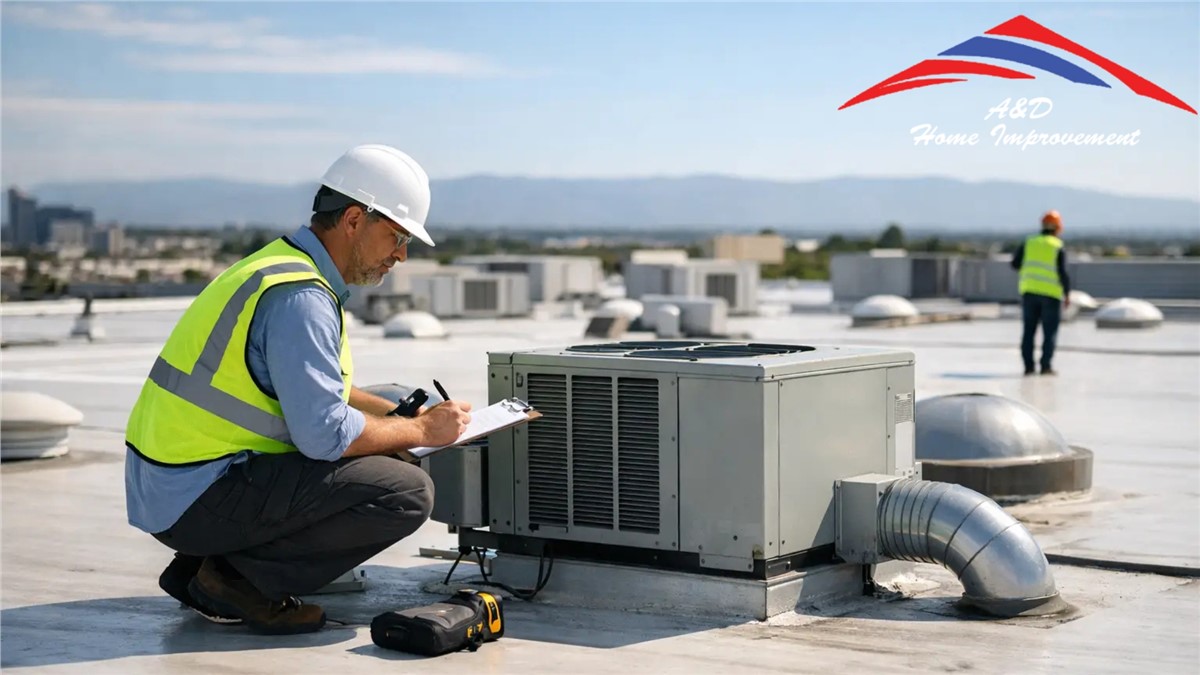
A meaningful inspection is more than a quick look from a ladder. The roof should be evaluated systematically, with attention to the membrane or shingles, perimeter edges, transitions, drainage, penetrations, and visible structural concerns.
For low-slope roofs, this often includes checking membrane seams, field surfaces, blisters, punctures, ponding water, edge metal, coping, parapet walls, and rooftop equipment curbs. For sloped commercial roofs, the inspection may focus on shingle or metal condition, valleys, ridges, underlayment exposure, flashing, gutters, and ventilation components.
Drainage deserves special attention in the Chicago area. Leaves, debris, ice, and poorly functioning drains can trap water on a roof and accelerate deterioration. Even a roof designed with a slight slope can develop ponding if drains are obstructed or if the roof surface has settled over time.
A thorough report should explain what was found in plain language. It should distinguish between conditions that need immediate repair, items to monitor, and preventive maintenance recommendations. Photos and clear documentation are useful for budgeting, communicating with owners or boards, and supporting storm-related insurance claims when appropriate.
Why Seasonal Inspections Protect Your Budget
The biggest value of an inspection is not simply finding defects. It is finding them while repair options are still available. Replacing a small section of damaged membrane or resealing a flashing detail is often far less disruptive than addressing wet insulation, deteriorated decking, interior finishes, and potential mold concerns.
Routine inspections also support more accurate capital planning. Commercial roof replacement is a significant investment, and owners should not have to make that decision based on guesswork or one emergency leak. Condition reports help establish whether the roof can be repaired, restored, maintained, or should be considered for replacement in the near future.
There is a trade-off to consider. Not every aged roof needs immediate replacement, and repeated repairs are not always wasteful if the roof still has useful life remaining. However, frequent repairs in multiple areas, widespread moisture intrusion, or an expired system warranty may make replacement the more responsible long-term choice. A professional assessment helps compare those costs honestly.
Preparing Your Property for an Inspection
The process is typically straightforward, but a little preparation helps the visit go smoothly. Provide safe roof access and let the inspector know about any site rules, tenant schedules, restricted areas, or active rooftop equipment. If you have past repair records, warranty documents, leak photos, or storm dates, have them available.
It also helps to describe patterns rather than isolated symptoms. Note where leaks occur, whether they follow heavy rain or wind, and whether they return after repairs. That context can help identify drainage, flashing, or material issues that might not be obvious during dry weather.
For multi-tenant properties, coordinate access early if the inspection may involve looking at interior ceilings below reported leak areas. A well-organized evaluation minimizes disruptions while giving the contractor enough information to recommend the right next step.
Choosing the Right Commercial Roofing Partner
Commercial roofing inspections require experience with the system on your building, not just a general construction background. Look for a contractor that can explain the roof's condition clearly, follows established safety practices, and provides a detailed scope when repairs or replacement are recommended.
Credentials, manufacturer relationships, workmanship warranties, and local project experience all matter. So does transparency. A dependable contractor should be willing to explain why a repair is recommended, what could happen if it is delayed, and whether a lower-cost maintenance option is realistic.
For commercial property owners in the Chicago suburbs, A&D Home Improvement brings a full-service exterior perspective to roof evaluations, repairs, and replacement planning. The goal is not to create unnecessary work. It is to help protect the building with weather-ready materials, certified installation standards, and a practical plan that fits the property's needs and budget.
Make Inspection Part of Your Property Plan
Commercial roof care works best when it is planned, documented, and acted on before minor concerns become business interruptions. Put spring and fall inspections on the property calendar, arrange a visit after major storms, and keep records of findings and repairs from year to year.
A roof inspection is a small commitment compared with the cost of an unexpected leak over inventory, equipment, offices, or tenant space. Scheduling it now gives you time to make decisions on your terms, with a clearer understanding of what your building needs before the next season puts it to the test.
Subscribe to A&D Home Improvement's Blog