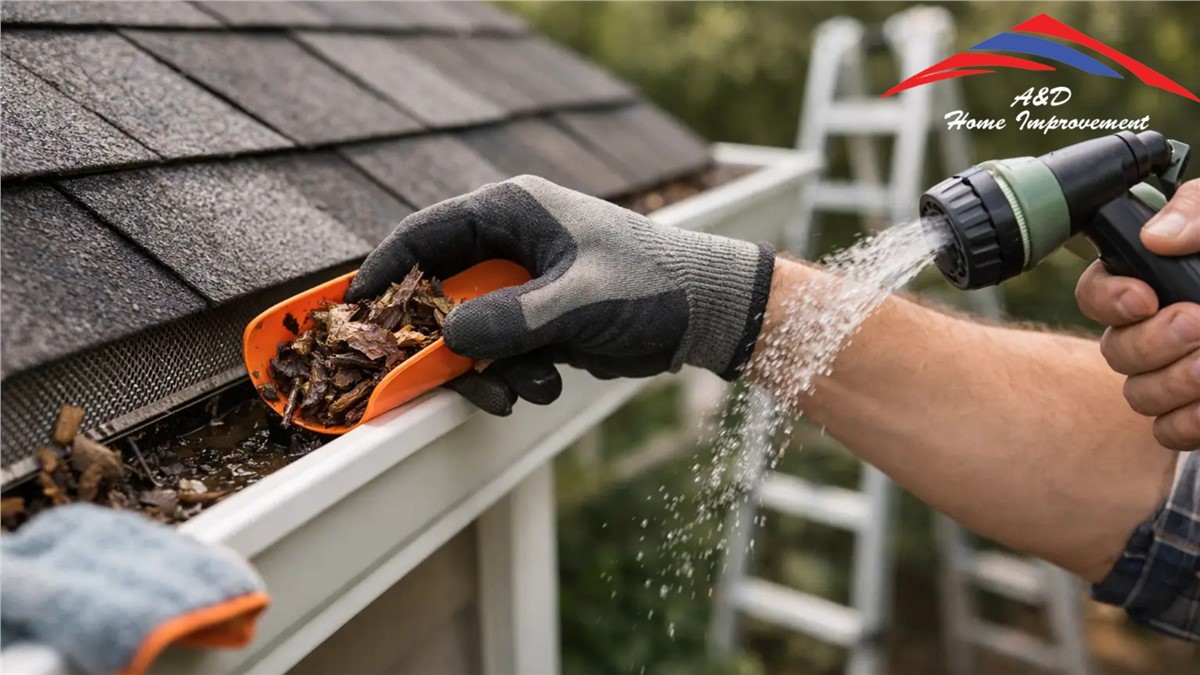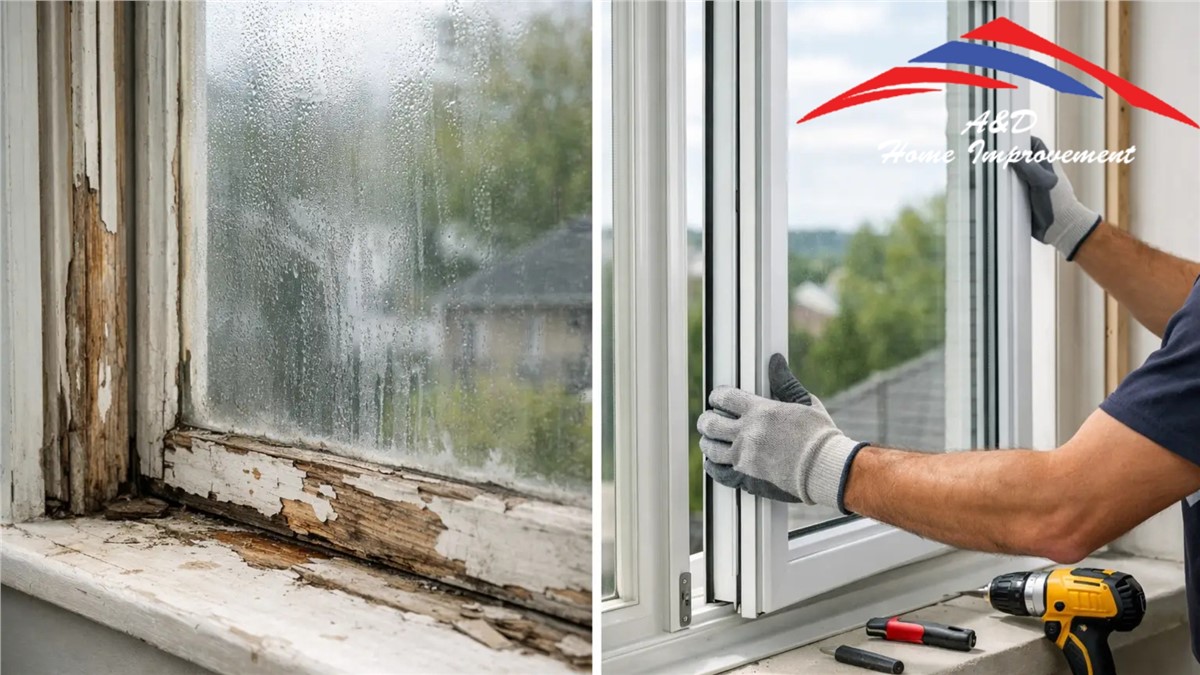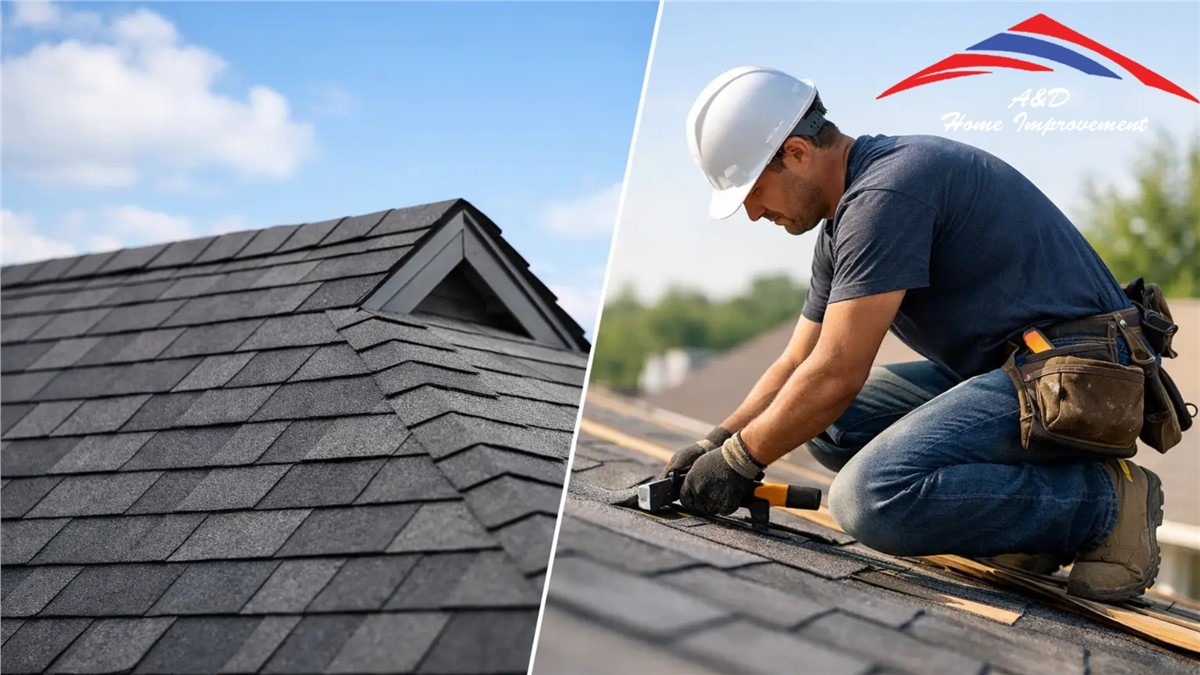
A roof leak after a hard Chicago-area storm, drafty windows during a January cold snap, or failing gutters near the foundation can make waiting feel like the expensive choice. The right financing options for home exterior projects can help you address the problem now while choosing payment terms that fit your household budget and long-term plans.
Exterior remodeling is not a one-size-fits-all purchase. A planned siding replacement has different financing needs than an emergency roof replacement after hail damage. Before selecting a payment method, homeowners should understand the full project scope, their available equity and savings, and which option offers the best balance of monthly affordability and total cost.
Start With the Project, Not the Payment
A low monthly payment can be appealing, but it should not be the only factor guiding your decision. First, determine what the exterior needs to perform properly in Illinois weather. Replacing a roof, for example, may also reveal the need for new flashing, ventilation improvements, or damaged decking repair. A complete estimate helps prevent a financing plan from falling short once work begins.
Ask for a written proposal that separates the major components of the job, including materials, labor, permits when applicable, cleanup, and warranty coverage. This gives you a clear number to finance and makes it easier to compare payment options honestly.
Consider the useful life of the improvement as well. Financing a premium roof, energy-efficient windows, or fiber cement siding can make sense when the product is designed to protect the property for decades. A short-term payment plan for a long-term upgrade may be practical. Taking on a long repayment period for a minor repair may be less appealing, especially if you have accessible savings.
Common Financing Options for Home Exterior Projects
The best option depends on your credit profile, existing home equity, timeline, and whether the work is planned or urgent. Most homeowners compare four primary paths.
Cash or Savings
Paying from savings avoids interest charges, lender fees, and monthly obligations. It can be a strong choice for homeowners with a dedicated home improvement fund who can pay without draining their emergency reserve.
The trade-off is liquidity. Illinois storms, vehicle repairs, medical bills, and other surprises do not wait for a convenient time. If paying cash would leave your finances too tight, financing part of the project can preserve flexibility while still keeping the borrowed amount lower.
Contractor Financing
Many established exterior remodeling companies offer financing through lending partners. These programs are designed for home improvement work and may offer fixed monthly payments, longer repayment terms, or promotional rates for qualified borrowers.
Contractor financing can be especially helpful when a roof, siding system, windows, or gutters need prompt attention. The application process is often more straightforward than arranging a separate bank loan, and it allows homeowners to keep project planning, installation, and payment coordination in one place.
Read the financing terms carefully before signing. Confirm the annual percentage rate, term length, payment amount, origination fees if any, and whether a promotional rate ends after a certain period. A deferred-interest offer deserves special attention. If the full balance is not paid by the promotional deadline, interest may be charged retroactively under some plans.
Home Equity Loan or HELOC
A home equity loan provides a lump sum with fixed payments, while a home equity line of credit, or HELOC, allows homeowners to borrow against available equity as needed. These options may offer lower rates than unsecured financing because the home secures the loan.
They can work well for larger, planned exterior renovations, particularly when several improvements are being completed together. A homeowner replacing an aging roof, upgrading siding, and installing gutters may prefer the structure and borrowing capacity of a home equity product.
However, approval can take longer, closing costs may apply, and the home is collateral. This is not always the right route for a time-sensitive repair. Homeowners should also consider whether variable HELOC rates could raise future payments.
Personal Loans and Credit Cards
Unsecured personal loans offer fixed terms without placing a lien on the property. They can be useful for moderate-sized projects when home equity is limited or when a homeowner wants a clear payoff schedule. Rates vary widely based on creditworthiness, so compare the full cost rather than focusing only on the monthly payment.
Credit cards may make sense for a small repair or a portion of a project that can be repaid quickly. They are usually not the best long-term solution for a full roof replacement or major exterior renovation because standard card interest rates can be high. A temporary promotional rate only helps if you have a realistic plan to pay the balance before it expires.
When Storm Damage Changes the Equation
Hail and wind damage create a separate financial path. If a covered storm damages your roof, siding, gutters, or windows, homeowners insurance may help pay for eligible repairs or replacement, subject to your policy, deductible, and insurer's claim determination.
Do not assume every visible mark is covered damage, and do not delay necessary mitigation while waiting for an answer. Document the condition of your property with photos, keep records of emergency repairs, and request a professional inspection from a qualified exterior contractor. A detailed assessment can identify storm-related concerns and help you understand the work required to restore the home properly.
Insurance proceeds may not cover every improvement a homeowner wants to make. You might choose to upgrade to a higher-performing shingle, add gutter guards, improve attic insulation, or replace undamaged sections for a more uniform appearance. Financing can cover the gap between the approved claim amount and the improvements you elect to include.
A&D Home Improvement helps homeowners evaluate storm-related exterior damage and coordinate repairs with clear documentation, certified installation practices, and durable materials suited to local weather conditions.
Compare the Total Cost, Not Just the Monthly Payment
Two payment plans can have the same monthly payment but very different total costs. A lower payment often means a longer term, which can mean more interest paid over time. Before choosing, review the amount financed, interest rate, term, total of payments, prepayment rules, and any fees.
It is also wise to consider the cost of postponing work. A roof leak can damage insulation, ceilings, framing, and personal belongings. Overflowing gutters can contribute to foundation moisture issues. Inefficient windows can increase heating and cooling costs while making rooms less comfortable. In those situations, the right financing arrangement may protect both your budget and your property from a larger problem.
Do not finance more than the project requires simply because the amount is available. A focused scope built around durable materials, proper installation, and meaningful warranty coverage often provides better long-term value than adding extras that do not solve a real property need.
Questions to Ask Before You Apply
Before committing to a payment plan, ask whether the interest rate is fixed or variable, how long the promotional terms last, and what happens if a payment is late. Confirm whether there is a prepayment penalty if you decide to pay the balance early. You should also ask whether financing approval affects the project schedule and whether a deposit is required.
For the remodeling company, ask about product warranties, workmanship coverage, installation credentials, and the process for change orders if hidden damage is discovered. Financing supports the project, but it does not replace the value of a qualified contractor. A lower bid can become costly if it leaves out essential details such as ventilation, flashing, water management, or proper manufacturer installation requirements.
Choose a Payment Plan That Supports the Right Work
The strongest financing choice is the one that lets you complete necessary exterior work without creating unnecessary pressure on your household finances. For an urgent repair, speed and predictable payments may matter most. For a large planned renovation, lower long-term borrowing costs and the right product warranty may carry more weight.
Take time to review the numbers, ask direct questions, and choose a contractor that treats your investment with the same care you do. A well-built exterior should provide confidence through every season, not become another source of uncertainty.
Subscribe to A&D Home Improvement's Blog