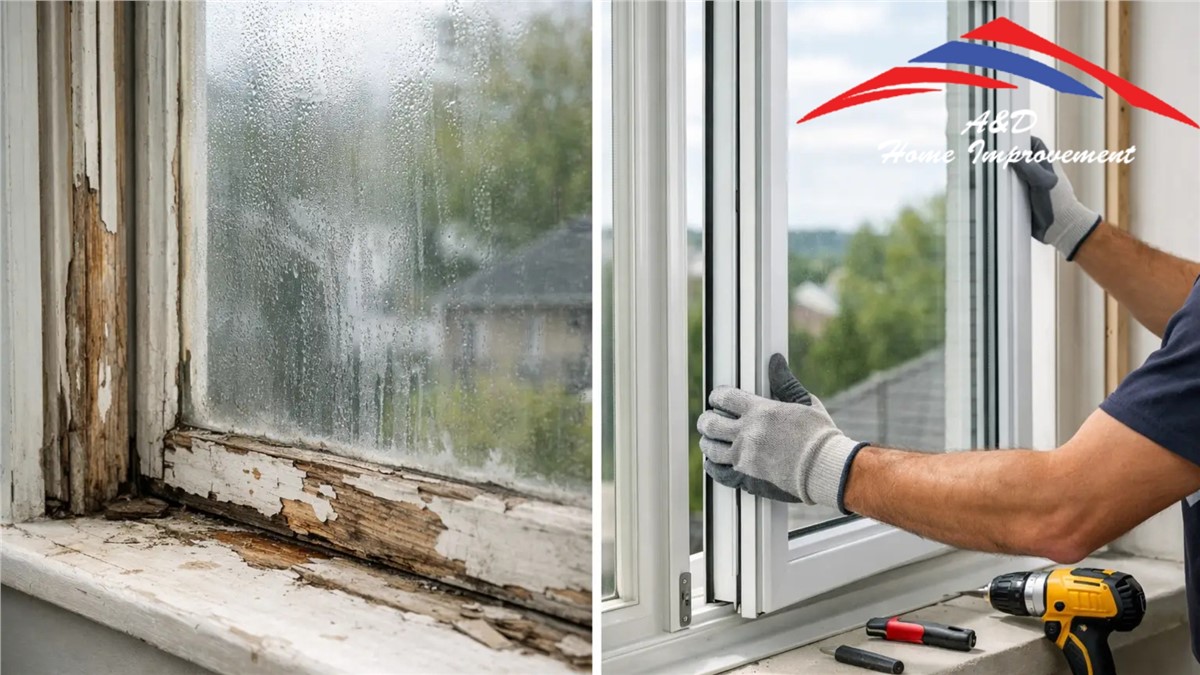
A cold draft near the living room window is easy to ignore for a season. So is a window that sticks on a humid July day or fogs up between the panes. But in the Chicago suburbs, small window problems can quickly become comfort, moisture, and energy-cost problems. Knowing when to replace old windows helps you plan ahead instead of waiting for a window failure during extreme weather.
Replacement is not always the answer. A minor hardware issue, worn weatherstripping, or a damaged screen may be repairable. However, when multiple windows are aging, inefficient, or showing signs of structural damage, replacement often provides better long-term value than repeated repairs.
1. You Feel Drafts or Notice Uneven Temperatures
If the area around your windows feels noticeably colder in winter or hotter in summer, conditioned air may be escaping. Drafts can come from failed seals, warped frames, gaps around the window, or old single-pane glass that offers very little insulation.
One draft does not automatically mean you need a full replacement. A qualified contractor can check whether the issue is caused by caulking, weatherstripping, or installation gaps. But if drafts are widespread throughout the home, especially in windows that are 15 to 20 years old, modern energy-efficient replacement windows can make a meaningful difference in year-round comfort.
This matters in Illinois, where homes must handle freezing temperatures, wind, humid summers, and fast weather changes. Better-performing windows help your HVAC system maintain a more consistent indoor temperature without working as hard.
2. Your Windows Are Difficult to Open, Close, or Lock
Windows should operate smoothly and lock securely. If yours require force to open, slam shut unexpectedly, or will not lock at all, the issue goes beyond convenience. A window that does not lock properly can affect home security and may allow air and water to enter around the frame.
Wood windows may swell, rot, or shift over time. Vinyl frames can warp under years of temperature changes, and old balances or hardware can fail. In some cases, replacing a part is practical. If the frame is deteriorated or several windows have the same issue, replacement is usually the more dependable solution.
For bedrooms, easy operation is also a safety consideration. Windows intended for emergency escape should open fully and reliably every time.
3. There Is Condensation Between the Glass Panes
Condensation on the room-side surface of a window can occur during cold weather, particularly when indoor humidity is high. That does not always mean the window is defective. Condensation between double- or triple-pane glass, however, is different.
Fogging, haze, or moisture trapped between panes usually means the insulated glass seal has failed. Once that seal breaks, the insulating gas that helps reduce heat transfer may escape, and the window loses much of its energy-saving performance. The glass may also remain cloudy even after cleaning.
A glass-only repair may be possible for certain window types. Still, if seal failure is appearing in several aging windows, it is often a clear signal that the window system has reached the point where replacement should be considered.
4. You See Rot, Cracks, or Water Damage Around the Frame
Visible damage is one of the strongest signs that it is time to act. Peeling paint, soft wood, cracks in the frame, staining around trim, and bubbling finishes can point to ongoing moisture exposure. Left unresolved, water intrusion can damage surrounding wall materials and create conditions for mold growth.
Do not assume every stain means the window itself is leaking. Water can enter from failing exterior caulk, damaged siding, roof issues, or improperly installed flashing. A thorough inspection should identify the source before any work begins.
When a window frame is rotted or structurally compromised, replacement is generally the safer choice. Installing a new window without addressing the surrounding water-management issue only risks repeating the problem.
5. Outside Noise Comes Through Too Easily
Older windows can make a home feel connected to every passing truck, lawn mower, train, or late-night conversation. Single-pane windows and poorly sealed frames provide limited sound control, particularly in busy suburban neighborhoods or near major roads.
Replacement windows with insulated glass, quality frame construction, and professional installation can help reduce outside noise. They will not make a home completely silent, and results depend on the walls, doors, and ventilation openings around the space. Still, better windows can create a quieter, more comfortable environment in bedrooms, home offices, and family rooms.
6. Your Energy Bills Keep Climbing Without Another Clear Cause
Utility costs change with energy rates, thermostat settings, insulation levels, and HVAC performance. That means a higher bill alone is not proof that windows are failing. Yet inefficient windows can be a major contributor when you also notice drafts, cold glass, fading furnishings, or rooms that never feel comfortable.
Older windows often have lower insulation values and more air leakage than current energy-efficient options. Modern replacement windows can be selected for the Chicago-area climate, with glass packages designed to improve insulation, manage solar heat gain, and reduce ultraviolet exposure that can fade flooring, furniture, and artwork.
The right product is not automatically the most expensive one. Window performance should match your home's design, the direction each wall faces, your comfort priorities, and your budget. A clear, itemized estimate makes it easier to compare options without paying for features that do not serve your goals.
7. Repairs Are Becoming a Regular Expense
A repair can be the smart decision when a window is relatively new and the issue is isolated. Replacing a broken lock, screen, crank, or piece of weatherstripping is usually far less expensive than replacing an entire unit.
The calculation changes when repairs keep coming back. If you are dealing with recurring leaks, rotten trim, failed glass seals, broken components, or chronic operation problems across multiple windows, repair costs can add up without solving the underlying age and performance issues.
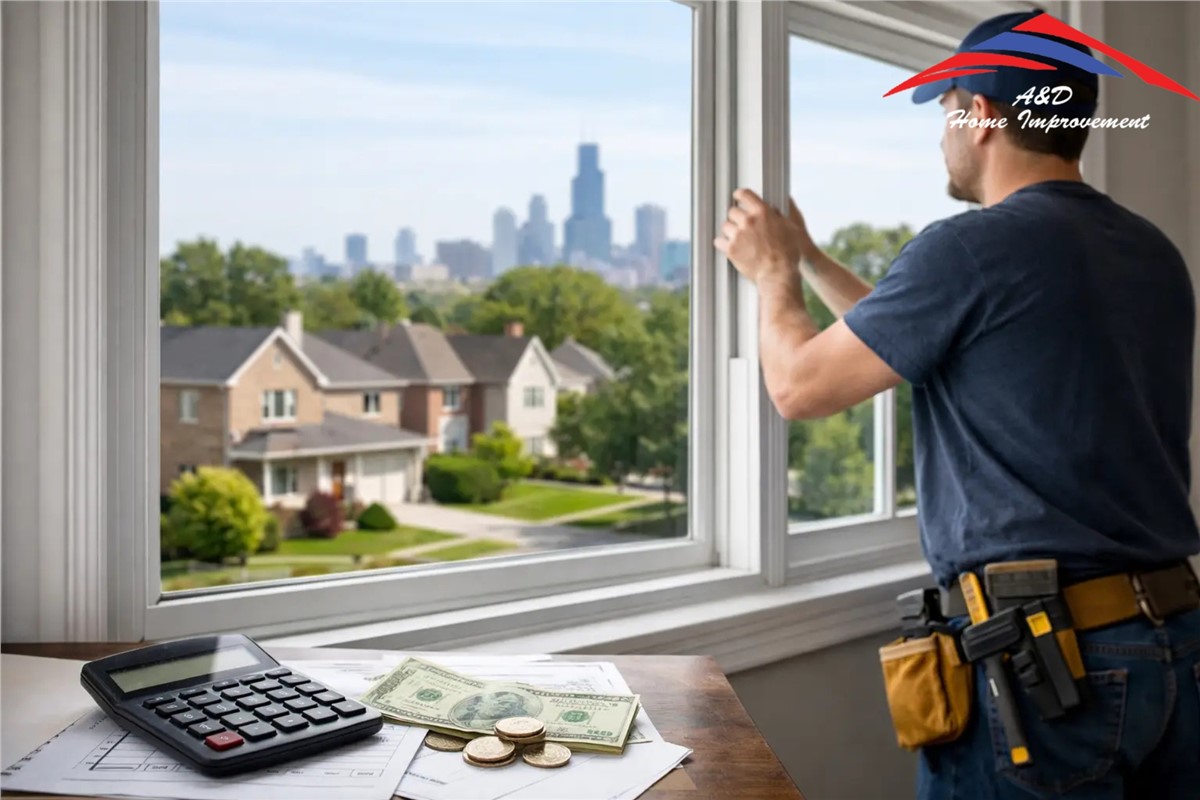
Consider the full picture: the likely life remaining in the window, the cost of repairs, the condition of the frame, expected energy performance, and whether replacement would improve curb appeal and resale confidence. For many homeowners, replacing windows in phases is a practical way to manage the investment while prioritizing the most damaged or inefficient areas first.
8. Your Windows Are Near the End of Their Expected Service Life
Age is not a replacement deadline. Well-maintained windows can last for decades, while poorly installed or heavily exposed windows may fail earlier. Material, product quality, maintenance history, and weather exposure all matter.
As a general rule, windows that are 15 to 25 years old deserve a closer look, especially if they are original to the home. Wood windows may require more ongoing maintenance, while vinyl, fiberglass, and composite options each have different performance characteristics and expected lifespans.
If your windows are older but still operate well, show no moisture damage, and keep rooms comfortable, there may be no immediate need to replace them. The goal is not to replace windows because of a number on a calendar. It is to make a sound decision based on performance, condition, and value.
How to Plan a Window Replacement Project
Start by walking through your home on a windy or cold day. Look for drafts, fogged glass, water stains, difficult operation, and visible frame damage. Make note of which rooms are least comfortable and whether the problems are isolated or widespread.
Next, schedule a professional evaluation that includes the windows, trim, exterior siding, and surrounding openings. Proper installation is as important as the window itself. Even a premium window can underperform if it is not correctly sized, sealed, flashed, and insulated.
Ask about product options, warranty coverage, installation standards, timing, and financing before you commit. For Chicago-area homeowners, it also makes sense to choose a contractor familiar with local weather demands and exterior systems that work together. A&D Home Improvement helps property owners evaluate window condition, select high-performance replacement options, and complete installations with long-term protection in mind.
A window replacement decision should leave you feeling more confident about your home, not pressured into a rushed purchase. If your windows are showing several of these signs, a professional assessment can give you clear answers and a practical path toward a quieter, more comfortable, and better-protected property.
Subscribe to A&D Home Improvement's Blog