A new roof can look perfect on installation day and still leave a property owner exposed if the warranty details are unclear. The difference between a roof warranty vs workmanship warranty determines who may be responsible if shingles fail, leaks appear, or an installation issue surfaces years after the project is complete.
For homeowners and commercial property owners in the Chicago suburbs, that distinction matters. Our roofs face heavy snow, wind-driven rain, hail, summer heat, ice dams, and freeze-thaw cycles. Quality materials and expert installation work together to protect the building, but they are covered by different types of promises.
What Is a Roof Warranty?
A roof warranty generally refers to a manufacturer warranty. It is the roofing product manufacturer’s commitment regarding defects in the materials they made, such as shingles, underlayment, ridge caps, or other qualifying system components.
If a shingle was manufactured improperly and fails under normal conditions, the manufacturer warranty may provide coverage. The exact remedy varies by product and warranty level. Some warranties may cover replacement materials only, while enhanced warranties may offer broader coverage for labor during certain periods. Coverage can also be prorated after the initial years, meaning its value decreases over time.
Not every roof warranty covers the complete roofing system automatically. Many manufacturers offer stronger coverage when the project uses specified components from their system and is installed by an authorized or certified contractor. This can include shingles, starter strips, underlayment, ventilation products, and ridge cap shingles designed to perform together.
A manufacturer warranty is valuable, but it does not guarantee that every future roof problem will be covered. It is designed primarily to address a defect in the product itself, not an error made during installation or damage caused by outside conditions.
What a Manufacturer Roof Warranty May Cover
Coverage depends on the manufacturer and product line, but it may apply when roofing materials have a verified manufacturing defect. Examples can include premature cracking, blistering, granule loss beyond normal aging, or a product failure that does not meet the manufacturer’s standards.
The claim process often requires documentation, photographs, proof of purchase, and an inspection. The manufacturer typically decides whether a product defect exists. This is why property owners should keep their signed contract, material information, paid invoice, warranty registration confirmation, and photos from the completed project.
What It Usually Does Not Cover
A roof warranty usually does not pay for damage caused by hail, wind, fallen branches, foot traffic, poor attic ventilation, structural movement, or a failure to maintain the roof. Those issues may fall under homeowners insurance, a commercial property policy, or the contractor’s workmanship warranty depending on the cause.
It also may not cover leaks caused by improper flashing, incorrect nail placement, inadequate ventilation design, or other installation-related problems. That is where workmanship coverage becomes essential.
What Is a Workmanship Warranty?
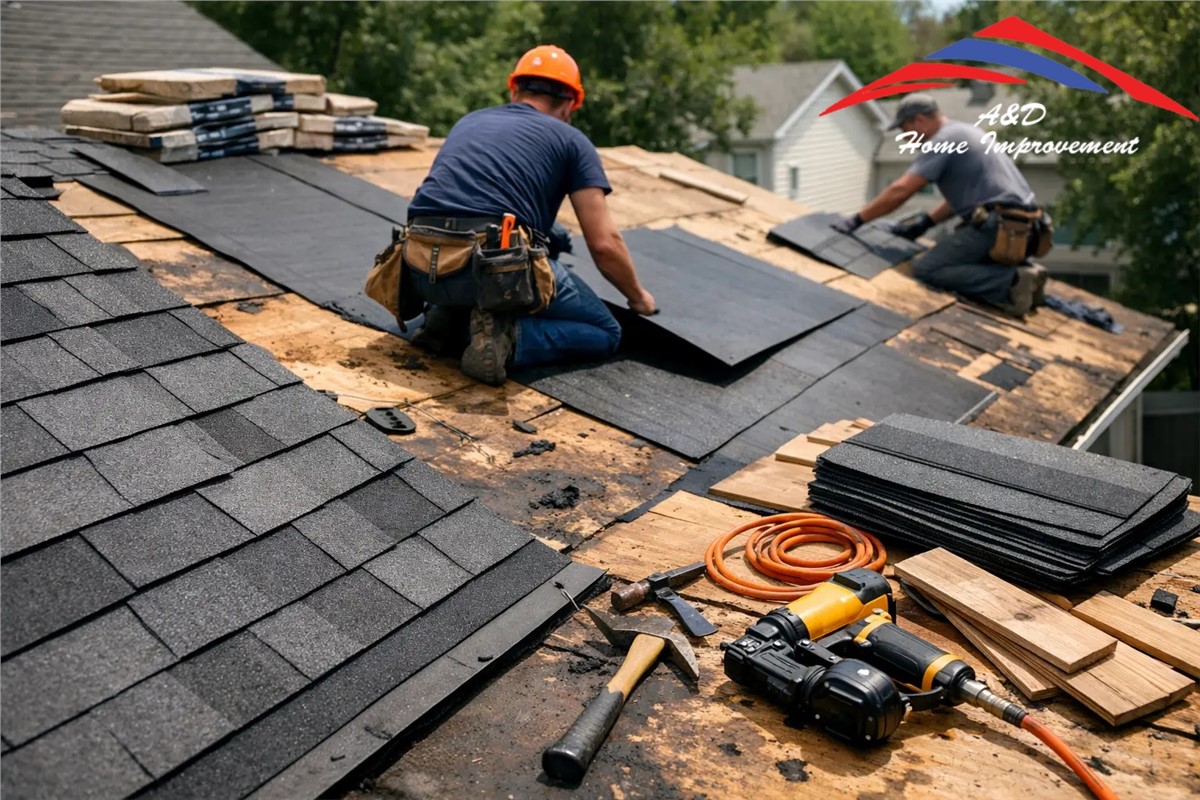
A workmanship warranty comes from the roofing contractor, not the manufacturer. It covers defects related to how the roof was installed. If a leak occurs because flashing was installed incorrectly, shingles were improperly fastened, penetrations were not properly sealed, or roof components were not integrated correctly, the contractor’s workmanship warranty should address that installation issue.
This warranty is a direct reflection of the contractor’s confidence in its crews, installation standards, and quality control process. A meaningful workmanship warranty should be written clearly and should explain its term, the type of corrective work covered, and the situations that can void coverage.
For example, a contractor may provide a workmanship warranty that covers repair of leaks resulting from installation errors. It may not cover a leak caused by storm damage two years later, damage from another trade working on the roof, or an aging chimney that requires masonry repair.
The length of a workmanship warranty can vary significantly. Some contractors offer limited coverage for a short period, while established contractors may stand behind their installation for much longer. The strongest option is not always simply the longest term. A warranty only has value if the contractor has the experience, documentation, insurance, local presence, and service commitment to honor it when needed.
Roof Warranty vs Workmanship Warranty: The Key Difference
The simplest way to separate the two is to ask what caused the problem.
If the roofing material itself is defective, the manufacturer roof warranty may apply. If the materials are sound but the roof was installed incorrectly, the workmanship warranty may apply. If a storm caused the damage, insurance may be the appropriate path. If poor ventilation contributed to early roof deterioration, responsibility may depend on who designed, installed, or altered the ventilation system.
Real roofing issues are not always that clean-cut. A shingle concern could be related to a manufacturing defect, improper installation, inadequate attic ventilation, or storm damage. An experienced contractor should inspect the full roofing system rather than assume the answer based on one visible symptom.
This is also why choosing a contractor based only on the lowest quote can create long-term risk. A low initial price may leave out critical system components, ventilation improvements, flashing details, cleanup standards, permit requirements, or dependable post-installation service. A roof is not just shingles. It is a coordinated system that must manage water, wind, temperature changes, and ventilation year after year.
Questions to Ask Before Signing a Roofing Contract
Before committing to a roof replacement, ask for warranty information in writing. The answers should be straightforward, not buried in vague sales language.
Ask which manufacturer warranty applies to the selected roofing system and whether registration is required. Confirm whether the coverage includes materials only or materials and labor. Find out whether the warranty is transferable if the property is sold, and ask what conditions may void it.
Then ask the contractor about workmanship coverage. How long does it last? Does it cover labor and materials needed to correct an installation defect? Who should you call if there is a problem? Is the warranty backed by a local company with a track record of serving the area?
It is also smart to ask whether the contractor follows manufacturer installation requirements and whether its certifications qualify the project for enhanced warranty options. Certified installation can matter because manufacturers often reserve their best protection for contractors that meet specific training, performance, and installation standards.
Common Warranty Gaps Property Owners Miss
The most common misunderstanding is assuming “lifetime warranty” means every roof issue is covered for life. In many cases, that phrase refers to a defined level of material coverage, often with conditions, exclusions, and changing coverage over time. Read the actual warranty document, not just the label used in a proposal.
Another gap is attic ventilation. Excess heat and moisture in the attic can shorten the life of roofing materials and contribute to condensation, mold concerns, ice dams, and uncomfortable rooms. If ventilation is inadequate, a manufacturer may deny coverage related to premature material failure. A proper roofing evaluation should include intake ventilation, exhaust ventilation, insulation conditions, and the roof’s overall airflow strategy.
Storm damage is another separate category. Manufacturer and workmanship warranties typically do not replace insurance coverage for hail or wind events. After a major storm, document visible damage quickly and work with a contractor experienced in storm restoration and insurance-supported repair. Avoid authorizing unnecessary work before the roof has been properly inspected.
Finally, understand that roof modifications can affect coverage. Satellite dish installations, solar work, skylight additions, HVAC work, and other penetrations should be completed carefully by qualified professionals. Any new opening in a roof creates a potential leak point if flashing and sealing are not handled correctly.
Choosing Protection That Holds Up in Illinois
The best warranty strategy is not choosing between material coverage and workmanship coverage. It is making sure both are in place and that the roofing system is designed for the property.
A&D Home Improvement helps Chicago-area property owners make those decisions with professional inspections, premium roofing systems, certified installation practices, and written warranty guidance. The goal is to ensure you understand what you are buying before work begins, including the materials, installation details, ventilation needs, and protection available after completion.
Before replacing a roof, take the time to compare the written warranties line by line. A clear answer today can prevent an expensive and frustrating disagreement when your property needs protection most.
Subscribe to A&D Home Improvement's Blog