A siding replacement in the Chicago suburbs has to do more than look sharp on installation day. It must handle summer humidity, wind-driven rain, freeze-thaw cycles, hail, and long stretches of winter without becoming a constant maintenance project. This James Hardie plank review looks at whether HardiePlank fiber cement siding delivers the protection and long-term value local homeowners expect.
The short answer is yes for many properties, provided it is installed correctly and the budget allows for a premium siding system. James Hardie Plank is not the least expensive option, and it is not maintenance-free. But its combination of durability, design flexibility, and weather resistance makes it a strong fit for homes where long-term exterior performance matters.
What James Hardie Plank Is Made For
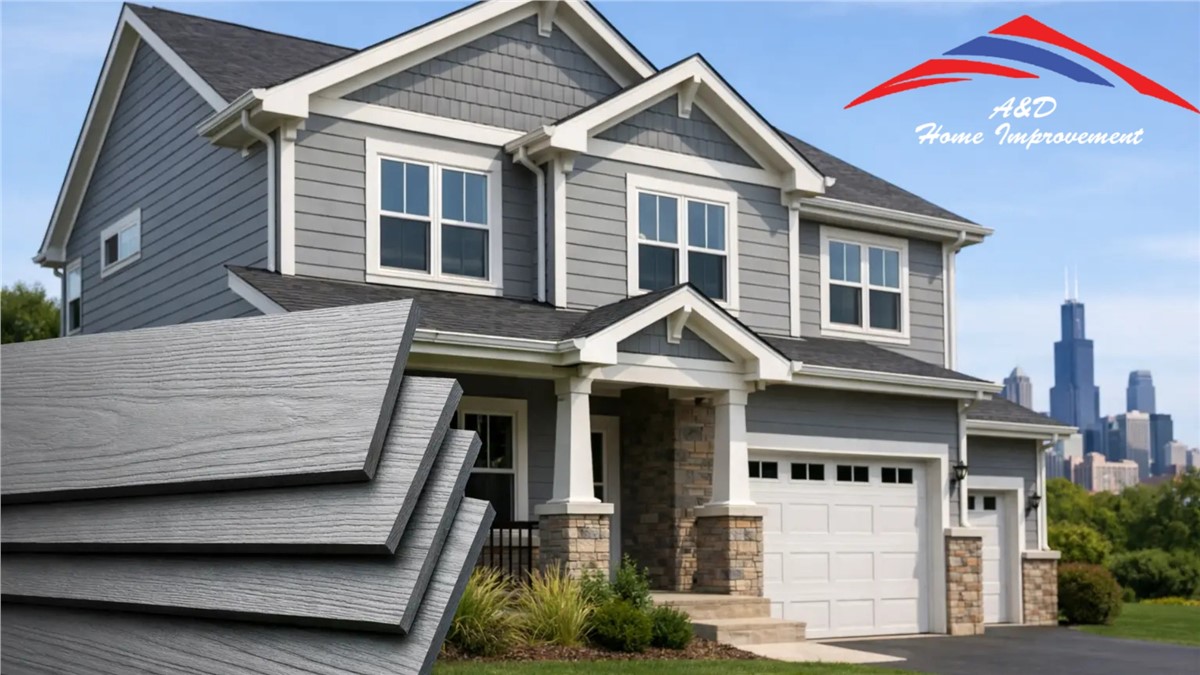
HardiePlank lap siding is a fiber cement product made primarily from cement, sand, cellulose fibers, and water. It is designed to recreate the clean, horizontal profile of traditional wood lap siding without wood's vulnerability to rot, termites, and frequent repainting.
For Chicago-area homes, the material's stability is a major advantage. Unlike vinyl, fiber cement does not become soft in high heat or expand and contract as dramatically with changing temperatures. Unlike natural wood, it does not absorb moisture in the same way or invite wood-boring insects. That makes it especially appealing for homeowners replacing faded, cracked, warped, or high-maintenance wood siding.
James Hardie also offers products engineered for regional climate conditions. The company identifies the Midwest as part of its HZ5 climate zone, with product and installation specifications intended for areas that experience freezing temperatures and seasonal moisture. That regional focus matters, but it does not replace skilled installation. A quality siding product can still underperform if flashing, clearances, fastening, and water management are handled poorly.
James Hardie Plank Review: The Biggest Benefits
The first benefit homeowners notice is curb appeal. HardiePlank has a substantial look that closely resembles painted wood siding from the street. It is available in several reveal sizes and can be paired with shake, board-and-batten, trim, and soffit products to create a complete exterior design. That flexibility works well on everything from classic suburban colonials to modern farmhouse renovations.
Color retention is another meaningful advantage. James Hardie's ColorPlus Technology applies factory-finished color in controlled conditions, producing a consistent finish that generally holds up better than a standard field paint job. Homeowners can choose prefinished boards for a faster, more uniform installation, or use primed boards when they need a custom paint color.
Fiber cement is also highly resistant to the issues that commonly shorten siding life. It will not rot, and pests do not treat it as a food source. It is noncombustible as a material, which can be a reassuring feature for homeowners concerned about fire exposure. Still, fire performance applies to the siding material itself, not necessarily the entire wall assembly, so property-specific requirements should always be reviewed.
Noise can be a smaller but welcome benefit. Fiber cement has more density than vinyl siding, which can help create a more solid exterior feel during strong winds or heavy storms. It is not soundproofing, but homeowners often appreciate the heavier, more substantial construction.
Where HardiePlank Has Trade-Offs
No honest James Hardie plank review should present fiber cement as the right choice for every project. The primary trade-off is price. Material and labor costs are typically higher than standard vinyl siding because fiber cement boards are heavier, require specialized cutting practices, and take more time to install properly. Complex homes with multiple stories, extensive trim, gables, or repairs behind the existing siding can add to the final investment.
It also requires more maintenance than vinyl. HardiePlank does not need the routine scraping and frequent repainting associated with many wood exteriors, but it should still be washed periodically to remove dirt and mildew. Caulked joints and painted finishes should be inspected over time, especially around windows, doors, rooflines, and other transitions where water can enter.
The finish will eventually need attention. ColorPlus siding can provide long-lasting color, but it is not permanent. Sun exposure, weather conditions, and the color selected all affect when touch-ups or repainting may be needed. Dark colors can show fading more readily than lighter options, particularly on elevations that receive intense afternoon sun.
Finally, repairs can be more involved than replacing a damaged piece of vinyl. Fiber cement boards are durable, but they are rigid and heavy. A professional can replace isolated damaged boards while preserving the surrounding system, yet a close color match may be difficult if the existing siding has weathered for years.
Installation Is the Deciding Factor
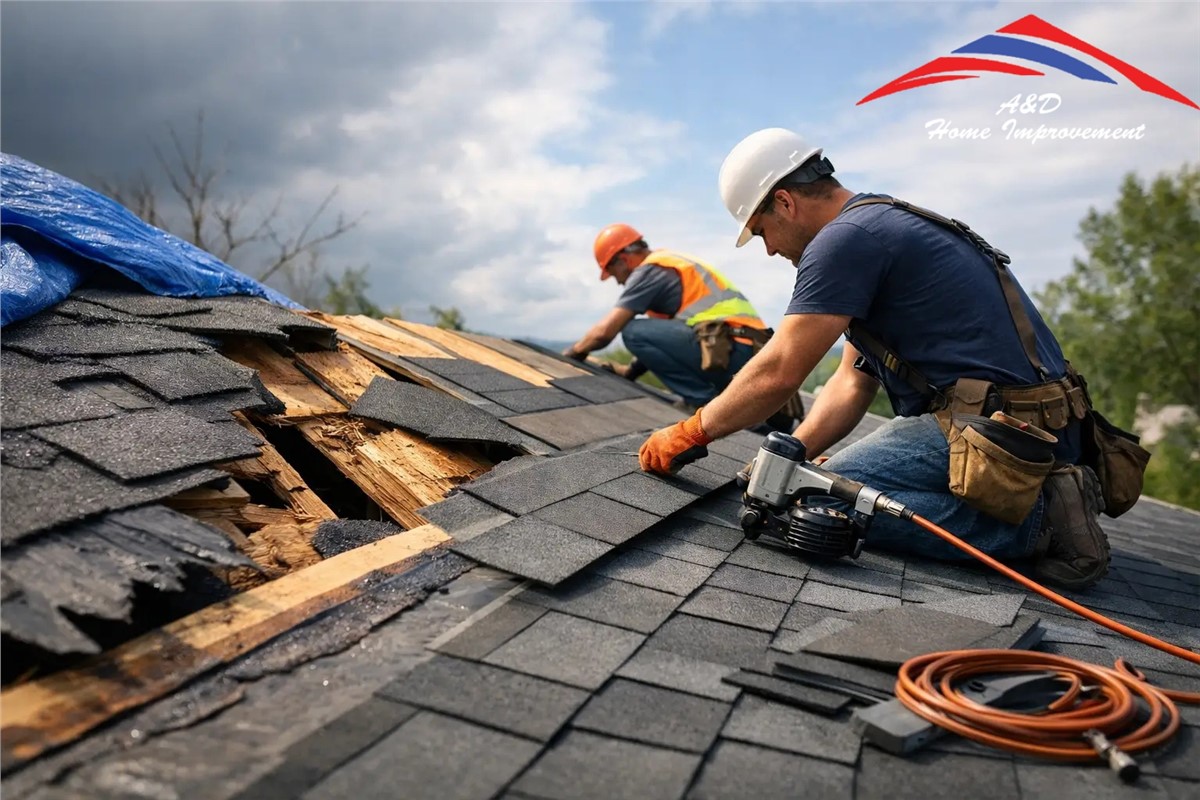
The greatest risk with fiber cement siding is not usually the board itself. It is poor installation. HardiePlank requires precise cuts, approved fastening methods, proper flashing, correct ground and roof clearances, and a thoughtful moisture-management plan. Details around windows and doors cannot be treated as an afterthought.
For example, siding installed too close to roofing, decking, concrete, soil, or landscaping can be exposed to repeated moisture. Improperly flashed openings can direct water behind the siding instead of away from the wall. Gaps, unsealed cut edges, and incorrect fasteners can create appearance issues and may affect warranty coverage.
This is why homeowners should evaluate the contractor as carefully as the product. Ask whether the crew follows James Hardie installation requirements, how they protect landscaping and surrounding surfaces, who handles hidden wall repairs, and what workmanship warranty applies after the project is complete. A written scope should identify the siding profile, trim, finish, housewrap or weather barrier work, flashing, and cleanup expectations.
A&D Home Improvement approaches James Hardie projects as full exterior systems, not simply a board-for-board replacement. That means addressing the details that influence siding life: water control, trim integration, ventilation considerations, and transitions to roofing, windows, gutters, and masonry.
Is James Hardie Better Than Vinyl Siding?
For homeowners focused on the lowest upfront cost and minimal upkeep, quality insulated vinyl can still be a practical solution. Vinyl is lighter, less expensive to install, and never needs painting. It can be a sensible choice for rental properties, budget-driven projects, or homes where the existing style suits vinyl well.
HardiePlank usually wins when appearance, impact resistance, and architectural detail are higher priorities. Its wood-like profile, crisp trim options, and broad color selection can elevate a home's exterior in a way that basic vinyl often cannot. It also tends to feel like a better match for higher-value homes, historic-inspired designs, and neighborhoods where curb appeal has a direct effect on resale interest.
The comparison is not simply premium versus affordable. It is about expected ownership. If you plan to stay in the home, want a tailored exterior design, and are willing to invest in professional installation and periodic maintenance, fiber cement can be worth the higher initial cost. If your main goal is a reliable refresh at the lowest practical price, vinyl may offer better value.
Cost Factors Chicago Homeowners Should Expect
A reliable siding estimate should be based on the home, not a generic price per square foot. The number of stories, accessibility, siding removal, wall repairs, insulation upgrades, trim quantity, window and door details, and color selection all influence cost. Homes with older siding may also reveal hidden moisture damage once the existing material is removed.
Choosing factory-finished ColorPlus boards can raise the material cost while reducing some on-site painting needs. Custom color projects may offer more design freedom but can require additional labor. Premium trim packages, shakes in gables, and decorative accents also change the total, though they can produce a much more complete result.
The best way to compare proposals is to look beyond the bottom line. Confirm what each estimate includes, which product line is being proposed, how water-resistant detailing will be handled, and what warranty protection is provided for both materials and workmanship. Financing can also help homeowners choose a siding system that protects the property without forcing every decision around the immediate cash cost.
The Right Choice for a Long-Term Exterior
James Hardie Plank is a strong siding choice for Chicago-area homeowners who want the look of painted wood with significantly better resistance to moisture, pests, and harsh weather. Its premium cost is real, and so is the need for professional installation and occasional maintenance. Those trade-offs are usually worthwhile when the goal is a durable, polished exterior that supports curb appeal for years.
Before selecting a color or profile, have the home evaluated as a complete exterior system. The right siding project should solve the underlying water, trim, and transition details while giving your home a finish you will be proud to pull up to every day.
Subscribe to A&D Home Improvement's Blog