A roof can look mostly intact from the driveway and still have enough storm damage to cause expensive problems a few weeks later. That is why roof replacement after storm damage should never be treated like a cosmetic decision. In the Chicago suburbs, high winds, hail, heavy rain, and freeze-thaw cycles can turn a single storm into a roofing failure that affects insulation, decking, gutters, and even interior ceilings.
The challenge for most property owners is not knowing whether they need a repair or a full replacement and not knowing how quickly they need to act. That uncertainty is exactly where costly mistakes happen. Waiting too long can allow water intrusion to spread. Moving too fast with the wrong contractor can leave you with poor workmanship, incomplete insurance documentation, or a roof system that is not built for local weather.
When roof replacement after storm damage makes more sense than repair
Not every storm-damaged roof needs to be replaced. Some do well with a targeted repair, especially when damage is limited to a small section and the rest of the roofing system is still in strong condition. But there are cases where replacement is the smarter investment, even if the roof is not actively leaking yet.
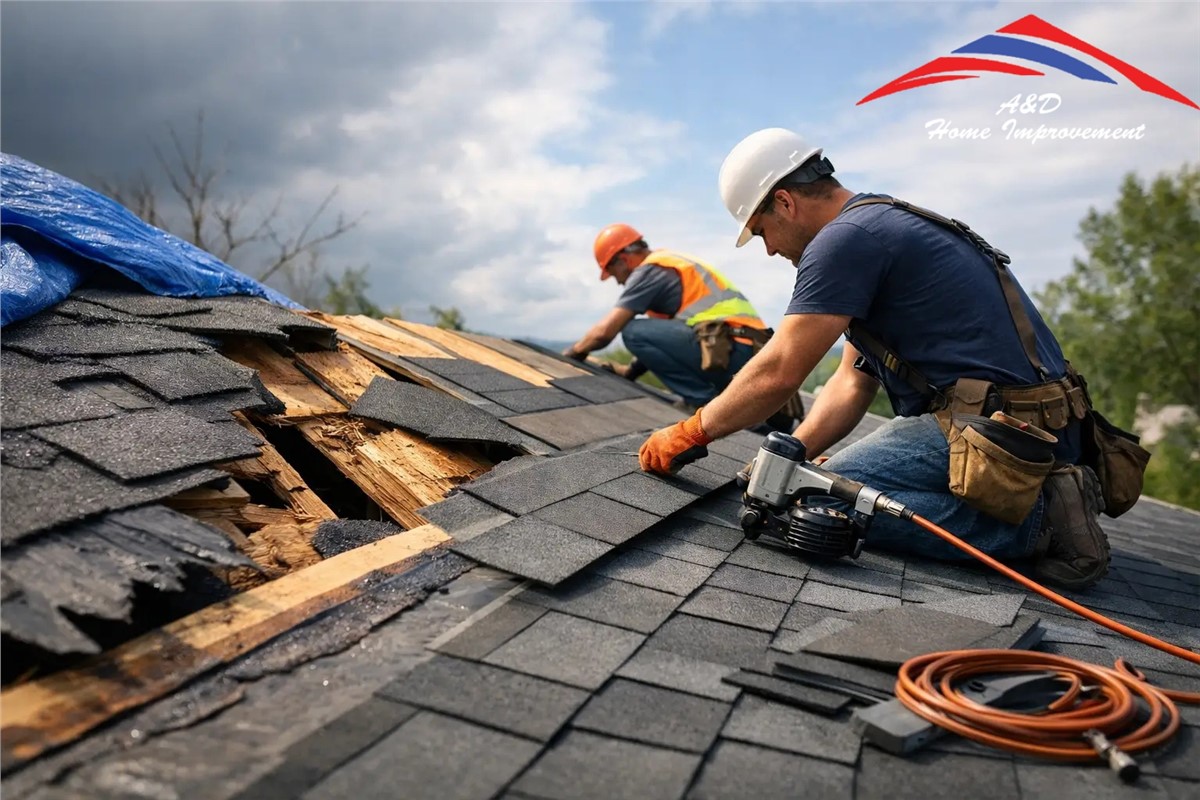
Widespread hail impact is one of the clearest examples. Hail can bruise or fracture shingles in a way that shortens the roof's lifespan even when the damage is hard to spot from the ground. Strong wind can break seal strips, lift shingles, and expose underlayment. On older roofs, those issues often show up across multiple slopes, which makes patchwork less reliable.
Age matters too. If your roof was already nearing the end of its service life before the storm, repairs may only delay a larger problem. Matching older shingles can also be difficult, and a repaired section may not perform or look consistent with the rest of the roof. For many homeowners, replacing the roof after a major storm is the better path for long-term protection, warranty coverage, and resale confidence.
The first steps to take after a storm
The first priority is safety. If you see sagging, active leaks, fallen branches, or signs that water has reached electrical fixtures, keep clear of the affected area and have the property evaluated right away. Temporary protection may be needed before replacement planning even begins.
After that, documentation becomes critical. Take photos of visible exterior damage, interior water stains, debris impact, dented gutters, and anything else tied to the storm event. Even if you expect insurance to cover the loss, your claim will be stronger when the condition of the property is documented early.
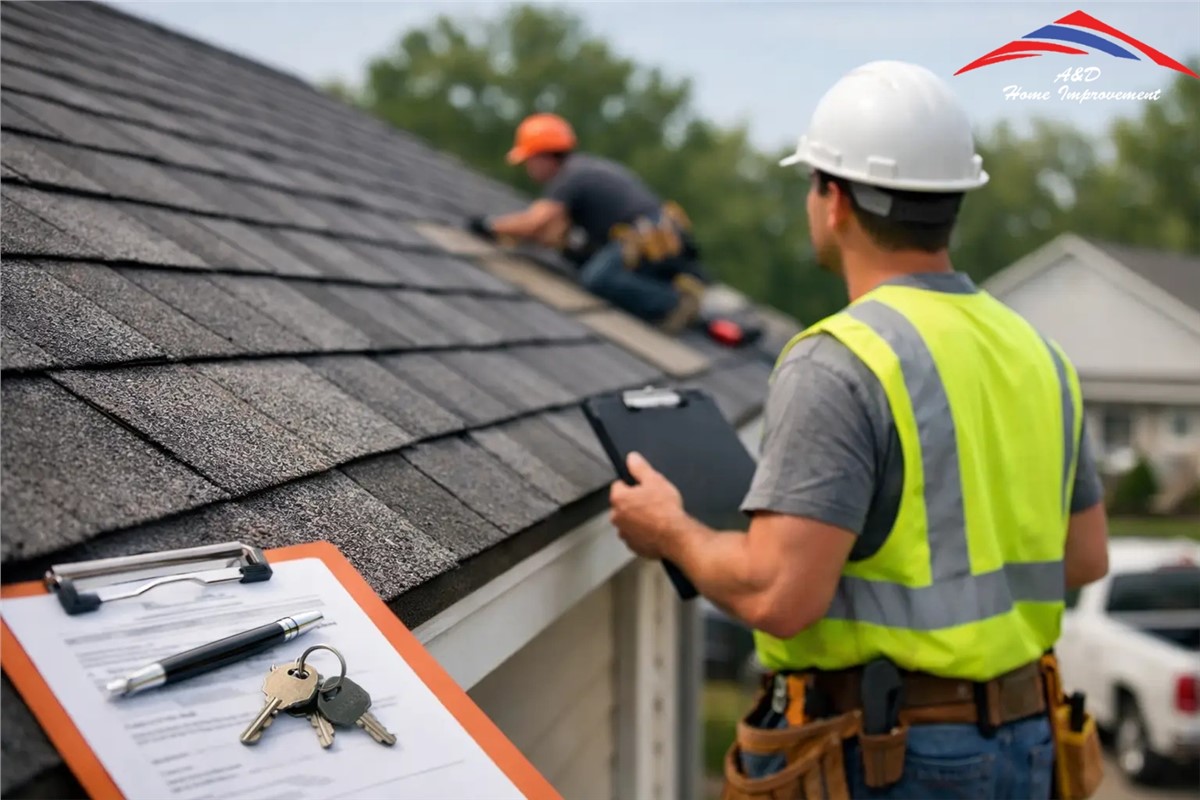
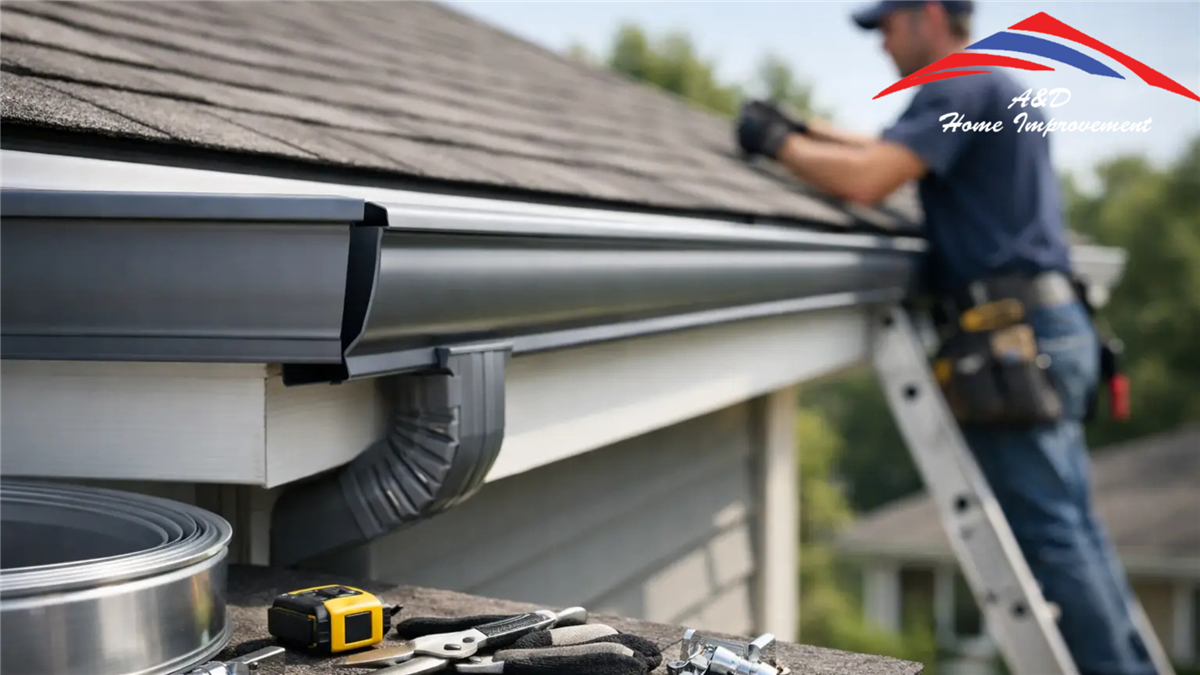
Then schedule a professional inspection. This is where experience matters. Storm damage is not always obvious, and a proper inspection should look beyond missing shingles. Flashing, ridge vents, decking condition, underlayment exposure, granule loss, and gutter damage all help tell the full story. A thorough contractor can also identify whether the damage is isolated or whether the roofing system has been compromised enough to justify replacement.
Insurance claims can help, but the process is not automatic
Many property owners assume storm-related roof replacement is either fully covered or automatically denied. The truth is usually somewhere in the middle. It depends on the age of the roof, the cause of loss, the policy language, and the quality of the inspection and documentation.
Insurance typically responds to sudden storm damage, not long-term neglect or wear. If wind removed shingles or hail created functional damage, there may be a valid claim. But if the carrier sees old deterioration, poor maintenance, or prior unrepaired issues, the scope can change.
That is why contractor support during the claims process can make a real difference. An experienced exterior company knows how to document storm-related conditions, communicate the damage clearly, and help property owners understand what is included in the estimate. This does not guarantee approval, but it reduces confusion and helps prevent important details from being missed.
For homeowners in Illinois, speed matters here too. Delays can complicate claims and allow secondary damage to develop. If there is a question about whether the roof qualifies for replacement, it is better to get clarity early than to wait until stains appear inside the home.
Choosing materials for Illinois weather
A storm-damaged roof should not just be replaced. It should be upgraded with materials and installation methods that make sense for the local climate. In the Chicago area, that means planning for more than the last storm. Your new roof has to handle the next wind event, the next hail season, and the long winter that follows.
For many homes, architectural asphalt shingles remain the most practical choice because they offer a strong balance of cost, appearance, and performance. But there are meaningful differences between product lines. Impact resistance, wind ratings, algae protection, and manufacturer warranty terms all matter. A higher-grade shingle may cost more upfront but deliver better durability and lower risk over time.
Equally important is the full roofing system. Underlayment, ice and water protection, ventilation, starter strips, ridge caps, and flashing details all affect how the roof performs after installation. Storm resilience does not come from shingles alone. It comes from a complete system installed to manufacturer standards.
For commercial properties, the conversation is different. Flat and low-slope systems require careful review of membrane condition, drainage performance, seam integrity, and insulation. A replacement recommendation should be based on how the whole system was affected, not just whether surface damage is visible.
Why workmanship matters as much as the product
A premium roofing product can still fail early if it is installed poorly. That is one reason storm restoration work deserves careful contractor selection. After major weather events, many property owners are approached by out-of-area crews offering fast, low-cost replacements. The price can sound attractive, but shortcuts often show up later in the form of leaks, ventilation problems, denied warranty claims, or missing code-required components.
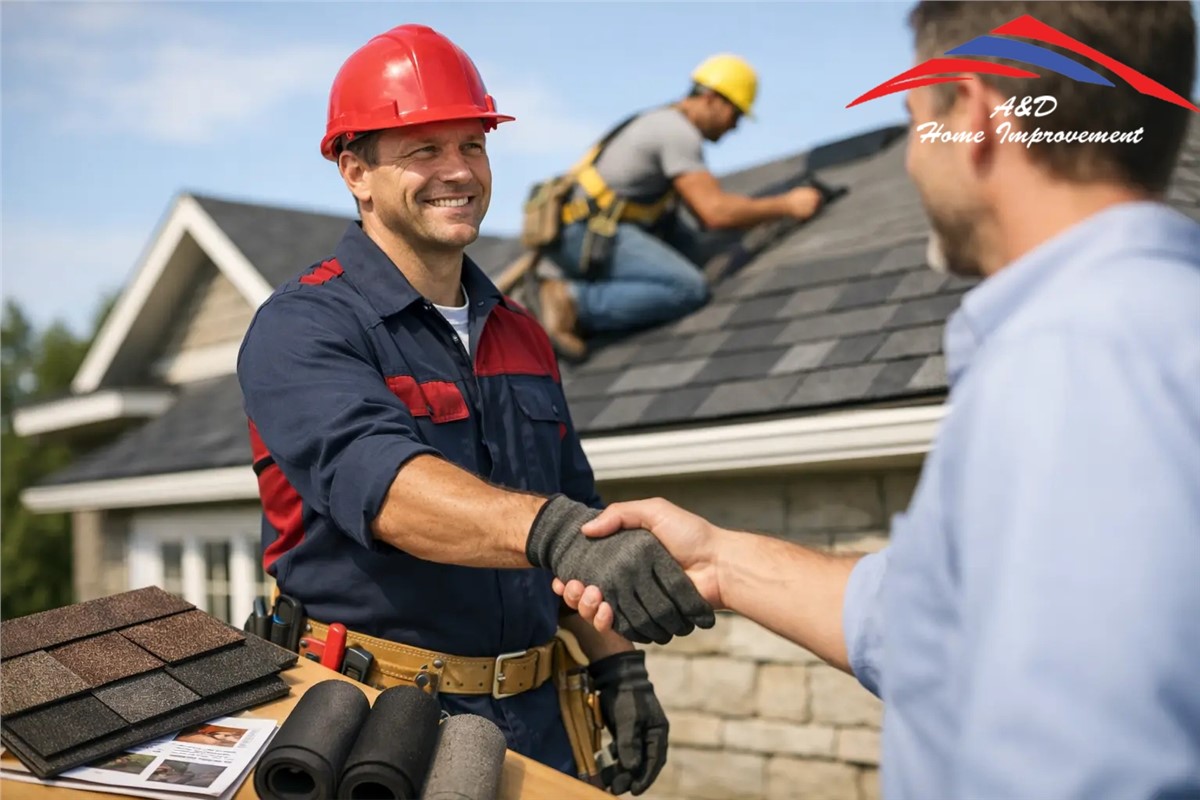
A dependable contractor should provide a clear inspection, a written scope of work, and an explanation of how the replacement will be handled from tear-off through final cleanup. Certifications with major manufacturers are valuable because they show a commitment to training and installation standards. Strong workmanship warranties also matter because they help protect your investment after the project is complete.
This is where local experience carries real weight. Roofing in the Chicago suburbs is not the same as roofing in a milder climate. Ice dam risk, snow loads, wind exposure, attic ventilation, and seasonal expansion all affect long-term performance. A contractor who understands those variables is better positioned to recommend the right system and install it correctly.
Timing, budget, and what to expect during the project
One of the most common questions after storm damage is whether replacement has to happen immediately. The honest answer is that it depends on the severity of the damage. If the roof has active leaks, compromised decking, or broad wind exposure, replacement should move quickly. If damage is moderate and the home is protected temporarily, there may be a little more flexibility for scheduling and insurance coordination.
Budget is another major concern. Replacement is a significant investment, but delaying it can create even greater costs if moisture reaches insulation, drywall, framing, or interior finishes. Financing options can make the project more manageable, especially when insurance does not cover the full amount or when an owner chooses to upgrade beyond the base scope.
During the project itself, homeowners should expect a fairly structured process. That includes material delivery, tear-off, deck inspection, installation of the roofing system, site cleanup, and final review. Good communication is a major part of the experience. You should know what is happening, what was found once the old roof was removed, and whether any change in scope is needed.
A&D Home Improvement approaches storm-related exterior work with that kind of structure because property owners need more than a crew on the roof. They need a process they can trust, backed by certified installation, warranty protection, and products designed for Midwest weather.
How to make the right replacement decision
The best decision is usually not the cheapest estimate or the fastest promise. It is the option that gives you confidence in the roof system, the installation quality, and the company's ability to stand behind the work. If a contractor cannot explain why replacement is necessary, how the system will be built, or what support is available during insurance review, that is a warning sign.
A strong roof replacement after storm damage should solve the immediate problem and reduce future risk. It should improve weather resistance, protect property value, and give you a clear understanding of what was installed over your home or building.
When the storm has passed, peace of mind comes from knowing the next one does not have the same opportunity to do damage.
Subscribe to A&D Home Improvement's Blog