A roof replacement gets expensive fast when the contractor cuts corners. That is why homeowners and property managers often ask about gaf certified roofer benefits before signing a proposal. The certification itself is not the whole job, but it is a strong signal that the roofer meets manufacturer standards, has proven qualifications, and can offer roofing systems with better protection behind them.
In a market like the Chicago suburbs, that matters. Roofs here deal with wind, hail, heavy rain, snow load, ice, and temperature swings that test both materials and workmanship. Choosing a certified contractor can reduce risk, improve warranty coverage, and give you more confidence that the system installed on your home or commercial property is built to perform the way it should.
Why gaf certified roofer benefits matter
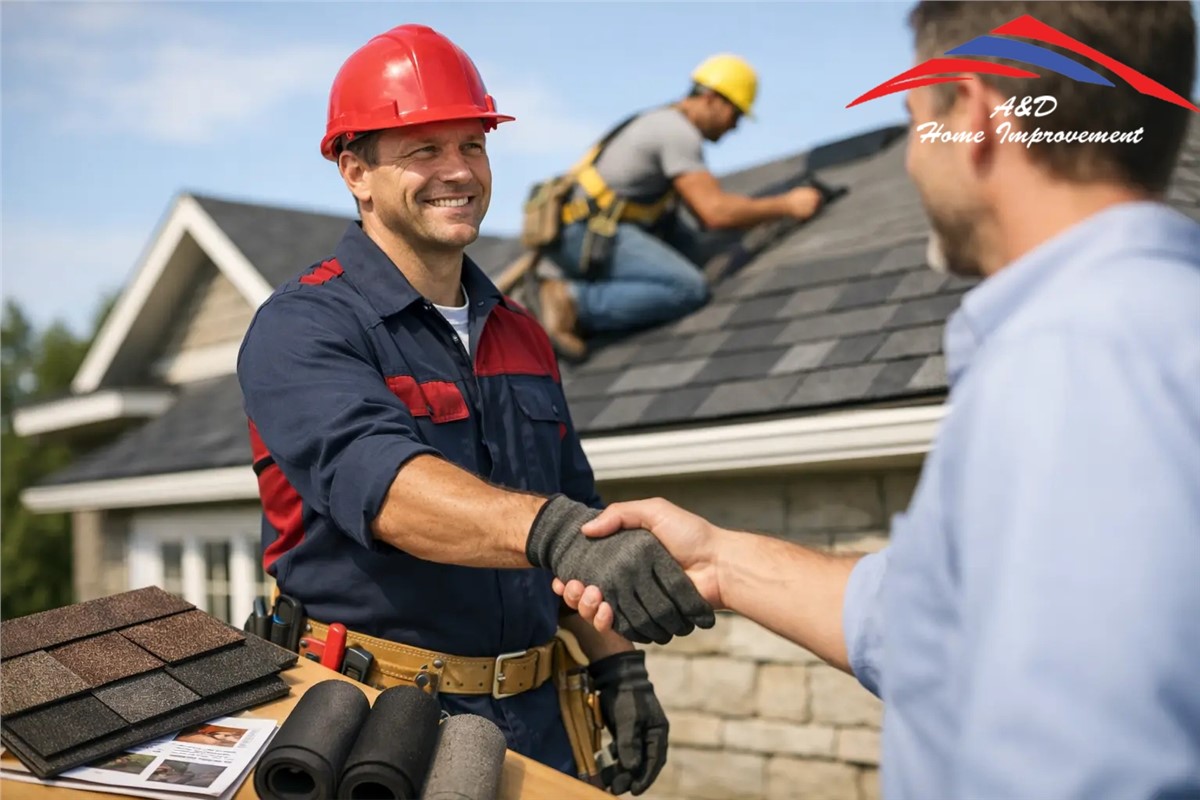
Not all roofing contractors have the same relationship with the products they install. Some can purchase shingles and accessories and put them on a roof without meeting higher manufacturer benchmarks. A GAF certified roofer has gone further by meeting specific requirements tied to licensing, insurance, reputation, and installation standards.
For customers, that changes the conversation. You are no longer comparing price alone. You are comparing the level of training behind the installation, the warranty options attached to the system, and the accountability that comes with working inside a recognized manufacturer program.
That does not mean every certified roofer is automatically the best fit for every project. It does mean you are starting with a contractor who has cleared important quality and professionalism checkpoints, which can make your decision much safer.
Better warranty options are one of the biggest benefits
One of the most practical gaf certified roofer benefits is access to stronger manufacturer-backed warranties. This is often the first reason customers pay attention to certification, and with good reason.
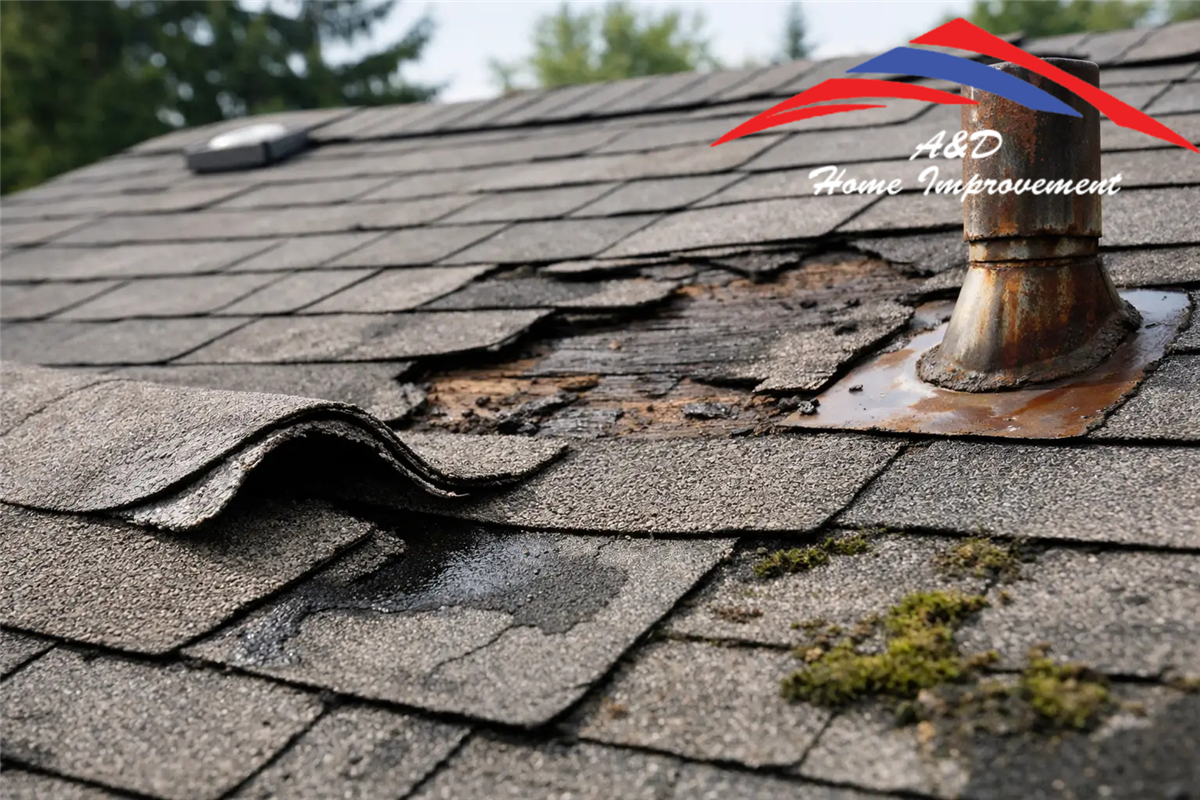
A standard material warranty typically covers product defects, but that is only part of the picture. Roof failures are not always caused by defective shingles. Problems can come from installation mistakes, poor attic ventilation, flashing errors, or system components that were mixed without following manufacturer requirements. Certain enhanced warranties are only available when the roof is installed by a qualified certified contractor using an approved system.
That added coverage can be valuable if you plan to stay in the property long term. It can also make a difference when you want a cleaner, more credible warranty story for future buyers. A roof backed by both a recognized manufacturer and a certified installer tends to inspire more trust than a roof installed with no clear system documentation.
Still, warranty value depends on the details. Coverage periods, transfer terms, workmanship provisions, and registration requirements all matter. A good contractor should explain those terms clearly instead of using the word warranty as a sales shortcut.
Installation standards tend to be more consistent
A roof is a system, not just a layer of shingles. Underlayment, starter strips, ridge ventilation, flashing, leak barriers, and fastener placement all affect how the roof handles weather over time. A certified contractor is expected to install the system according to manufacturer guidelines, which helps reduce the chance of avoidable errors.
That consistency matters in Illinois, where weather can expose weaknesses quickly. A roof that looks fine on day one can develop leaks or premature wear if the details are off around valleys, pipe penetrations, skylights, chimneys, or eaves. Certification does not remove every risk, but it usually means the installer is working from a more disciplined process.
For homeowners, this translates into fewer surprises. For commercial property owners, it can mean less disruption, better documentation, and more predictable long-term performance. The project feels more controlled because it is tied to a defined system rather than improvised methods.
Certification helps confirm business credibility
Roofing is a high-trust purchase. You are hiring a company to protect the structure, interior, insulation, and everything underneath the roof deck. That is why certification matters beyond the shingles themselves.
GAF certification generally requires contractors to maintain proper licensing where required, carry insurance, and uphold a solid professional reputation. Those are basic expectations, but they are not guaranteed in every corner of the roofing industry. A certified status can serve as an extra layer of screening before you even begin looking at estimates.
This is especially important after storms, when out-of-town contractors and aggressive sales teams often appear in affected neighborhoods. Certification alone should never replace your own due diligence, but it can help you narrow the field toward roofers with stronger business practices and a longer-term commitment to the market they serve.
Manufacturer support adds confidence
Another often overlooked benefit is alignment with the manufacturer. When a contractor installs a roofing system from a brand they are certified with, there is usually better product familiarity and clearer support channels if questions come up.
That can help during product selection, warranty registration, and issue resolution. It also means the contractor is less likely to mix materials in a way that compromises system performance. When every major component is chosen to work together, the roof has a better chance of performing as intended.
This matters for customers trying to balance budget and protection. A dependable contractor should be able to explain which system makes sense for your home, your slope, your ventilation setup, and your long-term goals instead of pushing the same package on every property.
The benefits are real, but certification is not the only thing to check
This is where a balanced view matters. GAF certified roofer benefits are meaningful, but certification should not be treated as the only decision factor.
You still want to review local experience, project photos, customer feedback, scope clarity, cleanup standards, and how the company handles communication. A certified roofer can still vary in responsiveness, crew quality, scheduling, and attention to detail. The certification gets your attention. The company’s actual process and track record should earn your trust.
Ask practical questions. Who supervises the installation? How are decking issues handled if found during tear-off? What ventilation changes are recommended and why? What is included in the workmanship warranty? How will landscaping and driveways be protected during the project? Strong contractors answer these questions directly.
Why local climate makes certification more valuable
The Chicago suburban area is demanding on exterior systems. Wind-driven rain, hail impact, freeze-thaw cycles, and winter ice can turn small installation issues into expensive repairs. In that environment, better materials alone are not enough. The way those materials are installed is what determines whether your roof truly holds up.
That is why many property owners see more value in working with contractors who combine manufacturer certification with local storm restoration and replacement experience. A roof system needs to be selected and installed for real conditions, not generic brochure conditions.
For example, attic ventilation has to be evaluated carefully, not guessed at. Flashing details around chimneys and walls need to account for repeated weather stress. Ice and water protection matters in vulnerable areas. These decisions affect durability, energy performance, and the likelihood of future leaks.
A&D Home Improvement positions certification as part of that broader standard - not as a badge alone, but as one piece of a disciplined roofing process built for Midwest weather.
Who benefits most from hiring a GAF certified roofer
Homeowners planning a full roof replacement often see the clearest value because they can take advantage of a complete roofing system and stronger warranty choices from the start. Families investing in curb appeal and long-term resale value also benefit because certification supports a cleaner paper trail and stronger buyer confidence.
Commercial owners and property managers can benefit as well, especially when they need dependable scheduling, documentation, and reduced installation risk. If your property has experienced storm damage, certification can also provide peace of mind during the insurance restoration process because the scope of work is more likely to follow recognized system standards.
The biggest advantage usually goes to customers who want fewer unknowns. If you are trying to avoid shortcuts, protect your budget, and make one good roofing decision that lasts, certification is a smart filter.
What to look for during the estimate
When a certified roofer visits your property, the estimate should reflect more than a logo on the proposal. Look for a clear explanation of the roofing system, not just a shingle brand. You should see detail around underlayment, ventilation, flashing, leak barriers, ridge components, cleanup, warranty options, and any decking contingencies.
You should also expect a straightforward conversation about trade-offs. Maybe a premium system makes sense if you plan to stay in the home for many years. Maybe a more budget-conscious option is appropriate if the property is being prepared for sale. The right contractor will guide the decision based on your goals, not pressure you into the highest number.
The best roofing decisions usually come down to confidence. Not hype, not guesswork, and not a low bid that leaves too much unresolved. If you are comparing proposals and want stronger workmanship standards, better warranty opportunities, and a contractor with proven manufacturer recognition, GAF certification is a very good place to start.
Subscribe to A&D Home Improvement's Blog