A roof rarely fails all at once. In the Chicago suburbs, it usually starts with a few shingles out of place after a windstorm, a damp spot in the attic, or granules collecting in the gutters. Those early warning signs matter. When you know the top signs of roof failure, you have a better chance of addressing damage before it turns into structural repairs, interior water damage, mold, or a full emergency replacement.
For homeowners and property managers, the challenge is that roof problems do not always look dramatic from the ground. A roof can appear mostly intact and still be past the point where spot repairs make financial sense. Age, storm exposure, ventilation issues, installation quality, and material type all play a role. That is why it helps to know what to look for and when to bring in a qualified roofing professional for a closer inspection.
Top signs of roof failure you should not ignore
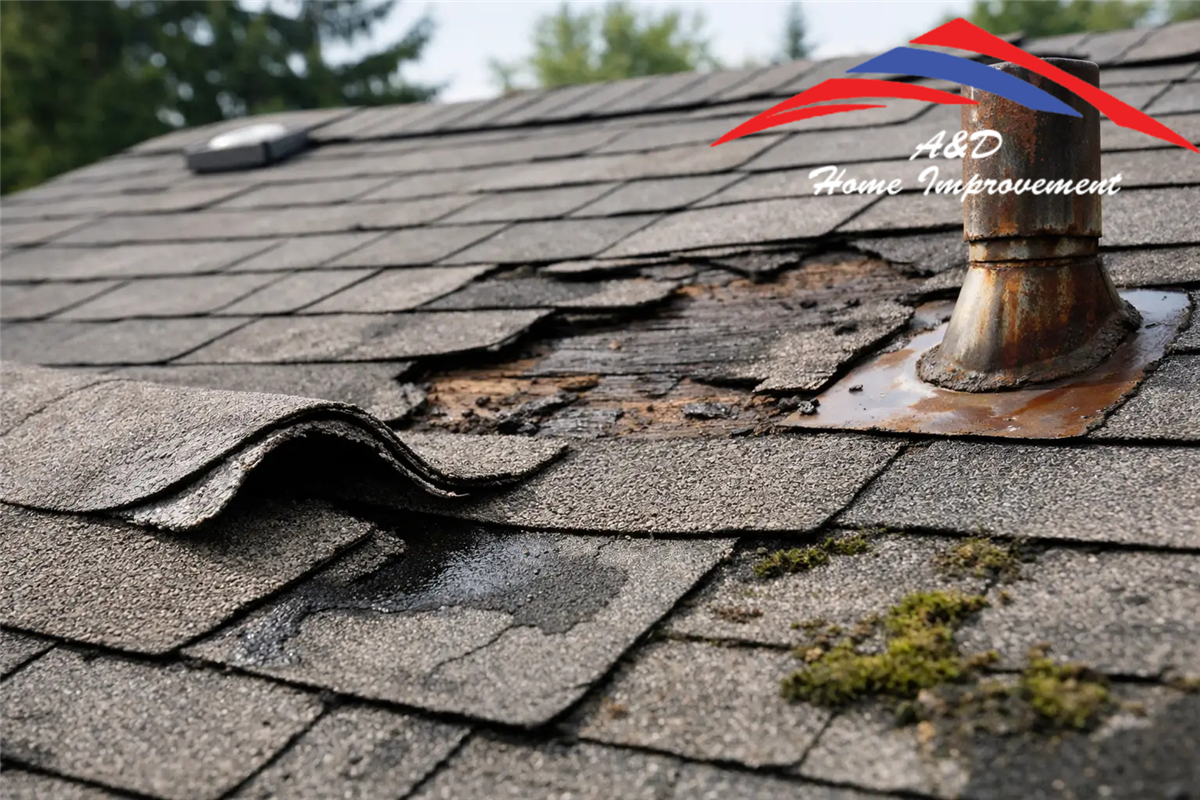
One of the clearest signs is missing, cracked, or curling shingles. Asphalt shingles are designed to lie flat and create a dependable water-shedding surface. When edges begin to curl, tabs crack, or sections blow off entirely, the roof becomes vulnerable to water intrusion and wind uplift. A few isolated damaged shingles can sometimes be repaired, but widespread shingle deterioration often signals that the roof system is nearing the end of its service life.
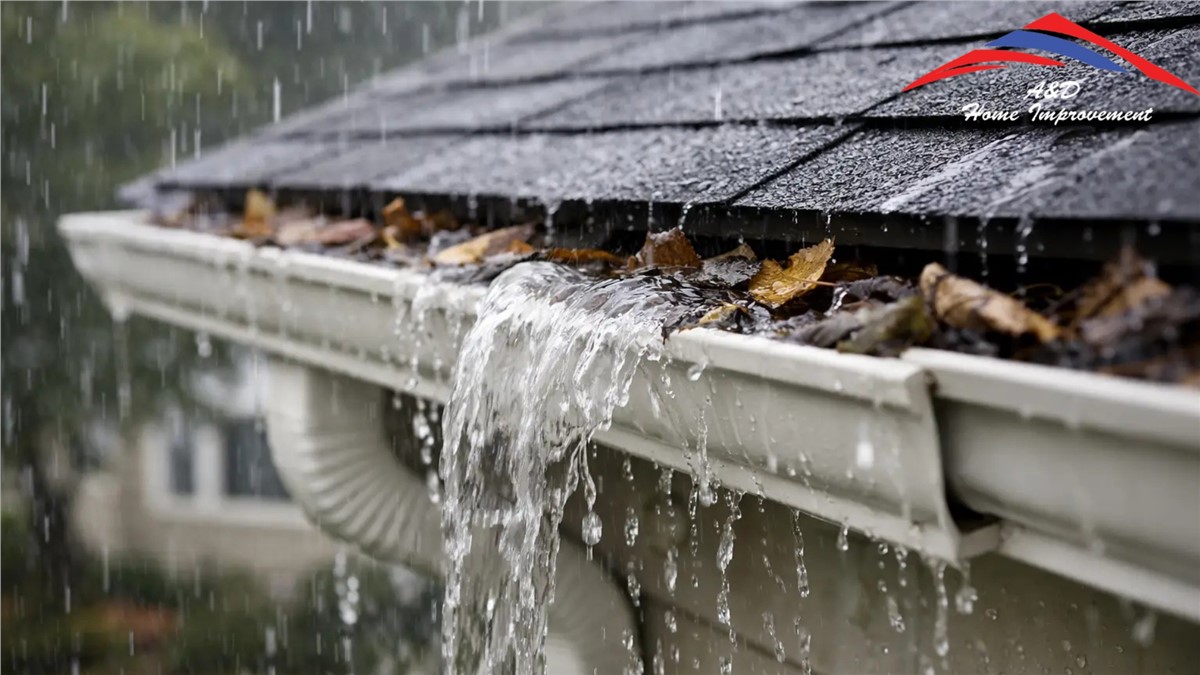
Another common warning sign is bald or thinning shingles. If you notice large amounts of granules in downspouts or gutters, your shingles may be losing the protective surface that shields them from UV exposure and weather wear. Granule loss tends to accelerate aging. On newer roofs, a small amount of loose granules may not be unusual. On older roofs, heavy granule loss is often a sign that replacement should be on the table.
Leaks inside the home or building are another major red flag, but they can be deceptive. Water stains on ceilings, bubbling paint, damp insulation, or discoloration in attic spaces may point to roof failure, flashing failure, or poor ventilation. The source is not always directly above the stain. Water can travel along decking or framing before it appears indoors, which is why a professional inspection is important.
Sagging is more serious. If a section of the roofline looks uneven or dips in the middle, there may be trapped moisture, weakened roof decking, structural stress, or long-term deterioration beneath the shingles. A sagging roof is not something to monitor casually. It needs immediate evaluation because the issue may involve both the roofing system and the underlying structure.
When storm damage becomes roof failure
In Illinois, hail and high winds can shorten a roof's life quickly. After a major storm, dents, bruising, lifted shingles, and flashing damage may not be obvious from the driveway. Hail can compromise shingle integrity without leaving dramatic holes, and wind can break the seal that keeps shingles anchored in place. Once those seals are compromised, the next storm often does more damage.
This is where timing matters. If storm damage is caught early, targeted repairs or an insurance-supported restoration may be possible, depending on the condition and age of the roof. If the roof was already worn before the storm, the event may simply push it into failure. Property owners sometimes wait because the roof is not actively leaking, but delayed action can lead to denied claims, more interior damage, and higher out-of-pocket costs.
Flashing is another weak point after severe weather. The metal components around chimneys, vents, skylights, and valleys are essential to keeping water out. If flashing lifts, rusts, cracks, or separates from adjoining materials, leaks can develop even when the field shingles still look acceptable. In many cases, roof failure begins around penetrations and transitions rather than across the entire roof surface.
Age still matters, even if the roof looks decent
A roof does not need to be visibly falling apart to be failing. Many asphalt roofing systems begin to show meaningful wear between 15 and 25 years, depending on ventilation, installation quality, sun exposure, storm history, and product grade. Architectural shingles typically last longer than basic 3-tab systems, but even premium materials have limits.
If your roof is approaching the end of its expected lifespan, small issues should be taken more seriously. A leak on a newer roof may be a localized repair. That same leak on an older roof may indicate widespread brittleness, underlayment problems, or weakened decking. In those cases, putting money into repeated repairs can become less cost-effective than replacing the system with a properly installed, warranty-backed roof.
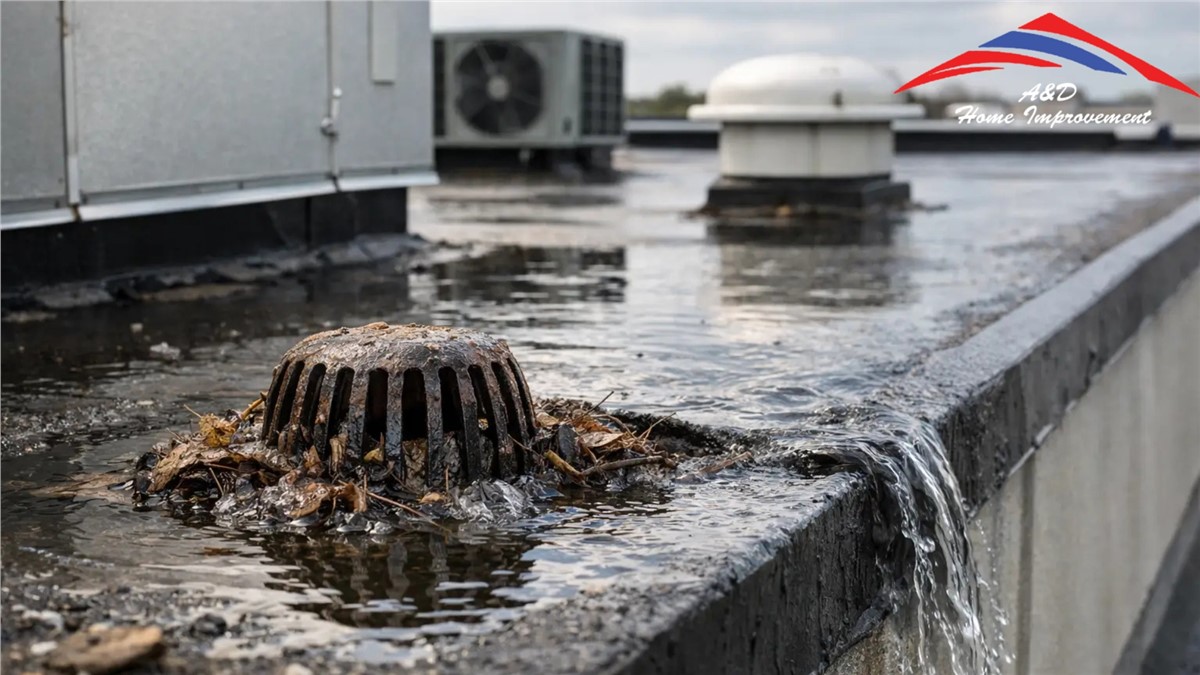
For commercial properties, the same principle applies, though the warning signs look different depending on the roofing system. Membrane shrinkage, seam separation, ponding water, punctures, and recurring leaks are all signs that a flat or low-slope roof may be deteriorating beyond routine maintenance.
What the attic can tell you about roof condition
Some of the top signs of roof failure are easier to spot from inside the property than from outside. The attic is one of the best places to look. Daylight coming through roof boards, damp insulation, musty odors, dark staining on wood, and visible mold growth all suggest that moisture is getting where it should not.
Poor attic ventilation can also speed up roof failure. When heat and moisture build up in the attic, shingles can age faster and decking can weaken over time. In winter, ventilation issues can contribute to ice dam formation, which is especially relevant in the Chicago area. Ice dams can force water under shingles and create leaks even when the roof covering itself is still mostly intact.
This is one reason roof evaluations should go beyond surface materials. A dependable contractor looks at the full system, including ventilation, flashing, decking condition, drainage, and insulation performance. That broader view leads to better recommendations and fewer surprises once work begins.
Repairs or replacement? It depends on the pattern of damage
Not every warning sign means you need a full replacement. If a roof is relatively new and damage is limited to a specific area, a repair may be the right move. The same is true for isolated flashing issues or a small number of shingles lost in a storm. The key is whether the problem is contained or whether it points to system-wide deterioration.
A roof with repeated leaks, broad granule loss, widespread shingle damage, soft decking, or multiple past repairs is usually telling you something important. At that point, patching may only delay a larger problem. A replacement often provides better long-term value, especially when it improves weather resistance, ventilation, and warranty coverage at the same time.
For many property owners, the decision also comes down to risk tolerance and budgeting. If you plan to stay in the home for years, investing in a high-performance roof may make more sense than continuing to repair an aging one. If you are managing a commercial property, minimizing disruption and protecting tenants or operations may push replacement higher on the priority list.
Why professional inspection matters
Roof problems are easy to underestimate and just as easy to overdiagnose. A stain on a ceiling does not always mean the entire roof has failed, and a roof that looks fine from the ground may still have storm damage or hidden moisture issues. That is why a professional inspection is so valuable. It provides clarity on the actual condition of the roofing system, the urgency of the issue, and whether repair, restoration, or replacement is the smartest next step.
A thorough inspection should document visible damage, assess vulnerable components, and explain the practical options in plain language. That kind of transparency matters when you are weighing insurance questions, financing, product choices, and the long-term value of the project. Companies like A&D Home Improvement build trust by combining certified installation standards, strong warranties, and roof systems designed for tough Illinois weather.
If your roof is showing any of these warning signs, waiting usually does not make the fix simpler or cheaper. A timely inspection gives you room to make a smart decision before a minor issue turns into interior damage, structural repair, or a rushed replacement during the next storm season. The best time to address roof failure is when you first see it coming.
Subscribe to A&D Home Improvement's Blog