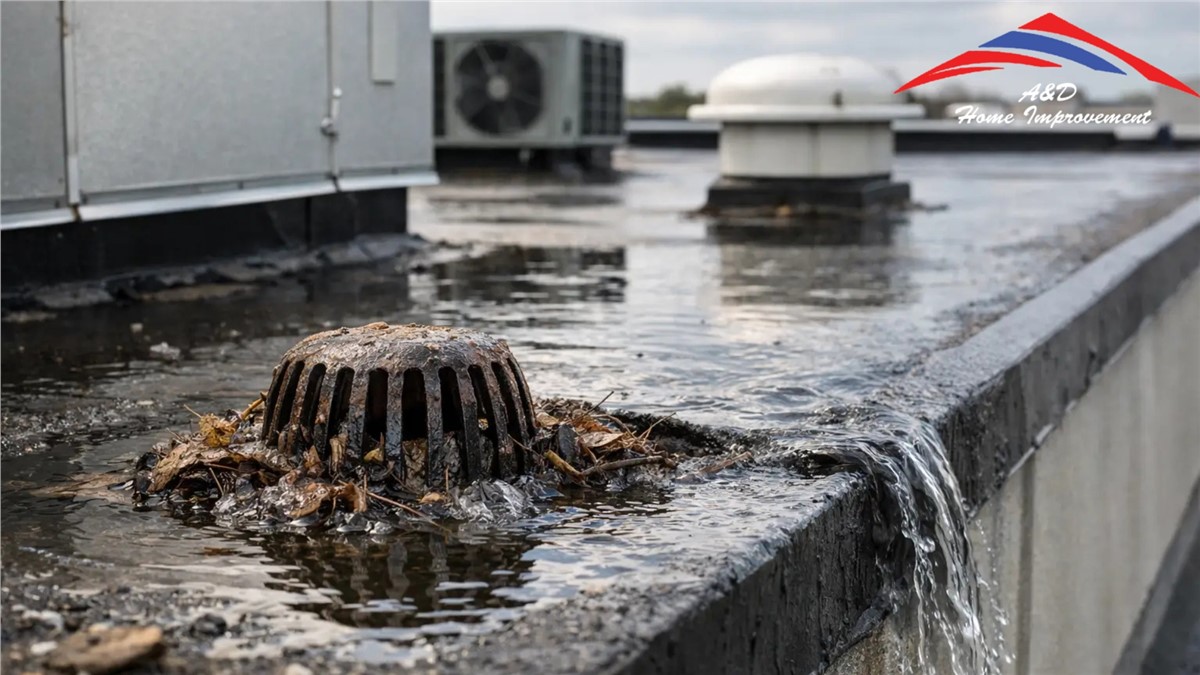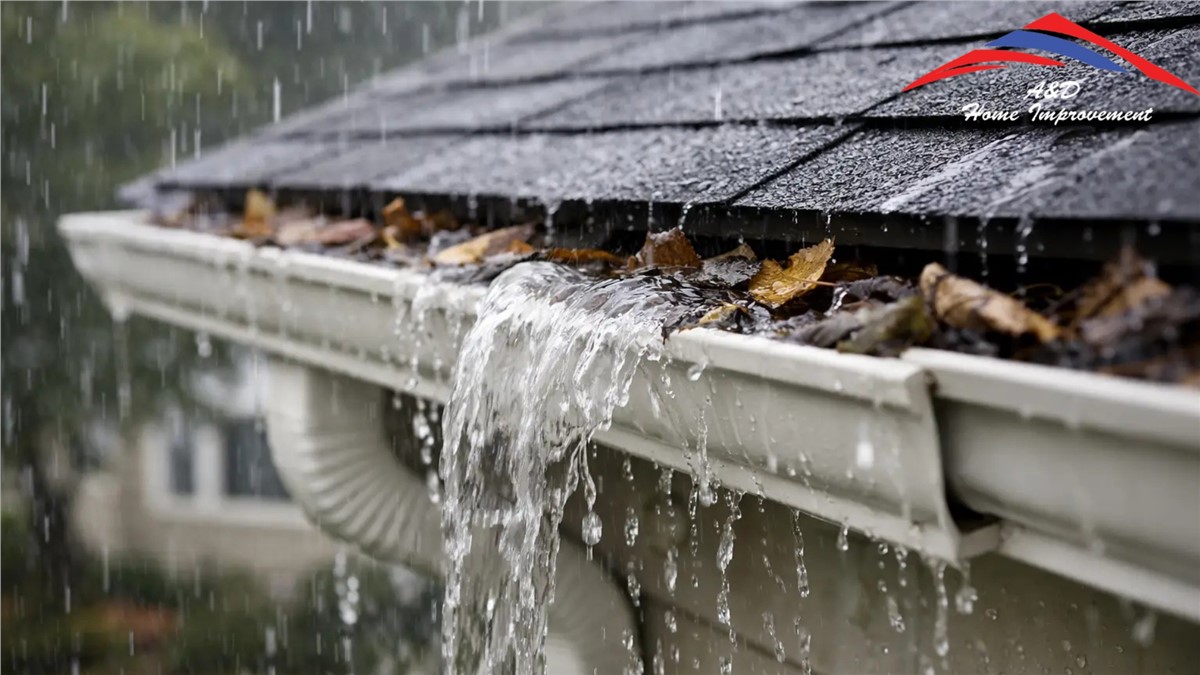
A gutter that spills water over its edge is not just an annoyance during a heavy Illinois rainstorm. It can soak landscaping, stain siding, flood a basement, and send water toward the foundation instead of safely away from it. Homeowners often ask what causes gutter overflow problems because the visible symptom is simple, but the underlying issue can range from a quick cleaning to a drainage system that no longer fits the home.
The right repair depends on where the water is escaping, when it happens, and whether the gutter system is otherwise sound. A professional assessment can separate a one-time blockage from a problem that will continue to threaten your roofline, siding, and foundation every time severe weather moves through the Chicago suburbs.
What Causes Gutter Overflow Problems Most Often?
Overflow happens when water enters the gutter faster than it can travel through the channel and downspouts. That does not always mean the gutter is too small. In many cases, debris, poor installation, or a drainage obstruction is slowing the water down long before it reaches the downspout.
Clogged Gutters and Downspouts
Leaves, twigs, seed pods, roof grit, and windblown debris collect in open gutters over time. Even a small buildup can create a dam that blocks water from moving to the downspout. Once the water backs up, it rises over the front edge of the gutter or spills behind it onto the fascia board.
A downspout can be clogged even when the gutter itself looks relatively clean. Debris often packs into the elbow near the bottom or at the connection between the gutter and downspout. If one section overflows while the rest of the gutter appears to drain normally, a blocked downspout is a likely cause.
Cleaning may solve the immediate issue, but it is not always the long-term answer. Mature trees, frequent storms, and roofs that shed a lot of shingle granules can create repeat maintenance needs. Properly selected gutter guards can reduce debris buildup, although they still need occasional inspection and should be installed to work with the roof and gutter profile.
Incorrect Gutter Pitch
Gutters need a subtle slope toward the downspout. The pitch is slight enough that it should not look noticeably uneven from the ground, yet it must be precise enough to keep water moving. A gutter that is too level allows water to sit in low spots. A gutter that slopes the wrong direction sends water away from the downspout and eventually over the edge.
Poor pitch can result from an installation issue, shifting hangers, storm damage, or years of snow and ice load. Standing water is a useful warning sign. Besides contributing to overflow, it adds unnecessary weight, encourages corrosion in older systems, and can worsen sagging over time.
Sagging Gutters or Loose Hangers
Gutters are attached to the roofline with hangers that must support the weight of rainwater, debris, snow, and ice. When fasteners loosen or the fascia board behind them begins to deteriorate, the gutter can pull away from the house or sag between hanger points.
That sag creates a low area where water and debris collect. During a downpour, water may overflow at the sag while the rest of the system seems functional. You may also notice water pouring from the back of the gutter, which can expose the fascia, soffit, and siding to repeated moisture.
Simply reattaching a loose section is not always enough. If the wood behind the gutter is soft or damaged, the underlying repair should be completed before new gutters or hardware are installed. Otherwise, the same section can fail again.
Gutters That Are Too Small for the Roof
Standard gutters can handle normal rainfall on many homes. However, roof size, roof pitch, valley locations, and local storm intensity all affect how much water reaches a single gutter run. A steep roof or a large roof plane can move a surprising amount of water very quickly.
This issue is especially common near roof valleys, where two roof sections concentrate runoff into one small area. If overflow only occurs during hard rain and consistently happens below a valley, the existing gutter may be undersized, the downspout capacity may be inadequate, or both may be true.
Larger seamless gutters and appropriately sized downspouts can provide a better margin for heavy rainfall. The trade-off is that replacement should be designed around the home rather than treated as a one-size-fits-all upgrade. Capacity, roof layout, drainage direction, and curb appeal all matter.
Too Few Downspouts or Poor Downspout Placement
A gutter can be correctly sized and still overflow if water has too far to travel before reaching a downspout. Long gutter runs need sufficient drainage points. Without them, water can build up near the middle of the run during intense rain.
Downspout placement matters as well. A downspout located at the wrong end of a poorly pitched gutter will not help. In some cases, adding a downspout or rerouting one can improve performance without replacing every gutter. In others, a full system replacement makes more sense because aging gutters, weak hangers, and undersized drainage are all contributing to the problem.
Water Shooting Past the Gutter
Not every apparent overflow begins inside the gutter. Water can run quickly down a roof and shoot over the outer edge, particularly on steep roof sections or beneath valleys. This can happen when the lower edge of the roof covering extends too far into the gutter, when the gutter sits too low, or when the roof and gutter geometry was not coordinated during installation.
A damaged or missing drip edge can also contribute. This metal flashing guides water off the roof and into the gutter while helping protect the roof deck and fascia. When it is installed incorrectly or absent, water may cling to the roof edge and travel behind the gutter instead.
Chicago Weather Can Make Overflow Worse
The greater Chicago area puts gutter systems through more than routine rain. Spring debris, summer downpours, fall leaves, freeze-thaw cycles, snow accumulation, and ice can all expose weak points in the drainage system.
Ice is particularly hard on gutters that already have standing water or loose fasteners. It can widen a small sag, pull a gutter away from the fascia, or worsen a hidden drainage issue. Ice dams at the roof edge may also send meltwater where it does not belong. While gutters do not cause every ice dam, a complete inspection should consider attic insulation, ventilation, roof conditions, and drainage together when winter problems recur.
How to Tell Which Gutter Repair You Need
The pattern of the overflow offers useful clues. Water spilling from one location during every rain event often points to a clog, sag, or pitch problem. Overflow along a long section during only the heaviest storms may indicate limited gutter or downspout capacity. Water behind the gutter suggests loose hardware, fascia damage, or a drip-edge concern.
You can safely look for visible debris from the ground and observe where water goes during a light rain. Avoid climbing onto ladders or roofs during wet, windy, or icy conditions. A closer inspection should evaluate the condition of the gutter channel, seams, end caps, hangers, downspouts, fascia, roof edge, and discharge area.
Also look beyond the gutter itself. Downspouts must carry water far enough from the foundation to prevent pooling near the home. A clear gutter that drains into a short, disconnected, or blocked extension can still leave you with foundation moisture and damaged landscaping.
When Cleaning Is Enough and When Replacement Is Smarter
Cleaning is often enough when the gutters are securely attached, properly pitched, free of corrosion, and sized appropriately for the roof. Regular maintenance can restore normal flow and protect the system from unnecessary weight.
Replacement is usually the better investment when gutters repeatedly sag, separate at seams, overflow below valleys, show widespread rust or cracking, or have caused fascia damage. Seamless gutter systems reduce the number of joints where leaks commonly form, and a custom installation allows the size, pitch, and downspout layout to be matched to the property.
For homeowners managing an aging roof, worn siding, or storm-related exterior damage, it can also be practical to coordinate gutter work with the larger project. This helps ensure flashing, roof edges, and drainage components work together rather than creating another weak point at the roofline.
If water is crossing the gutter edge or running behind it, do not wait for the next major storm to see whether the problem gets worse. A&D Home Improvement can assess the full drainage path and recommend a repair or replacement solution built for dependable performance in Chicago-area weather. The best next step is protecting the home before overflow turns into damaged wood, wet foundations, or costly interior repairs.
Subscribe to A&D Home Improvement's Blog