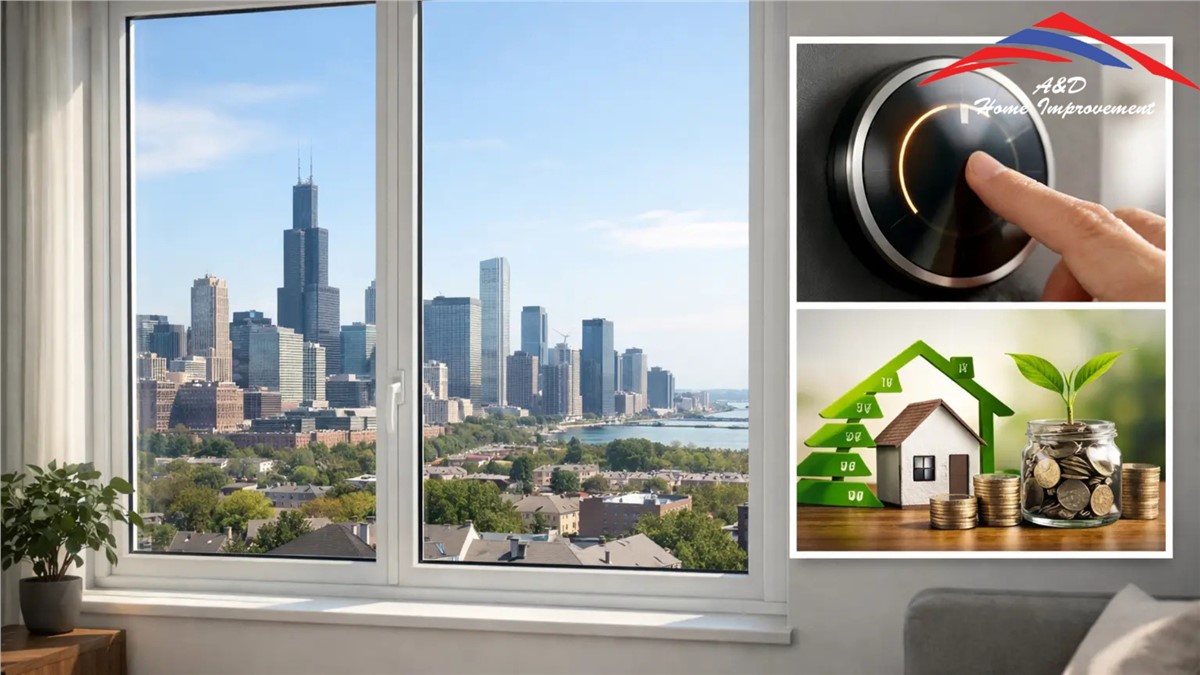
A drafty living room in January, a sun-baked bedroom in July, and rising utility statements are often connected. But can new windows reduce energy bills enough to justify replacement? For many Chicago-area homeowners, the answer is yes - especially when existing windows are old, poorly sealed, single-pane, or difficult to operate. The actual savings depend on the window, the installation, and the condition of the rest of the home.
Replacement windows are not a magic fix for every high bill. A home with inadequate attic insulation, an aging furnace, or major air leaks may need more than one upgrade. Still, well-selected, professionally installed windows can reduce unwanted heat loss in winter, limit solar heat gain in summer, and make rooms noticeably more comfortable year-round.
How New Windows Can Reduce Energy Bills
Windows are one of the thinner barriers between conditioned indoor air and Illinois weather. In winter, heat naturally moves toward the colder outdoors. In summer, hot air and solar radiation work against your air conditioning system. When window glass, frames, weatherstripping, and installation details are underperforming, your HVAC equipment has to run longer to maintain the thermostat setting.
Modern energy-efficient windows address that problem in several ways. Multi-pane insulated glass units create an additional barrier against heat transfer. Low-emissivity, or Low-E, coatings help reflect heat where it is needed. Argon or krypton gas between panes can improve insulating performance, while quality frames and weatherstripping reduce air infiltration around the operating parts of the window.
The benefit is not limited to the utility bill. Rooms near efficient windows tend to have fewer cold drafts, less glass condensation, more stable temperatures, and better protection from harsh afternoon sun. Those comfort improvements matter in Chicago suburbs, where a window can face below-freezing temperatures, heavy wind, summer humidity, and intense sunlight within the same year.
The Biggest Factors Behind Window Energy Savings
Energy savings are not determined by the word “efficient” on a product brochure. Performance comes from the complete window system and how it fits your specific home.
Glass package and U-factor
A window’s U-factor measures how readily it transfers heat. Lower numbers generally mean better insulation. For homes in the Chicago area, a lower U-factor can be particularly valuable because heating demand is significant for much of the year.
Double-pane glass is a substantial improvement over single-pane windows. Triple-pane glass can provide even greater insulation and may be worth considering for exposed elevations, bedrooms, or homeowners who prioritize comfort and reduced exterior noise. The trade-off is a higher upfront cost, so it is best evaluated against the home’s layout, budget, and long-term plans.
Solar heat gain and window orientation
The Solar Heat Gain Coefficient, commonly called SHGC, describes how much solar heat passes through a window. A lower SHGC can help control summer overheating, particularly on large west- and south-facing exposures.
However, lower is not automatically better for every opening. Some winter sun can be helpful, while an overly tinted or low-SHGC glass choice may make a room feel darker. The right glass package balances winter heat retention, summer comfort, daylight, and the direction each window faces.
Air leakage around the window
A window can have strong glass ratings and still waste energy if air moves around the sash, frame, or rough opening. Homeowners often notice this as a cold draft, a rattling window during wind, or dust collecting near trim.
Professional installation is critical. The old window must be removed carefully, the opening evaluated, gaps properly sealed and insulated, flashing details addressed when needed, and the replacement unit set level and square. Poor installation can undermine the performance of a premium product and create moisture concerns that cost far more than extra heating energy.
Frame construction and condition
Frames play a major role in thermal performance. Quality vinyl, fiberglass, wood, and composite window systems each have different strengths related to insulation, durability, maintenance, appearance, and price. The best choice depends on the architecture of the home and the homeowner’s priorities.
More importantly, the frame must be structurally sound and properly integrated with the wall. Rotting wood, failing caulk, water staining, or soft trim may signal issues beyond the glass itself. Addressing the full opening during replacement protects the investment and helps prevent future air and water intrusion.
When Replacement Windows Make the Most Financial Sense
New windows tend to make the strongest energy case when the current windows are visibly or functionally failing. Common warning signs include fogging between panes, cracked glass, peeling or rotted frames, condensation that persists in cold weather, difficult operation, failed locks, and noticeable drafts.
Single-pane windows are another clear candidate for replacement, particularly in homes where occupants avoid sitting near windows during the winter. Older double-pane units can also lose effectiveness when seals fail or weatherstripping deteriorates.
The project can be especially timely if you are already completing exterior work. Siding replacement may reveal trim damage or air-sealing needs around windows. A roof replacement or attic insulation project can improve the home’s entire thermal envelope. Looking at these systems together often leads to better long-term results than treating each issue separately.
That said, windows are not always the first upgrade with the fastest utility-bill payback. If your attic has minimal insulation or your HVAC system needs service, those improvements may produce meaningful results at a lower initial cost. A trustworthy contractor should help you prioritize rather than suggest replacement simply because a window is old.
What Savings Should Chicago Homeowners Expect?
It is reasonable to expect energy-efficient replacement windows to lower heating and cooling costs when they replace inefficient, leaky windows. It is not reasonable to promise one universal savings number. Utility rates, square footage, thermostat habits, window area, insulation levels, shading, and the efficiency of the furnace and air conditioner all affect the result.
For example, a homeowner replacing 25 failing single-pane windows can see a much different outcome than a homeowner replacing four aging but reasonably tight double-pane windows. A home that is heavily shaded will respond differently than one with expansive west-facing glass. The most reliable expectation is that high-performance windows reduce unnecessary heat transfer and drafts, which reduces the workload on heating and cooling equipment.
Energy savings should also be viewed beside maintenance, comfort, curb appeal, and resale value. New windows may eliminate repeated painting, improve ease of cleaning, strengthen security, and refresh the appearance of a home. Those practical gains are part of the value, even though they do not appear as a separate line on a utility bill.
Choosing Windows for Illinois Weather
Chicago-area homes need windows built for temperature swings, wind-driven rain, snow, and humid summers. Product quality matters, but local installation experience matters just as much. The right window should fit the opening, meet performance needs, complement the home’s style, and be backed by reliable manufacturer and workmanship warranties.
When comparing proposals, ask what glass package is included, whether the windows are double- or triple-pane, how the openings will be insulated and sealed, and what warranty applies to both the product and installation. Make sure the quote clearly identifies the scope of work rather than relying on broad terms such as “energy efficient.”
A&D Home Improvement helps homeowners evaluate replacement window options based on their home’s condition, budget, and performance goals. Certified installation practices and premium window options help ensure that the investment is designed for local weather, not just a showroom display.
Start With the Windows You Notice Every Day
If you close the blinds to block a cold draft, avoid a particular room in winter, or keep turning down the thermostat because a sunny room overheats, your windows are already giving you useful information. A professional evaluation can identify whether replacement windows, air sealing, insulation, or a combination of improvements will deliver the comfort and energy performance your home needs.
The best next step is not to chase a promised percentage of savings. It is to choose a window system and installation team that will make your home quieter, tighter, more comfortable, and better prepared for the next Chicago winter.
Subscribe to A&D Home Improvement's Blog