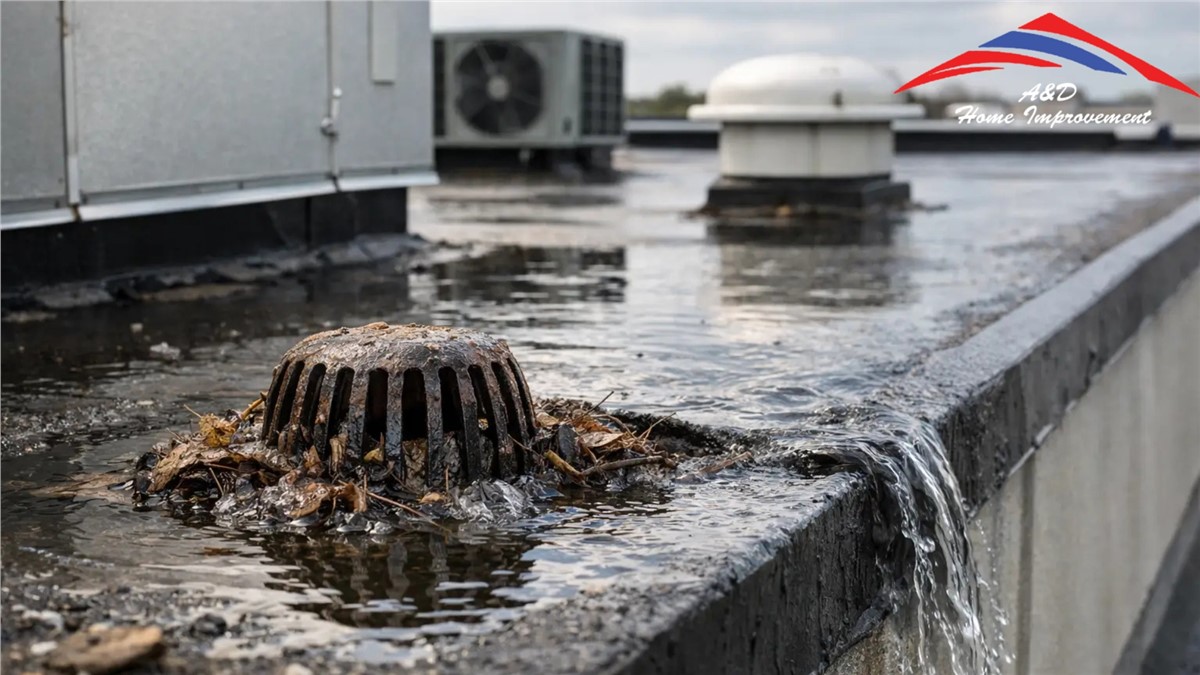
A roof problem rarely starts with a dramatic collapse. More often, it shows up as a leak above a tenant space, rising energy bills, blistering on the membrane, or standing water that keeps coming back after every storm. That is why a commercial roofing systems guide matters for property owners and managers in the Chicago suburbs. The right system protects the building, supports long-term budgeting, and holds up against freeze-thaw cycles, wind, hail, and heavy seasonal rain.
Choosing a commercial roof is not just about picking a material. It is about matching the system to the building’s structure, usage, exposure, maintenance expectations, and budget. A warehouse, retail center, office building, and multifamily property may all need very different solutions, even if they are in the same zip code.
What this commercial roofing systems guide should help you answer
Most owners want clear answers to four questions. How long will the roof last, how much maintenance will it need, how well will it perform in Illinois weather, and what will the full cost look like over time.
Those questions matter more than a simple price per square foot. A lower upfront number can become a more expensive decision if the roof needs frequent repairs, causes interior damage, or shortens the life of insulation and decking below it.
The main commercial roofing systems to know
TPO roofing
TPO is one of the most common commercial roofing choices for low-slope buildings. It is a single-ply membrane known for energy efficiency, heat-welded seams, and relatively strong value for the cost. For many commercial properties, TPO hits a practical middle ground between performance and budget.
Its reflective surface can help reduce heat absorption, which is useful on buildings with large roof areas. Proper installation matters a great deal, though. Seam quality, edge securement, and flashing details often determine whether a TPO roof performs well for years or develops problems early.
EPDM roofing
EPDM is a rubber membrane that has been used for decades on commercial buildings. It is known for durability and weather resistance, especially in climates with temperature swings. In the Midwest, that track record is one reason many owners still consider it a dependable option.
EPDM is typically black, so it absorbs more heat than reflective membranes unless a coated version is used. It can be a smart fit when the priority is proven longevity and a straightforward system, but energy goals and summer heat gain should still be part of the discussion.
PVC roofing
PVC is another single-ply membrane, often selected for buildings that need strong chemical resistance or added protection around grease vents and industrial exhaust. Restaurants, manufacturing spaces, and certain commercial facilities may benefit from PVC more than a standard office or retail property.
It generally costs more than TPO, but the higher price can make sense when the building use demands it. As with any membrane roof, the installer’s skill with seams, penetrations, and drainage details has a direct impact on performance.
Modified bitumen roofing
Modified bitumen is an asphalt-based system designed for low-slope roofs. It can be installed in multiple ways and is often valued for its toughness and multi-layer protection. Owners who want a system with puncture resistance and familiarity in the commercial market often look here.
The trade-off is that it can be heavier and more labor-intensive than some single-ply options. It may be a solid fit for certain buildings, but not every structure is the best candidate depending on deck condition and design.
Metal roofing for commercial properties
Commercial metal roofing is often used on steep-slope sections, industrial properties, mixed-use buildings, and facilities where long service life is a priority. Metal performs well against snow shedding and can offer excellent durability when properly designed and installed.
That said, metal is not one-size-fits-all. Fastener systems, panel profiles, coatings, and insulation design all matter. A low initial bid on metal can lead to problems if expansion and contraction, flashing transitions, or water control details are handled poorly.
How to choose the right system for your building
The best commercial roof is usually the one that fits the building’s needs, not the one that is most popular. Roof slope is the first factor. Low-slope buildings often point toward TPO, PVC, EPDM, or modified bitumen, while steeper sections may be better suited for metal or other specialty systems.
Building use is just as important. If the property has rooftop equipment, service traffic, grease exhaust, or recurring ponding areas, the material choice should account for those realities. A clean office roof and a busy restaurant roof do not face the same demands.
Budget should include more than installation. Consider repair frequency, expected lifespan, energy performance, warranty coverage, and disruption to tenants or operations. Owners who focus only on the initial contract amount often miss the bigger financial picture.
Illinois weather changes the conversation
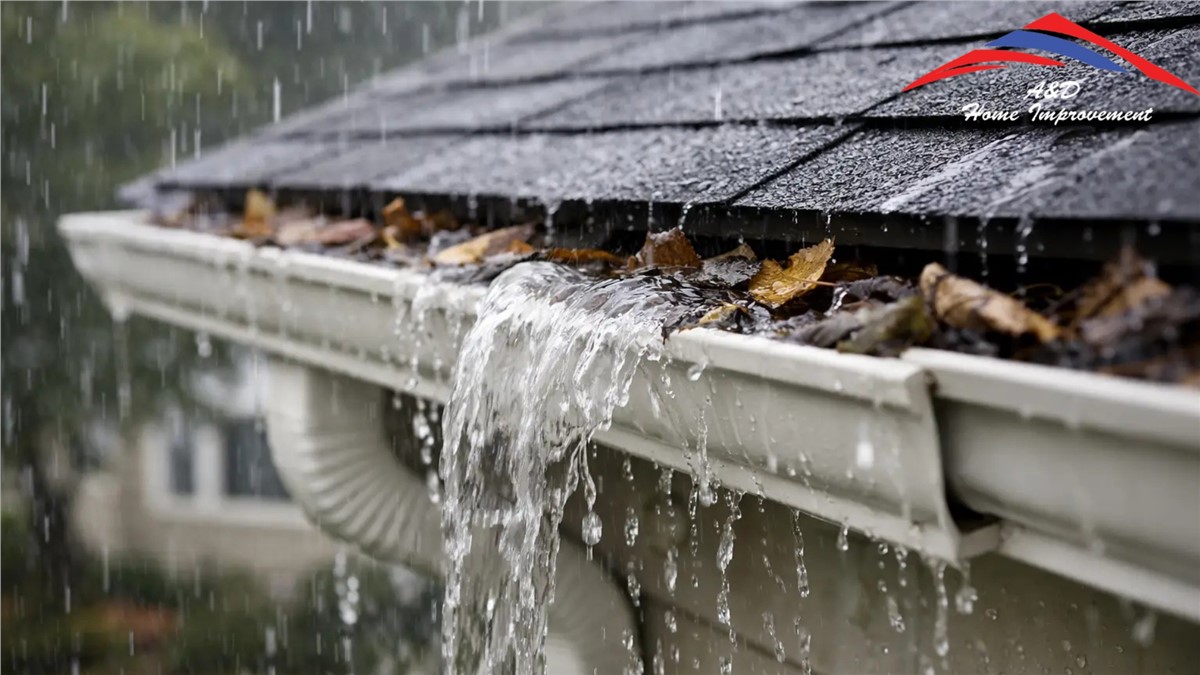
A roof that performs well in a mild climate may not be the right answer in Chicagoland. Snow loads, ice, hail, strong wind, and freeze-thaw movement put real stress on commercial roofing systems. Drainage design becomes especially important because standing water can shorten roof life and increase the risk of leaks.
Wind uplift ratings also matter. Edge metal, fastening patterns, and membrane attachment are not minor details in this region. They are part of what helps a roof stay intact during severe weather.
This is where certified installation standards and manufacturer-approved methods become more than a sales point. They help reduce risk. Property owners need a system designed for local weather and installed with enough precision to perform when conditions are not forgiving.
Repair or replacement?
Not every commercial roof needs full replacement. If the damage is isolated and the system still has service life left, targeted repairs may be the more cost-effective option. That is especially true when seams, flashing, or localized storm damage are the primary issues.
But there is a point where repair spending stops making sense. If leaks keep returning, insulation is saturated, large sections are failing, or the roof is nearing the end of its expected life, replacement often becomes the smarter financial move. Repeated patching can create a cycle of short-term fixes with long-term costs.
An honest inspection should include membrane condition, drainage performance, flashing details, penetrations, insulation moisture concerns, and deck stability. Good recommendations come from the full roof picture, not just the latest leak location.
What affects commercial roofing cost
Material type is only one part of cost. Tear-off requirements, insulation upgrades, roof access, building height, drainage improvements, code compliance, and penetrations all affect the total investment. A simple roof with open access is very different from a busy property with multiple HVAC units, parapet walls, and staging challenges.
Warranty terms can affect pricing too. Strong manufacturer-backed warranties and workmanship coverage may increase initial cost, but they can also lower risk for the owner. For many commercial clients, that added protection is worth it, especially when protecting tenant spaces or business operations.
Financing can also change how owners approach timing. Waiting too long often increases damage and cost. A planned replacement with financing is usually easier to manage than an emergency project after major interior loss.
Why installation quality matters as much as the material
A high-end membrane installed poorly will underperform. A well-matched system installed by a qualified contractor usually delivers better long-term value than a premium product attached to rushed workmanship. Commercial roofing success comes down to details like seam integrity, substrate preparation, flashing execution, drainage correction, and manufacturer compliance.
That is why certifications, documented experience, and warranty support deserve attention during contractor selection. Owners should want clear scopes, realistic timelines, and direct answers about how the system will handle the building’s specific conditions.
For property owners in the Chicago suburbs, working with a contractor that understands local weather and building demands can make a measurable difference. A&D Home Improvement approaches commercial roofing with that mindset - matching the system to the property, following certified installation practices, and focusing on long-term performance rather than quick fixes.
Commercial roofing systems guide: what owners should do next
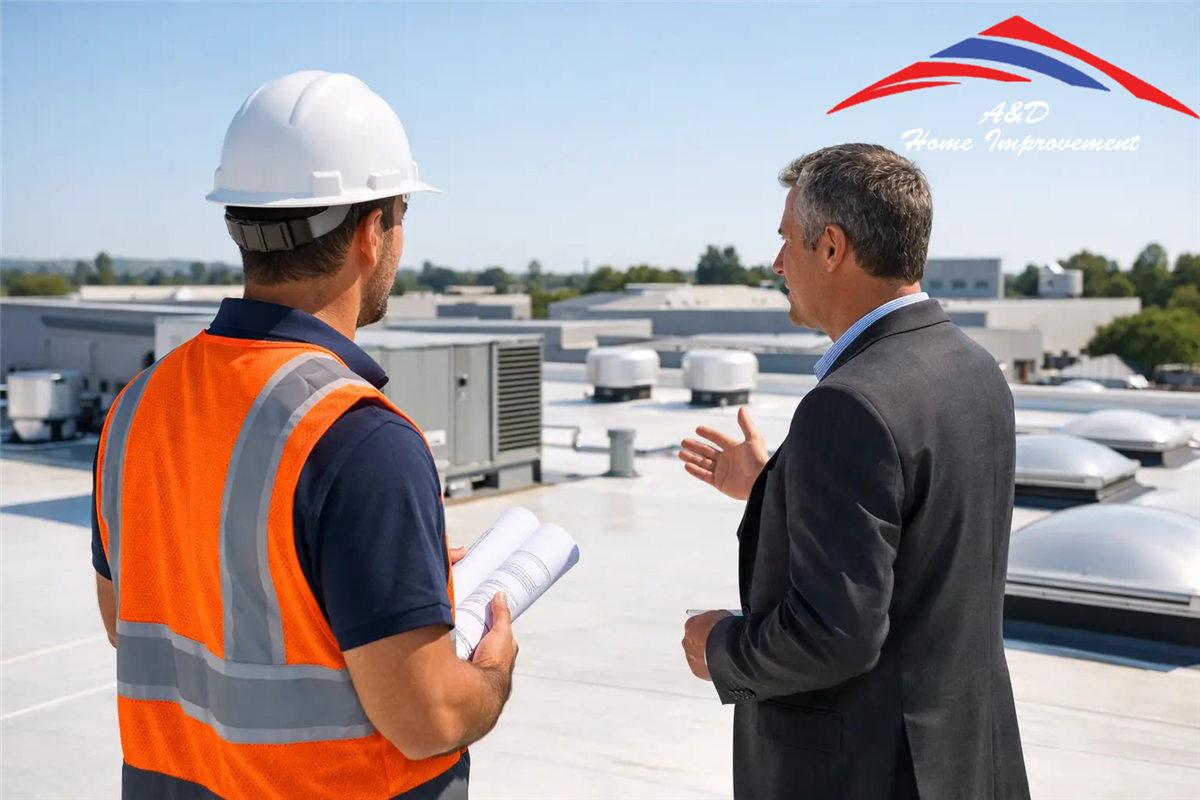
If your building is showing signs of wear, the next step is not guessing from the ground. It is getting a professional roof evaluation that looks at condition, drainage, storm exposure, and remaining service life. The best time to make a roofing decision is before active leaks start affecting tenants, inventory, equipment, or daily operations.
A commercial roof should give you confidence, not another maintenance headache on the calendar. When the system is chosen carefully and installed the right way, it supports the value of the entire property and gives you one less thing to worry about when the next Illinois storm rolls in.
Subscribe to A&D Home Improvement's Blog