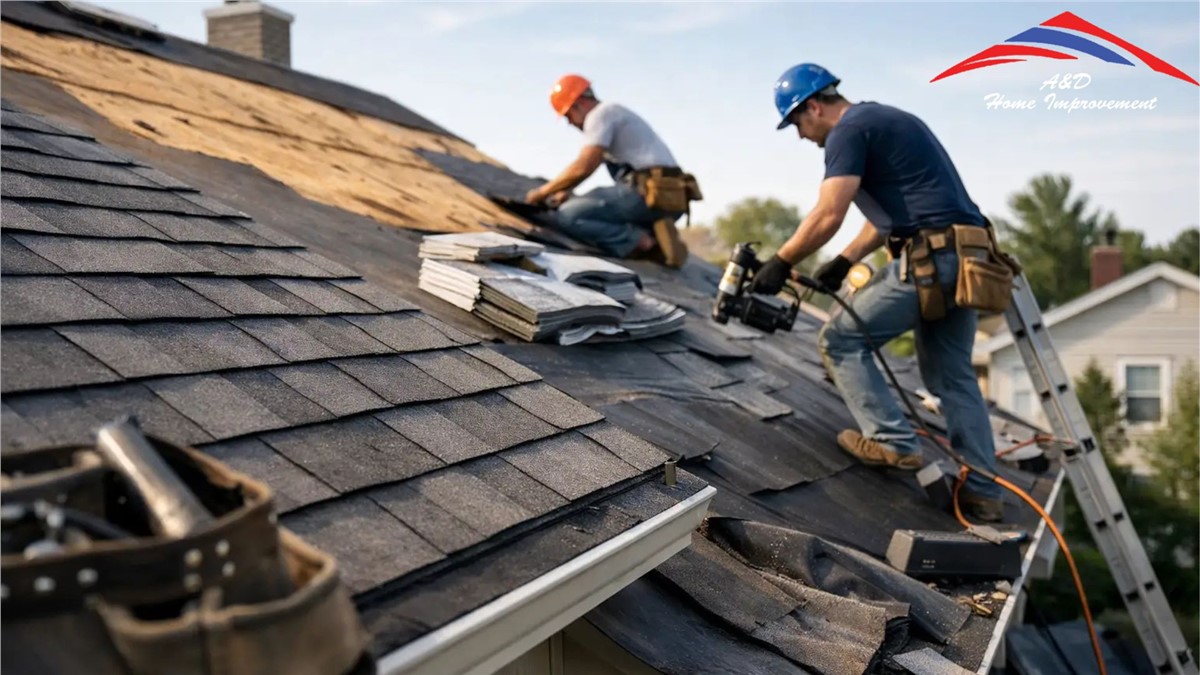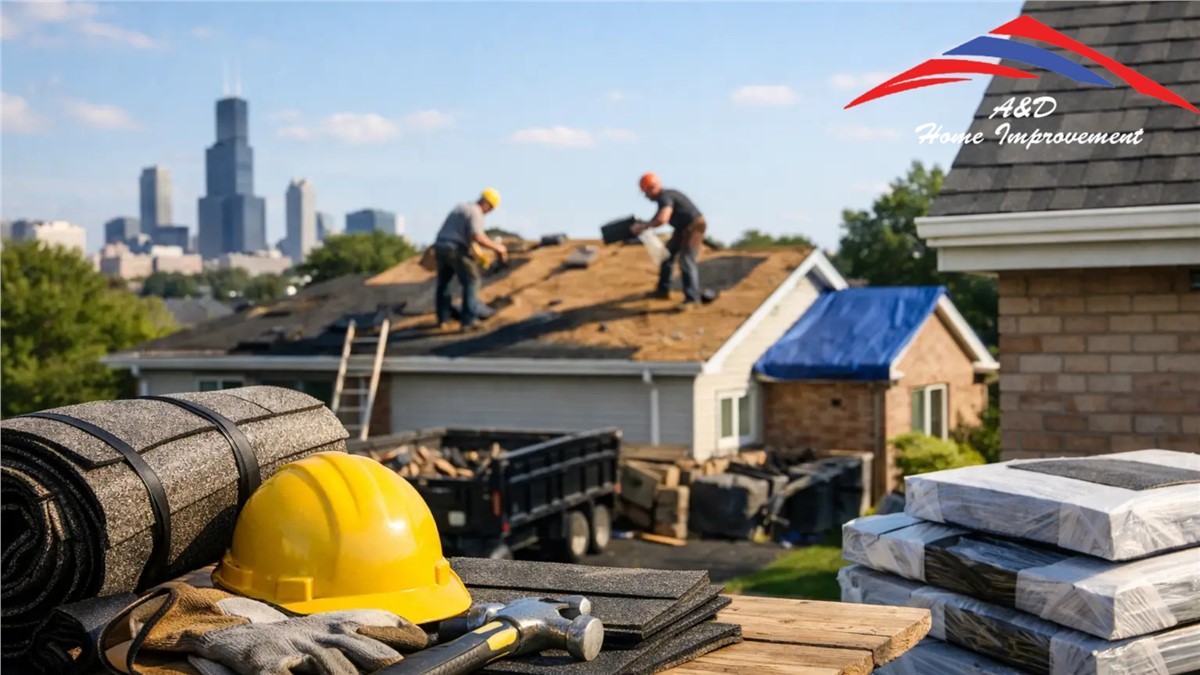
A roof replacement is one of the most valuable improvements you can make to a Chicago-area property, but the installation day can feel disruptive without a plan. Knowing how to prepare for roof replacement helps protect your home, keeps the crew working efficiently, and gives you more confidence from the first delivery through final cleanup.
In the Illinois climate, timing matters. A quality roofing contractor will monitor forecasts, protect exposed areas if conditions change, and follow manufacturer installation requirements. Homeowners can make the project easier by clearing access, securing belongings, and addressing a few practical details before the first shingle comes off.
Confirm the Scope Before Materials Arrive
A replacement roof is more than a new layer of shingles. The complete system may include underlayment, ice and water protection, ventilation components, flashing, pipe boots, drip edge, and new gutters or guards when needed. Before work begins, review the proposal so you understand exactly what is included and what may require approval if hidden damage is found.
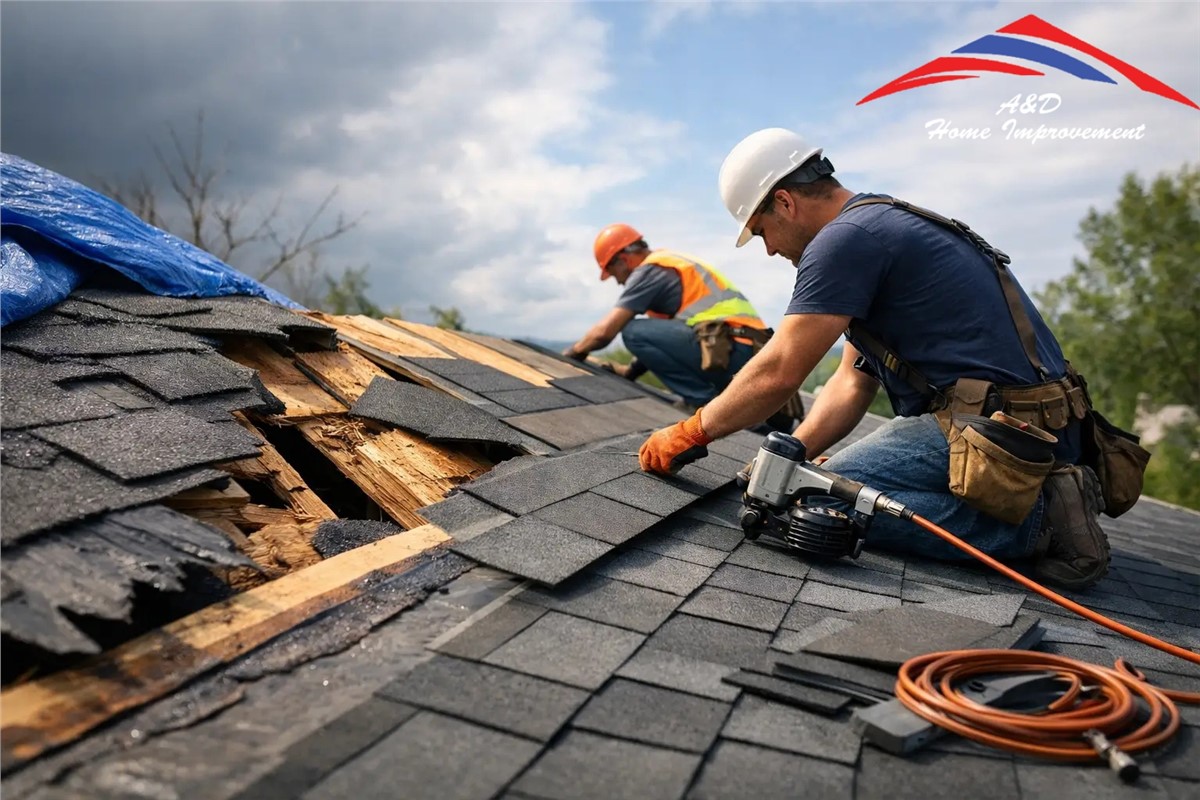
Ask your contractor how they will handle rotted decking, deteriorated fascia, chimney flashing, or storm-related damage discovered after tear-off. Reputable contractors document these conditions and discuss the recommended repair before proceeding. This is especially important on older suburban homes, where previous roofing layers or moisture problems may not be visible from the ground.
You should also confirm the project schedule, expected work hours, where the dumpster and material delivery will be placed, and who your primary point of contact will be. A clear plan prevents avoidable surprises and makes it easier to coordinate with family members, tenants, neighbors, or property managers.
Protect the Outside of Your Property
Roofing requires crews, ladders, material bundles, and debris-management equipment around the home. Create a clear, safe work area before the scheduled installation date. Move vehicles out of the garage and away from the driveway, ideally to the street or another accessible location. This protects vehicles from falling debris and ensures the crew can reach the roofline and disposal container without delays.
Take time to clear the areas immediately around the house. Patio furniture, grills, planters, lawn ornaments, garden tools, and children's play equipment should be moved away from exterior walls. If you have delicate landscaping, point it out during the pre-project walkthrough. Crews can take reasonable protective measures, but branches, shrubs, and flower beds located directly below roof edges may still be exposed to normal work activity.
Keep gates unlocked and remove obstacles from side yards so roofers can safely carry materials and perform cleanup. If a gate has a lock, keypad, or special latch, provide access instructions before the team arrives. For homes with a pool, hot tub, or pond near the house, discuss protection needs in advance.
Prepare Your Driveway and Garage
The driveway is often used for a dumpster, dump trailer, or material staging. Ask whether protective boards will be used under heavy equipment or containers. While contractors take precautions, asphalt and concrete can be vulnerable to weight, especially during hot weather or on older surfaces.
Inside the garage, cover items near the walls or rafters with a tarp or drop cloth. Roofing vibration can shake loose dust and debris from open framing, shelving, or stored items. If you need to leave during the day, park where you can exit without asking the crew to move trucks or equipment.
Prepare the Inside for Noise and Vibration
Roof replacement is noisy. Tear-off, nail guns, footsteps, and material movement can be heard throughout the home, particularly on the top floor. The vibration is normal, but it can affect wall décor, shelves, attic storage, and fragile items.
Remove or secure pictures, mirrors, and hanging decorations on walls and ceilings, especially on the upper level. Move fragile collectibles away from shelves. If your attic is used for storage, cover belongings with plastic sheeting or old blankets. Small pieces of roofing debris and dust can fall through gaps around decking, vents, or attic access points during removal.
Plan work-from-home schedules carefully. Video calls, naps, studying, and meetings requiring quiet concentration may be difficult while the roof is being replaced. If possible, arrange to work elsewhere for the noisiest portion of the project. The same applies to infants, older adults who need a calm environment, and anyone sensitive to loud sound.
Make a Plan for Kids and Pets
Children should know that the work zone, ladders, equipment, and dumpster are off-limits. The jobsite may look interesting, but it is not a safe place to play. Keep toys and bikes away from the driveway and yard until the crew completes final cleanup.
Pets often react strongly to roofing noise. Dogs may bark continuously, become anxious, or try to escape when workers enter and leave the property. Cats may hide in unusual places. Consider arranging daycare, boarding, or a visit with family for the day. If pets remain home, keep them indoors in a quiet room away from exterior doors, and let the project manager know about any gate, pet, or access concerns.
Address Attic, Ventilation, and Power Details
A roof performs best when the attic is dry, properly insulated, and ventilated according to the home’s design. Before installation, tell your contractor if you have noticed attic condensation, musty odors, mold concerns, ice dams, unusually high energy bills, or uneven temperatures upstairs. These issues do not always require a roof replacement solution alone, but they should be evaluated as part of the project.
Avoid blocking attic access on installation day. The crew may need to inspect ventilation paths, roof decking conditions, or bathroom and kitchen exhaust connections. Exhaust vents should discharge outdoors, not into the attic, where warm humid air can contribute to moisture damage.
You may also need to provide access to an exterior power outlet. Confirm this in advance, and make sure the outlet is working. If you have security cameras, exterior speakers, landscape lighting, or satellite equipment near the roofline, discuss them before work begins. Some equipment may need temporary removal or adjustment to complete the installation correctly.
Prepare for Cleanup Without Expecting Perfection at Every Moment
Professional roofing crews use tarps, debris-catching methods, and magnetic nail sweeps to protect the property and collect stray fasteners. Still, roof replacement is active construction. During the day, there will be material stacks, old shingles, noise, and foot traffic around the home.
Keep windows closed to limit dust entering the house. If you have an irrigation system, turn it off for the workday so wet grass and muddy conditions do not complicate cleanup. Let the contractor know if there are underground sprinkler heads, invisible pet fences, septic components, or other features that should not be disturbed.
After the work is complete, walk the property with the project representative if that is part of the contractor’s process. Look at the roof from the ground, inspect gutters and downspouts, and check that landscaping and exterior features are in order. It is reasonable to ask questions about ventilation, flashing, workmanship coverage, and manufacturer warranty registration.
A Simple Roof Replacement Readiness Checklist
The day before installation, make sure you have handled the essentials:
- Move vehicles, patio items, and outdoor equipment away from the house.
- Unlock gates and clear access to side yards, the driveway, and electrical outlets.
- Secure wall hangings and cover items stored in the attic or garage.
- Arrange a quiet place for pets and plan around construction noise.
- Confirm the schedule, contact person, material delivery location, and any known property concerns.
- Review insurance documentation if the project involves hail or wind damage.
If your roof replacement follows a storm claim, keep copies of your insurance estimate, photos, and contractor documentation available. The scope approved by the insurer may differ from the final construction needs, particularly if code-required upgrades or concealed damage are involved. Clear documentation helps prevent confusion and supports a more organized restoration process.
How to Prepare for Roof Replacement With Confidence
The best preparation is a combination of practical planning and choosing a contractor with a defined process. Price matters, but so do certified installation standards, product quality, ventilation expertise, cleanup procedures, and workmanship warranty coverage. A lower initial bid can become more expensive if it leaves out essential system components or fails to address the details that protect a roof through snow, wind, hail, and freeze-thaw cycles.
For homeowners and property managers in the Chicago suburbs, A&D Home Improvement helps make the process more predictable with clear project communication, certified installation practices, and exterior solutions designed for local weather. A well-prepared property allows your roofing team to focus on what matters most: installing a durable system that protects the building long after the jobsite is gone.
Before installation day, take one final walk around your home, remove what could be damaged, and write down any questions. Those few minutes of preparation can make the project feel far less disruptive and help set the stage for a roof you can rely on for years.
Subscribe to A&D Home Improvement's Blog