A storm moves through fast. The damage does not. One section of lifted shingles, a small roof leak, or hail bruising you cannot see from the ground can turn into interior water damage, insulation problems, mold growth, and a much larger repair bill. If you are searching for the best roofing contractor for storm damage, the right choice is not just about who can show up first. It is about who can inspect accurately, document clearly, repair correctly, and protect your property for the long term.
In the Chicago suburbs, that standard matters even more. Roofs here take a beating from hail, high winds, driving rain, ice, and freeze-thaw cycles that expose weak spots fast. After a storm, property owners need more than a quick patch. They need a contractor who understands storm restoration, local building requirements, product performance, and the insurance side of the process.
What makes the best roofing contractor for storm damage?
The best roofing contractor for storm damage does three things well from the start. First, they identify the full scope of damage, not just the obvious areas. Second, they explain whether repair or replacement makes more financial sense. Third, they back their work with proven installation standards, strong warranties, and clear communication.
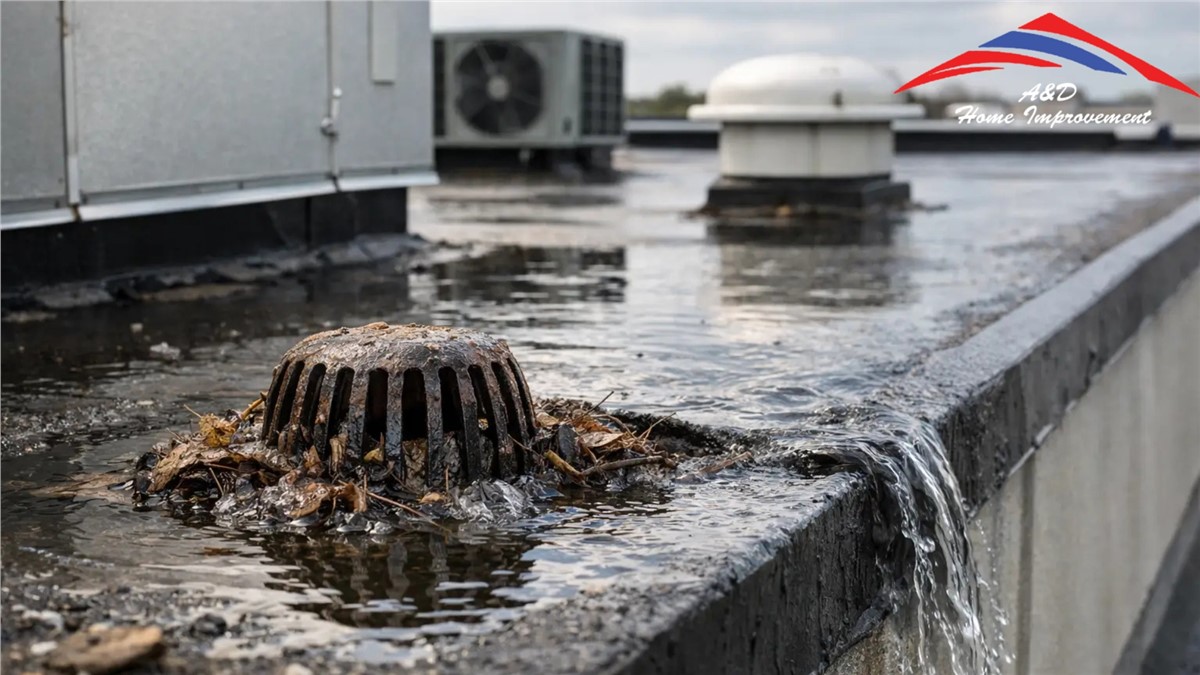
That may sound simple, but storm claims often get messy. Some roofs have visible hail hits but hidden underlayment issues. Some have wind damage that looks minor until decking or flashing is inspected closely. On commercial buildings, drainage and membrane integrity can complicate the scope even further. A dependable contractor knows how to separate cosmetic concerns from functional damage and give you a recommendation based on actual roof condition.
Credentials matter here. Manufacturer certifications, insurance restoration experience, and a solid local track record are stronger indicators than a low quote or a fast sales pitch. Storm work is not the time to gamble on shortcuts.
Storm damage roofing is not the same as standard roof replacement
A normal roof replacement is usually planned. Storm restoration is different because timing, documentation, and coordination all matter. The roof may need immediate protection to prevent further damage. Photos and inspection notes may be needed for an insurance claim. Materials have to match code requirements and the roof system that is already in place.
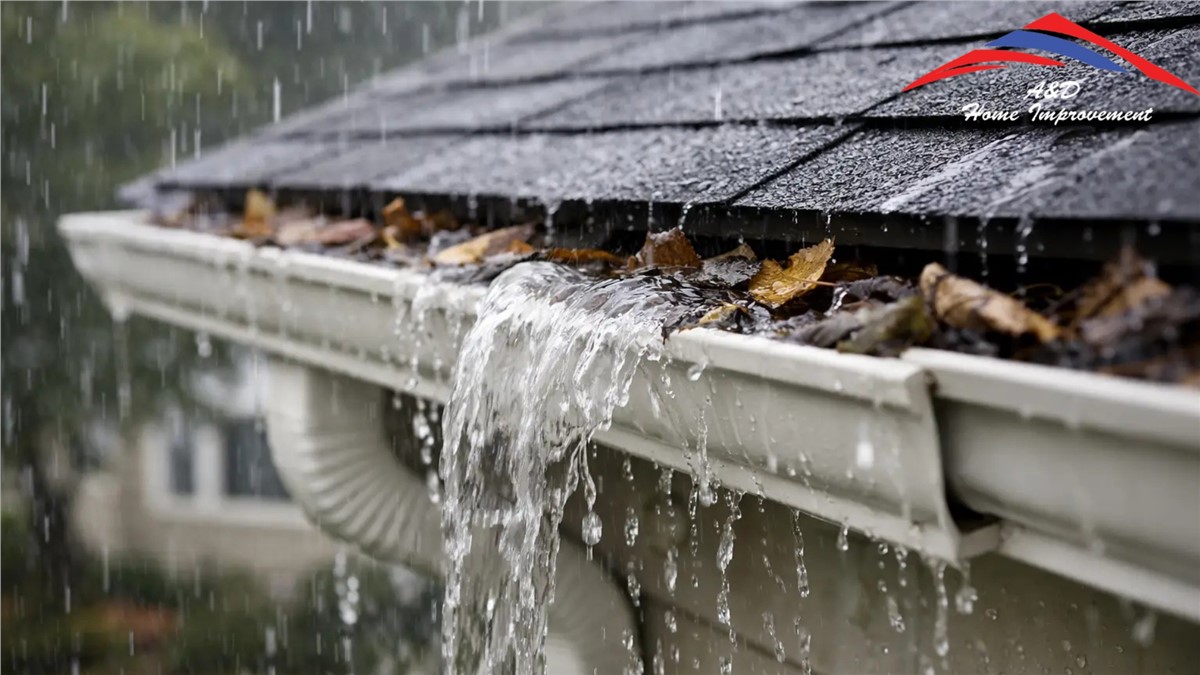
This is why experience matters so much. A contractor that handles storm damage regularly knows how to inspect shingles, flashing, vents, ridge caps, gutters, soffit, fascia, and siding together because storm events rarely damage just one component. If your roof took a hit, your gutter system or siding may have been affected too.
For homeowners, this full-exterior view can save money and reduce future issues. For commercial property owners, it helps avoid disruptions and protects the building envelope as a whole.
Signs you need a storm damage inspection now
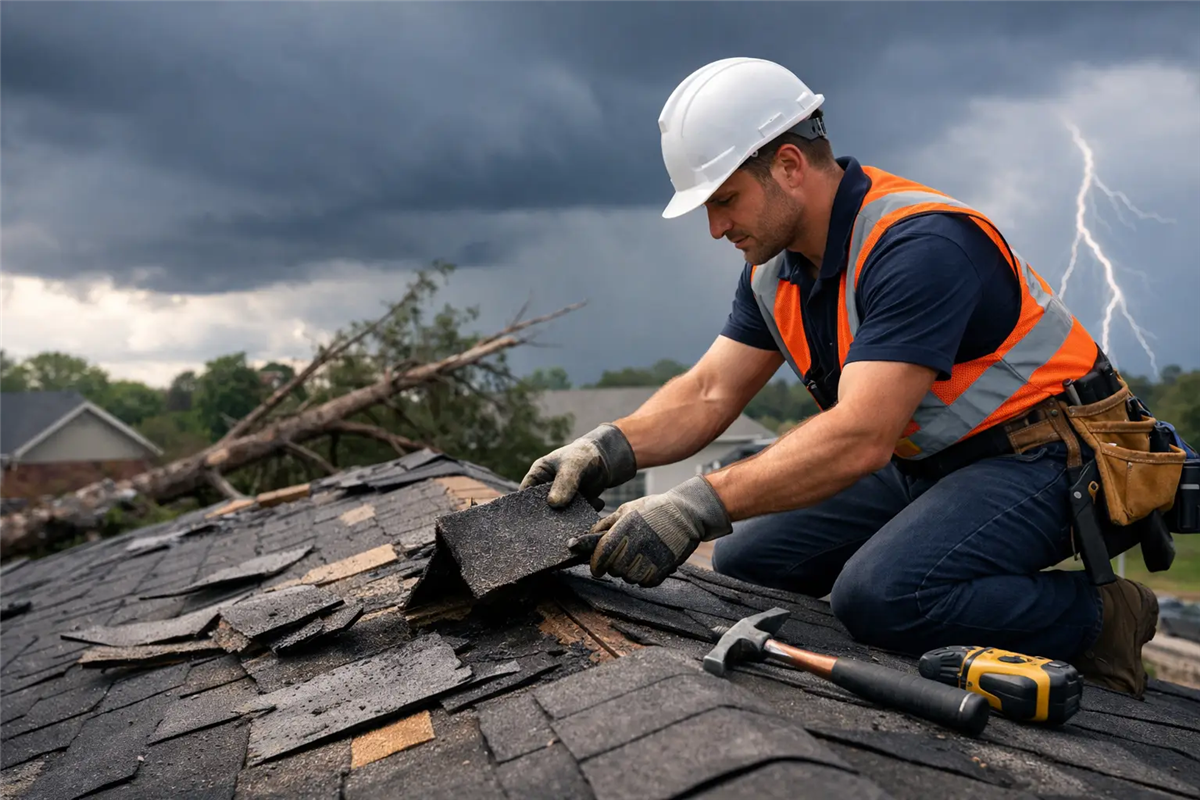
Some signs are obvious, like missing shingles in the yard or a leak in the attic after heavy rain. Others are less noticeable. Granule loss, cracked seal strips, lifted tabs, dented metal components, or flashing separation can all point to storm-related damage.
If your neighbors are getting inspections after hail or wind, that is reason enough to have your roof checked. Storm patterns can be highly localized, and one block can take a much harder hit than the next. Waiting too long can make it harder to connect damage to a specific event, especially if the roof develops additional wear later.
A proper inspection should include more than a quick walk-around. It should assess the roofing material, vulnerable penetrations, drainage paths, and any collateral damage to gutters, siding, or exterior trim. Good documentation is part of a good inspection.
How to compare contractors after a storm
When demand spikes after severe weather, a lot of companies start knocking on doors. Some are reputable. Some are simply chasing storm volume. The difference shows up in the details.
Start with local presence. A contractor serving the Chicago suburban market should understand regional weather patterns, permit requirements, ventilation needs, and the product performance issues that come with Illinois winters and storm seasons. A local company is also more likely to be around if you need follow-up service.
Next, look at certifications and workmanship standards. Elite certifications from major manufacturers are not just marketing badges. They typically reflect training, installation accountability, and access to stronger warranty options. That matters because a roof system is only as good as the installation behind it.
Then ask how they handle insurance-supported projects. The best contractors do not promise unrealistic outcomes, and they do not encourage shortcuts. They help document damage, explain the scope, and work professionally within the claims process. That keeps the project moving while reducing confusion.
Finally, compare what is included. A cheaper proposal may leave out key items like flashing replacement, underlayment upgrades, ventilation corrections, or gutter tie-ins. A thorough quote often protects you better than the lowest number on paper.
Repair or replacement depends on the full picture
Not every storm-damaged roof needs full replacement. If damage is isolated and the roofing system still has solid remaining life, a targeted repair may be the smarter option. That is especially true when matching materials is possible and the underlying structure is in good shape.
But there are times when replacement is the better long-term move. Widespread hail impact, repeated wind damage, older shingles, compromised decking, or multiple failing roof components can make patchwork repairs less cost-effective. If you repair one section on an aging roof, another issue may surface next season.
A trustworthy contractor will walk you through those trade-offs. They should explain what is damaged today, what could become a problem later, and how warranty coverage and product selection affect your options. That kind of guidance builds confidence because it gives you a decision based on value, not pressure.
Why warranties and installation quality matter after a storm
Storm restoration is high stakes. If the roof is not installed correctly, the next major weather event will find those weaknesses quickly. That is why warranty coverage should be part of the conversation from the beginning.
There are two sides to protection. One is the manufacturer warranty on materials. The other is the workmanship warranty from the contractor. Both matter. Premium roofing products perform best when installed according to manufacturer specifications, especially in climates with wind exposure, ice, temperature swings, and heavy rainfall.
A contractor that follows certified installation standards is usually better positioned to deliver both immediate performance and long-term protection. That matters for homeowners protecting resale value and for commercial owners trying to control maintenance costs over time.
Financing and project planning can be part of a smart storm recovery
Even when insurance is involved, out-of-pocket costs can still be a factor. Deductibles, uncovered upgrades, or related exterior work can add up quickly. That is why financing options matter for many property owners.
The best roofing contractor for storm damage understands that speed matters, but affordability matters too. If the roof needs replacement and your siding, gutters, or insulation were also affected, it may make sense to plan improvements together instead of handling them in phases. That depends on budget, claim scope, and the age of the other exterior systems.
A well-structured contractor will help you think through those decisions without making the project feel more complicated than it needs to be. Clear scheduling, defined scope, and realistic pricing go a long way after a stressful storm event.
Choosing a contractor you can trust locally
In a storm-damage market, trust is built on proof. Reviews, past project results, certifications, warranty support, and a clear process all matter because they reduce risk. You want a contractor who can inspect carefully, communicate clearly, and complete the work to a standard that holds up in real Midwest weather.
That is where a company like A&D Home Improvement stands out for many Chicago-area property owners. The combination of certified installation, premium product partnerships, full-service exterior expertise, and insurance restoration support addresses what storm-damaged properties actually need - not just a quick fix, but durable protection.
The right contractor should leave you feeling informed, not rushed. Storm damage is stressful enough. When the inspection is honest, the scope is clear, and the workmanship is built to last, the next step gets a lot easier. If your roof has been through hail, wind, or heavy storm exposure, getting a professional evaluation now is often the fastest way to protect both your property and your peace of mind.
Subscribe to A&D Home Improvement's Blog