A house with uneven room temperatures, ice dams along the roof edge, or rising utility bills usually has a problem that starts above the ceiling. In many Chicago-area homes, attic insulation and roof ventilation are either out of balance or were never designed to work together in the first place. When that happens, comfort drops, energy costs climb, and the roof system takes on avoidable stress.
Why attic insulation and roof ventilation matter together
Homeowners often think of insulation as the material that keeps heat inside during winter and outside during summer. That is only part of the job. Insulation slows heat transfer, while ventilation helps regulate attic temperature and moisture. If one is doing its job and the other is not, the whole system underperforms.
A well-insulated attic helps the living space stay more comfortable and reduces strain on your HVAC system. Proper roof ventilation allows outside air to move through the attic so trapped heat and moisture can escape. In a climate like Illinois, where homes deal with humid summers, freezing winters, and rapid weather swings, that balance matters.
Too much focus on insulation without proper airflow can create moisture buildup. Too much ventilation with weak insulation can still leave you with heat loss and cold spots. The goal is not choosing one over the other. It is making sure both are designed as one system.
What goes wrong when the attic system is out of balance
When attic performance is poor, the warning signs usually show up in ways homeowners can see and feel. Bedrooms over the garage may stay too hot in summer or too cold in winter. Snow may melt unevenly on the roof. Ice dams may form at the eaves. In some homes, the attic smells musty or shows signs of condensation on nails, sheathing, or framing.
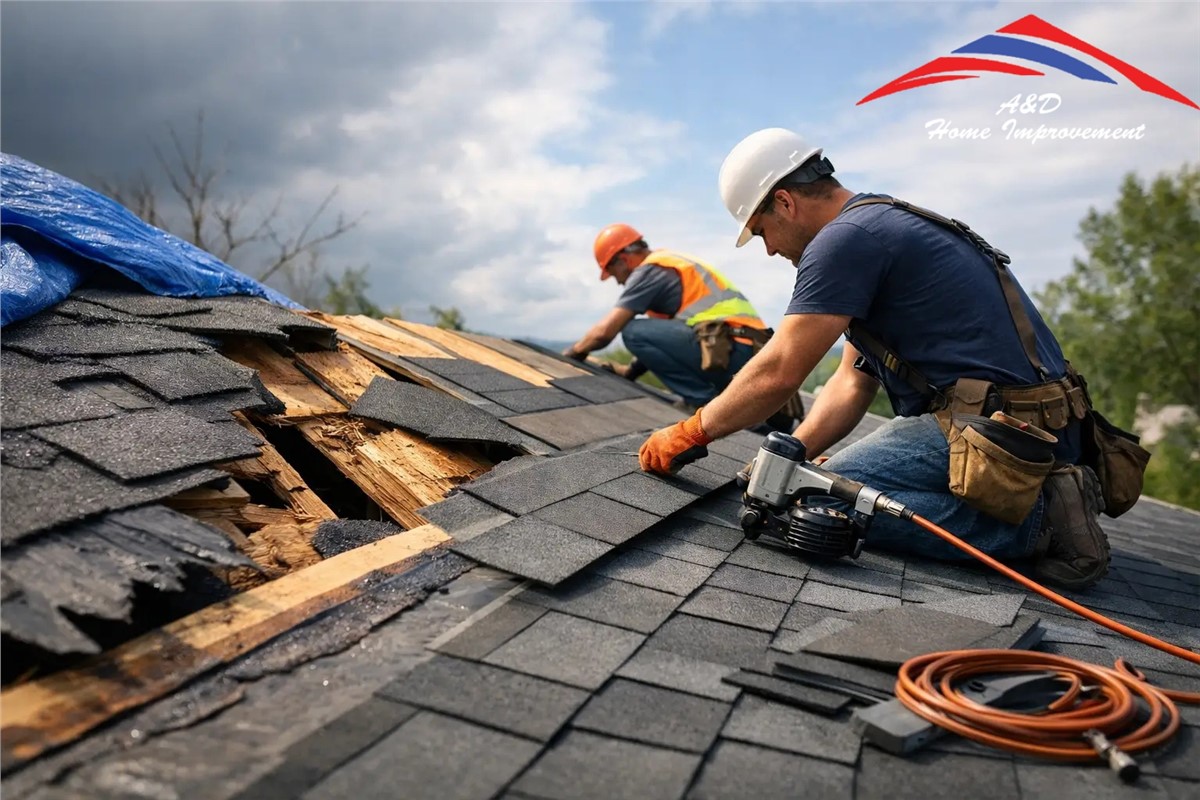
These are not cosmetic issues. They can point to bigger risks such as higher heating and cooling costs, mold growth, reduced shingle life, and moisture damage to the roof deck. In commercial or multi-unit properties, the stakes are even higher because poor attic or roof ventilation can affect tenant comfort, maintenance budgets, and long-term building performance.
One of the most common mistakes is assuming more insulation always solves the issue. Sometimes it does. Sometimes the real problem is blocked soffit vents, missing intake, poorly placed exhaust vents, or air leaks from the house into the attic. Good diagnosis matters.
How insulation actually helps your home
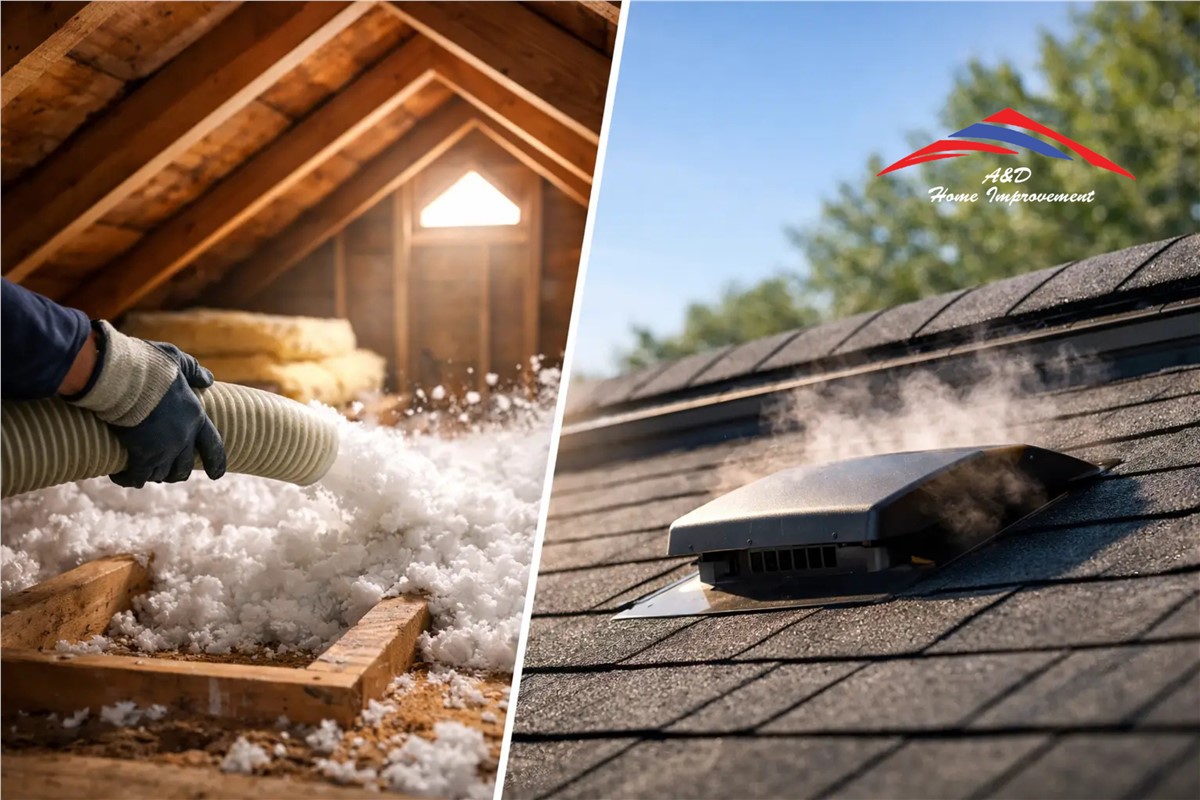
Attic insulation creates a thermal barrier between your conditioned living space and the attic above. In winter, it helps keep heated air where it belongs. In summer, it helps slow attic heat from pushing into the rooms below. That translates to more stable indoor temperatures and less wear on your furnace and air conditioner.
The right insulation level depends on the home, the existing attic conditions, and local code expectations. Older homes in the Chicago suburbs are often under-insulated by today’s standards. Even when insulation is present, it may be compressed, uneven, wet, or interrupted around penetrations and framing.
Air sealing is part of the equation too. If warm, moist indoor air leaks into the attic through recessed lights, plumbing chases, attic hatches, or wiring penetrations, insulation alone cannot fully protect the space. That air can condense in cold weather and create hidden moisture problems. A professional attic assessment should look at both insulation depth and where the home is leaking air.
How roof ventilation protects the attic and the roof
Roof ventilation is designed to keep air moving through the attic. In most homes, that means cooler outside air enters through soffit or intake vents and warmer, moisture-laden air exits through ridge vents or other exhaust vents near the top of the roof.
That airflow helps reduce heat buildup in summer and moisture accumulation in winter. Without it, attic temperatures can spike, which may shorten the life of roofing materials and increase cooling costs. In colder months, poor ventilation can contribute to condensation and conditions that lead to mold, wood deterioration, and ice dam formation.
Not every roof design vents the same way. Some homes have complex rooflines, finished attic areas, limited soffit space, or older vent systems that were installed in stages over many years. That is why ventilation should be evaluated based on the roof structure, not guessed at by adding random vents.
Signs your home may need insulation or ventilation upgrades
A few patterns show up again and again in homes with attic issues. If your second floor feels harder to heat or cool than the main level, that is a clue. If you see frost, damp insulation, or staining in the attic during winter, moisture may be trapped. If your shingles seem to age unevenly, the attic may be overheating.
High energy bills can also point to poor attic performance, especially when utility costs keep rising without a clear HVAC problem. And if you have had roof work done before but never looked at the insulation and venting beneath it, there is a chance the roof system is not working as efficiently as it should.
Storm damage can also expose hidden attic weaknesses. After hail or wind events, homeowners often focus on missing shingles or visible exterior damage. That makes sense, but it is also a good time to inspect whether the attic has enough insulation and whether the roof ventilation is supporting long-term performance.
Why the Illinois climate makes this more important
Chicago-area weather is hard on homes. Winter brings freeze-thaw cycles, snow loads, and the potential for ice dams. Summer brings heat, humidity, and attic temperatures that can soar. Spring and fall can swing quickly between damp, cool conditions and warm afternoons.
That climate puts constant pressure on the roofing system and the attic below it. A home that is under-insulated may lose too much heat in winter, which warms the roof deck and melts snow unevenly. A poorly ventilated attic may trap humid air in summer and condensation in winter. The result is a house that costs more to operate and a roof system that may wear out sooner than expected.
For local property owners, this is not just about comfort. It is about protecting a major investment with upgrades that are built for regional weather conditions.
The value of a professional attic evaluation
Attic problems are rarely solved by looking at one component in isolation. A proper evaluation should consider insulation levels, attic airflow, air leaks, roof design, and any signs of moisture or heat stress. That is the difference between a quick patch and a lasting fix.
A qualified contractor can determine whether the home needs more insulation, better ventilation, or both. They can also identify installation mistakes, such as blocked intake vents, mixed vent types that interfere with airflow, or insulation installed in a way that chokes off ventilation at the eaves.
For homeowners who want low-risk decisions, this matters. You are not just paying for material. You are paying for a system that should perform reliably through every season. That is especially important when the work is tied to roof replacement, storm restoration, or broader exterior improvements.
What to expect from the right solution
The best result is not an attic packed with as much material as possible or a roof covered in extra vents. The best result is a balanced system. That usually means proper air sealing, adequate insulation for the home, clear intake ventilation, and effective exhaust ventilation matched to the roof design.
When those parts work together, most homeowners notice the difference in practical ways. Rooms feel more even. Utility costs become easier to manage. The attic stays drier. The roof system gets better support from below. Those are meaningful gains, especially for families planning to stay in their home or owners managing long-term property value.
At A&D Home Improvement, attic and roofing performance are approached with that bigger picture in mind because the exterior system works best when every layer supports the next. If your home shows signs of heat loss, moisture issues, or poor airflow, the smartest next step is not guessing. It is getting a clear assessment and fixing the source before a small attic problem turns into a larger roofing expense.
A more comfortable home often starts in the space you rarely see, and getting that space right can pay off every season.
Subscribe to A&D Home Improvement's Blog