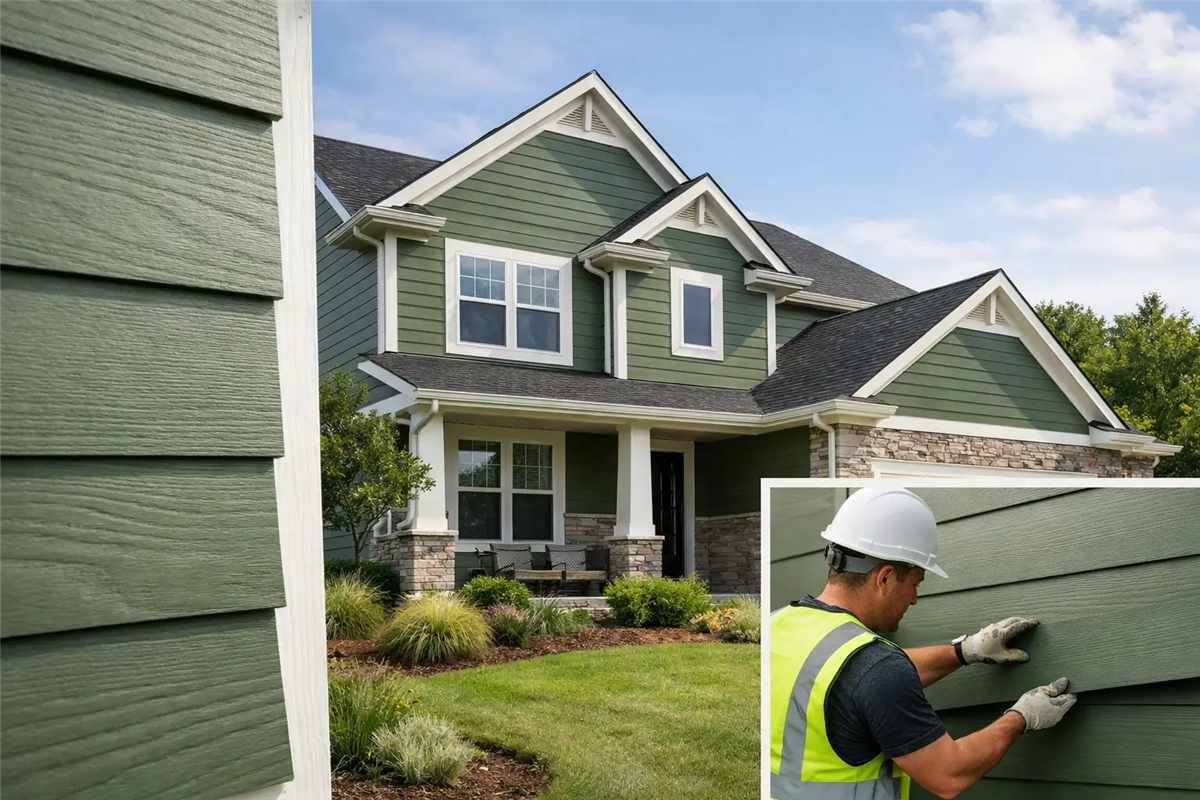
A siding decision in the Chicago suburbs has to hold up to more than looks. Between deep winter freezes, humid summers, strong winds, hail, and constant temperature swings, homeowners need an exterior that can protect the house without becoming a maintenance problem. That is why james hardie siding benefits stand out so clearly for Illinois properties.
James Hardie siding is a fiber cement product built for long-term exterior performance. For many homeowners, the appeal comes down to a simple question: will this siding keep its appearance, resist weather damage, and deliver value over time? In many cases, the answer is yes - especially when the product is matched with professional installation and the right design for the home.
Why James Hardie siding benefits matter in Illinois
Not every siding material handles Midwest weather the same way. Some options can crack in cold weather, warp during heat waves, or require frequent repainting to stay presentable. Fiber cement has earned attention because it addresses many of those common frustrations while giving homeowners a more substantial, finished look.
One of the biggest James Hardie siding benefits is durability. Fiber cement is engineered to resist moisture, pests, and fire better than many traditional siding materials. That matters in a region where siding is exposed to snow, ice, rain, high winds, and summer sun within the same year.
Another major advantage is consistency. Homeowners are not just buying a style - they are buying a system designed to perform. When the siding, trim, soffit, and installation details are handled correctly, the result is a cleaner exterior envelope and a stronger long-term investment.
Strong weather resistance for Chicago-area homes
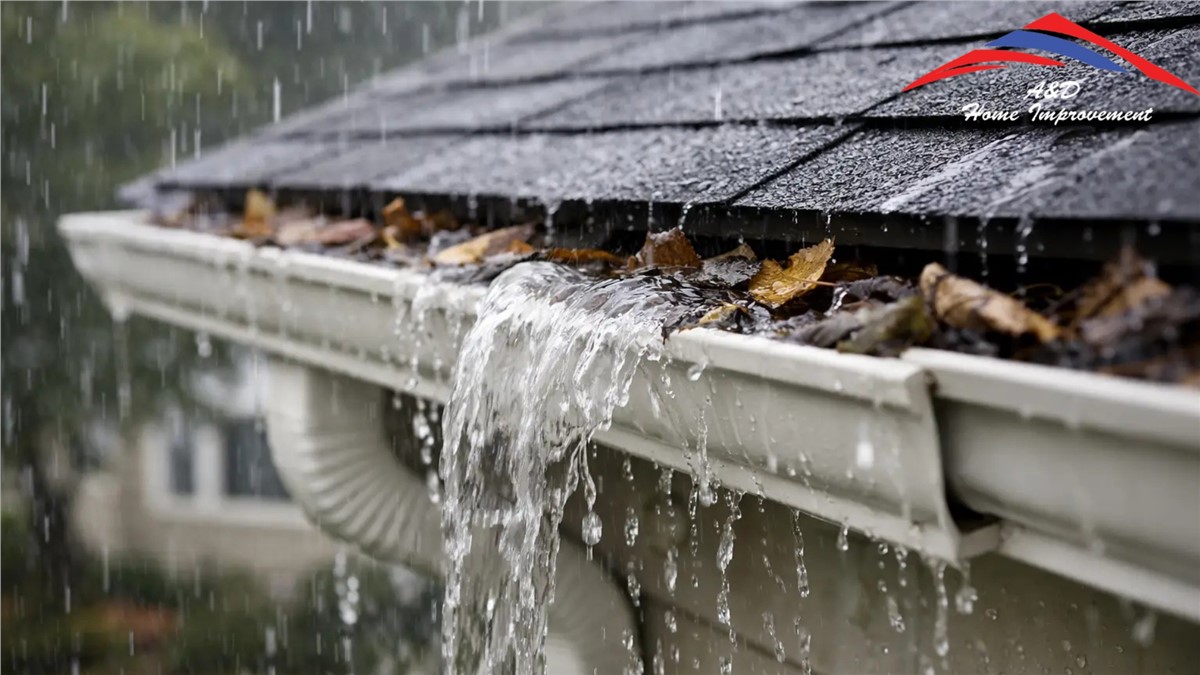
Illinois weather can be hard on exterior materials. Freeze-thaw cycles are especially rough because moisture can work into vulnerable spots and expand as temperatures drop. Over time, lower-grade products may show swelling, cracking, or surface failure.
James Hardie siding is manufactured to stand up to demanding conditions, which is one reason it is a strong fit for homes in the Chicago suburbs. It does not behave like wood, so it is not prone to rot the same way natural wood siding can be when moisture becomes a recurring issue. It also offers greater dimensional stability than some lower-end materials that may shift or distort under temperature stress.
That does not mean any siding is damage-proof. Severe hail, storm debris, and poor installation can create problems with any exterior product. But when homeowners are comparing siding options for long-term weather performance, fiber cement usually belongs near the top of the list.
Lower maintenance without sacrificing appearance
Many homeowners want the classic look of painted wood siding but not the constant upkeep that often comes with it. This is where James Hardie often makes practical sense. It delivers a refined appearance with much less routine maintenance than wood.
The finish technology used on many James Hardie products is designed for color retention and long-lasting curb appeal. That means homeowners can often go longer before dealing with repainting or major cosmetic upkeep. For busy families and property owners, that matters. Less maintenance usually means less time, less disruption, and fewer surprise expenses over the years.
Maintenance still exists, of course. Siding should be cleaned periodically, inspected after storms, and checked around joints and trim. But compared with materials that need more frequent scraping, repainting, or repair, the workload is often much lighter.
Curb appeal that supports home value
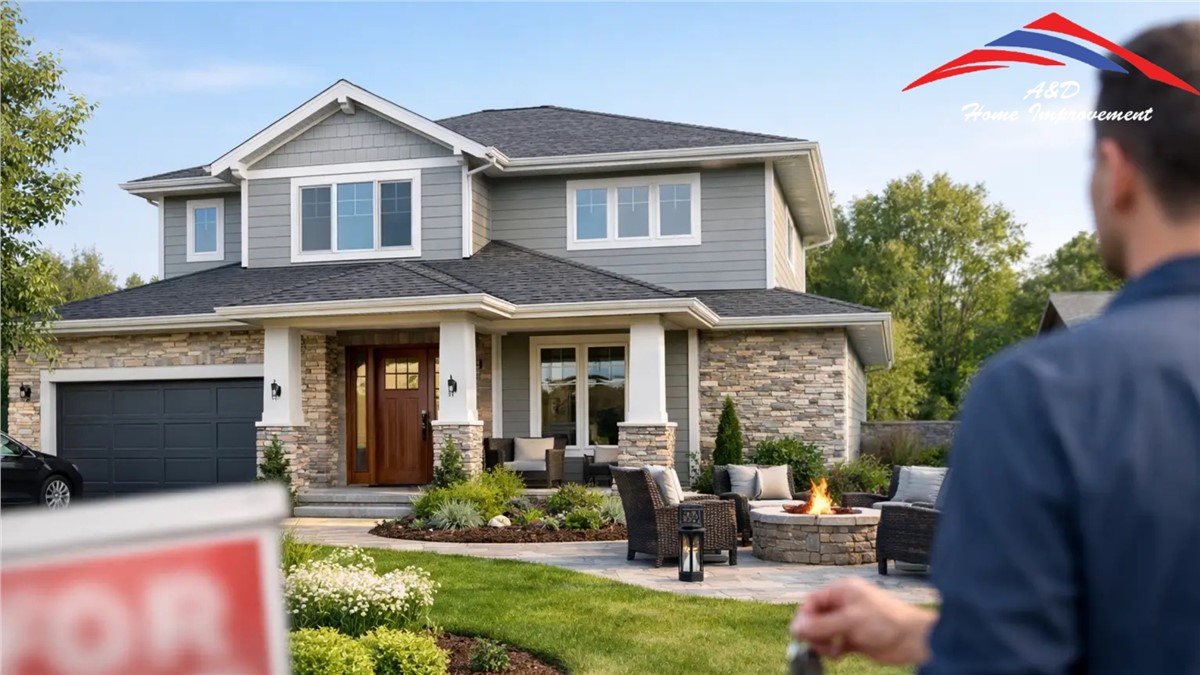
Siding is one of the first things people notice from the street. If it looks faded, dated, or uneven, the whole property can feel tired. If it looks clean, solid, and well-finished, the home immediately makes a stronger impression.
One of the more visible james hardie siding benefits is design flexibility. Homeowners can choose from a range of profiles, textures, and colors to fit traditional, transitional, and more modern home styles. Whether the goal is a crisp lap siding look, a board-and-batten style, or a shake-style accent, fiber cement can give the house a more custom appearance.
That curb appeal can also support resale value. Buyers tend to respond well to exterior upgrades that look premium and suggest lower future maintenance. While no renovation guarantees a full return, updated siding is often one of the more meaningful improvements a homeowner can make because it changes both appearance and protection at the same time.
Better resistance to pests and rot
Wood-boring insects and moisture damage are two common concerns with certain siding types. Once deterioration starts, repairs can spread beyond one small area and affect trim, sheathing, or structural components if left untreated.
Because James Hardie siding is fiber cement, it is not a food source for termites or other wood-damaging pests. That alone is a major benefit for homeowners who want a more worry-free exterior. It also does not absorb moisture the way wood can, which helps reduce the risk of rot when the system is installed and maintained properly.
This benefit is especially valuable on homes with older siding that has already started to soften, peel, or fail near the ground line, around windows, or along roof intersections. Those areas often tell the real story about whether the siding material is working for the home or fighting against local conditions.
Fire resistance adds another layer of protection
Homeowners usually focus first on weather and appearance, but fire resistance deserves attention too. Fiber cement is noncombustible, which gives it an advantage over some other siding materials.
That does not make the entire home fireproof, and it should not be viewed as a substitute for broader fire safety planning. Still, choosing a noncombustible exterior product can add peace of mind and strengthen the overall protective value of the home envelope.
For homeowners comparing premium siding materials, this is one of those benefits that may not drive the first conversation, but it often matters more as the decision gets closer.
Certified installation matters as much as the product
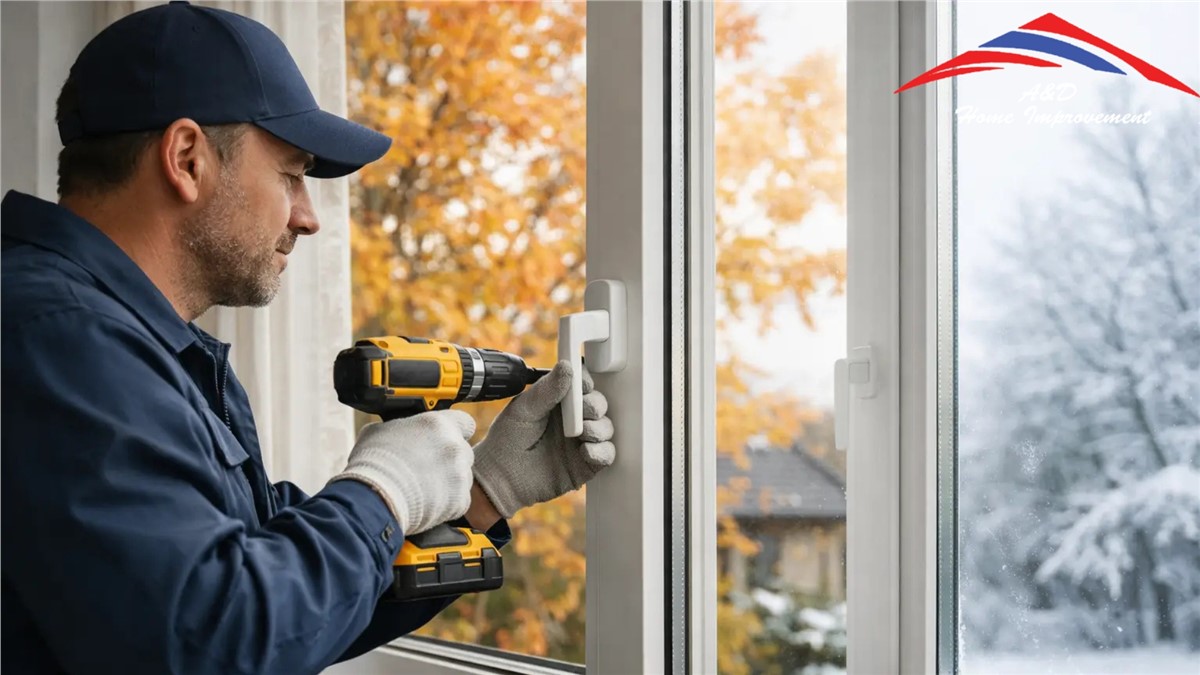
A high-quality siding product can only perform as well as it is installed. Flashing details, moisture barriers, fastener placement, trim integration, and clearance requirements all affect how the siding holds up over time. If those details are rushed or missed, even premium materials can underperform.
That is why homeowners should look beyond the product brochure and pay close attention to contractor qualifications. James Hardie siding has specific installation standards, and following them is essential for appearance, warranty protection, and long-term durability.
For local homeowners, working with a contractor that understands the demands of Illinois weather and the technical requirements of fiber cement installation can make a real difference. A&D Home Improvement is one example of a contractor that brings James Hardie certification and local exterior remodeling experience together, which helps reduce risk for property owners making a major investment.
Are there any trade-offs?
There are, and homeowners should know them before making a final decision. James Hardie siding is typically not the lowest-cost siding option upfront. Material and labor costs are often higher than basic vinyl, especially if the project includes trim upgrades, design changes, or repairs to underlying wall conditions.
Installation is also more specialized. Fiber cement is heavier and requires trained crews, proper tools, and close attention to detail. That can be a positive when the work is done correctly, but it means price shopping on siding alone can be misleading. A lower bid is not always a better value if the installation quality is questionable.
For many homeowners, the decision comes down to priorities. If the goal is the cheapest immediate replacement, James Hardie may not be the first choice. If the goal is stronger long-term performance, a premium look, and lower maintenance than wood, the value proposition becomes much clearer.
Who benefits most from James Hardie siding?
This siding is often a strong fit for homeowners planning to stay in their home for years and wanting an exterior that can hold up with less ongoing upkeep. It also makes sense for owners of higher-visibility homes where curb appeal is a major priority.
It can be especially worthwhile after storm damage or when replacing aging siding that has started to show moisture problems, repeated paint failure, or widespread cosmetic wear. In those situations, upgrading to a more durable material may prevent homeowners from spending money on repeated short-term fixes.
Commercial and multi-unit property owners may also see value in fiber cement when they need a more durable and polished exterior finish. The right choice depends on the building, the budget, and the long-term maintenance plan.
When siding has to perform in a climate as demanding as ours, cutting corners rarely pays off for long. The best exterior choices are the ones that protect the property, reduce future headaches, and still make the home look better every time you pull into the driveway.
Subscribe to A&D Home Improvement's Blog