A storm can move through the Chicago suburbs in twenty minutes and leave you with bruised shingles, dented gutters, and a roof that looks fine from the driveway. That is where a hail damage roof repair insurance claim often gets complicated. The damage is not always obvious, the paperwork matters, and timing can affect whether your claim is approved, underpaid, or denied.
For homeowners and property managers, the goal is simple. Protect the building, document the damage correctly, and make sure the repair scope reflects what the storm actually did. That takes more than calling your carrier and hoping for the best.
What hail damage really does to a roof
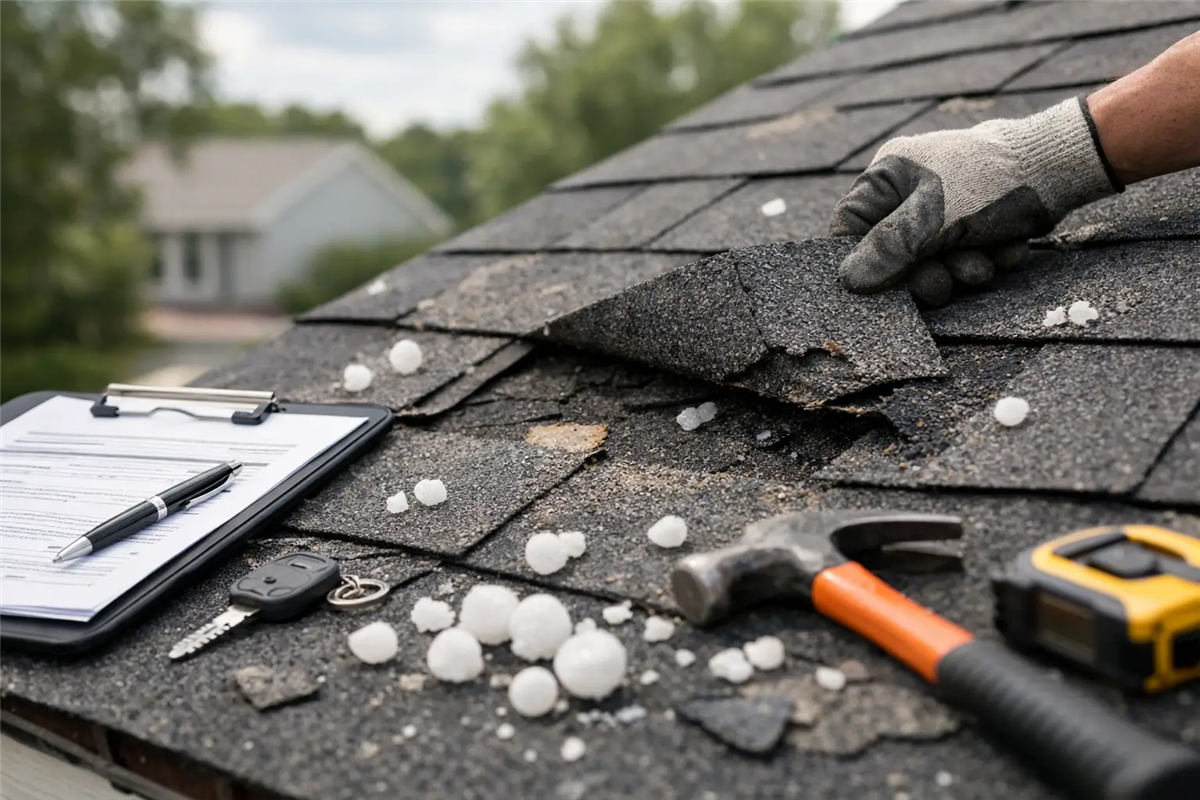
Hail does not damage every roof the same way. The size of the hail matters, but so do wind speed, roof age, shingle type, slope, ventilation, and the condition of nearby components like flashing, vents, gutters, and siding. On asphalt shingles, hail can knock away granules, expose the mat, crack the shingle, or create soft impact spots that shorten the roof's life.
Metal components usually tell part of the story. Dented gutters, downspouts, flashing, box vents, and garage doors can support the timeline and severity of the storm. That does not automatically prove full roof replacement is needed, but it gives context. A trained inspection matters because surface marks, manufacturing defects, foot traffic, and old wear can sometimes be mistaken for hail damage.
That is one reason property owners should avoid making assumptions from ground level. A roof can have functional damage even when it still looks mostly intact from the street. The opposite can also happen. Cosmetic dents may be visible while the roofing system itself remains serviceable. Insurance decisions often turn on that difference.
When to start a hail damage roof repair insurance claim
Start the process as soon as it is safe after the storm. Most policies require prompt notice, and waiting too long can create problems. If another weather event hits before the inspection, your carrier may question what damage came from which storm. Delays can also allow small issues like lifted shingles or punctured flashing to become leaks, rot, insulation damage, or interior staining.
The first step is documentation. Take clear photos of visible exterior damage, including gutters, downspouts, siding, screens, windows, outdoor HVAC fins, and anything else hit by hail. Make notes on the date of the storm, what you observed, and whether water entered the building. If there is an active leak, use temporary protection to prevent more damage. Most policies expect you to take reasonable steps to limit further loss.
Before filing, it is smart to have the property inspected by an experienced local contractor who understands storm restoration. In the Chicago area, weather patterns, code requirements, and insurance claim standards can vary enough that local expertise helps. A detailed inspection can tell you whether the damage appears claim-worthy, whether repair is realistic, or whether replacement is the better long-term option.
What insurance adjusters usually look for
Insurance carriers are not just looking for signs that hail happened. They are evaluating whether the storm caused covered damage under your policy. That means they want evidence of a direct loss, the extent of that loss, and whether any parts of the roof were already worn out, improperly installed, or near the end of their service life.
Adjusters often examine test squares on the roof, collateral damage on soft metals, the number and pattern of impact marks, and whether the shingle mat is fractured. They also review age-related wear, previous repairs, ventilation issues, and signs of deferred maintenance. If your roof already had brittle shingles, mechanical damage, or long-term deterioration, some of the claim may be disputed.
This is where a thorough contractor inspection can make a major difference. A clear scope with photos, measurements, and notes helps keep the conversation focused on storm-related damage instead of guesswork. It also helps identify code-required items that may not be obvious during a quick field review, such as underlayment, starter materials, flashing details, or ventilation corrections tied to the repair.
The claim process, step by step
Most hail claims follow a similar path, even though details vary by carrier and policy.
First, you report the loss to your insurance company. They create a claim and may ask for the storm date, property details, and a description of what was damaged. Next, an adjuster is assigned to inspect the property. In many cases, your contractor should be present during that meeting so damage can be reviewed in real time.
After the inspection, the carrier issues an estimate called a scope of loss. This outlines what they believe is covered and how much they are paying based on depreciation, deductible, and policy terms. If the claim is approved, the first payment may be actual cash value, with recoverable depreciation paid later after the work is completed and documented.
If the scope is incomplete, that is not always the final word. Supplements are common when additional damage is discovered, code upgrades apply, or line items were missed. Good claim support means comparing the insurer's estimate to the real repair requirements and submitting proper documentation when there is a gap.
Why some roof claims get underpaid or denied
A denial does not always mean there was no storm damage. It can mean the evidence was weak, the damage looked cosmetic, the policy excluded part of the loss, or the adjuster did not see enough functional impact during the inspection. Underpayment is also common when important materials, accessories, steep charges, code items, or disposal costs are left out.
Another issue is filing a claim for marginal damage that does not exceed the deductible. That can create a record without delivering meaningful benefit. It is one reason a professional inspection before filing can save time and frustration.
Older roofs can be more complicated as well. Some policies settle losses differently based on roof age or endorsements. A roof may qualify for repair instead of full replacement, even when the owner would prefer a new system. The right path depends on the extent of the damage, matching availability, local code requirements, and the language of the policy.
Repair or replacement depends on more than the check
Not every approved hail damage roof repair insurance claim leads to a full roof replacement. Sometimes isolated slope damage can be repaired successfully. In other cases, spot repairs create color mismatch, weaken surrounding areas, or fail to address the overall condition of the system.
A dependable contractor should tell you when repair makes sense and when it does not. That recommendation should be based on the roof's age, product availability, extent of impact, warranty considerations, and long-term performance in Illinois weather. Saving money today is not a win if the roof develops leaks next season or if patchwork repairs reduce curb appeal and resale value.
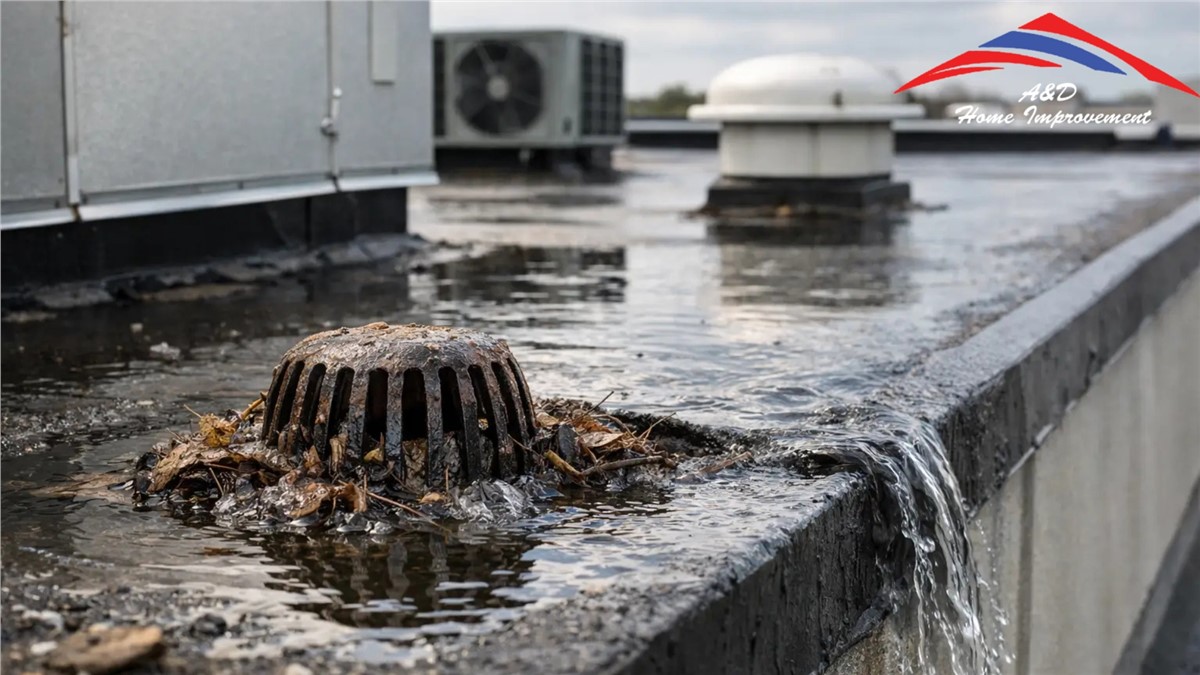
For commercial properties, the analysis can be even more technical. Membrane punctures, seam damage, coating disruption, and insulation moisture issues may not be obvious without a proper assessment. Business owners and property managers need a scope that protects both the building envelope and the operating budget.
Choosing the right contractor during an insurance claim
Storm season brings out aggressive sales tactics. The safest choice is a licensed, insured, established contractor with a strong local reputation, manufacturer certifications, workmanship warranties, and direct experience with insurance restoration. You want a company that can inspect accurately, communicate professionally, and install to current standards, not just one that promises a free roof.
The best claim support is disciplined and transparent. That means clear documentation, realistic timelines, written scopes, and no pressure to sign before you understand the process. A contractor should help you navigate the claim, but your insurer decides coverage. Anyone who suggests otherwise is creating risk for you.
A&D Home Improvement works with property owners across the Chicago suburbs who want that process handled with precision. When storm damage affects roofing, siding, gutters, or other exterior systems, coordinated restoration matters. It keeps the scope complete and reduces the chance that related damage is overlooked.
What to do before the adjuster arrives
Have your documentation ready and make sure safe access is available. Gather storm-date notes, photos, prior roof records if you have them, and any interior leak evidence. If emergency tarping or temporary repairs were necessary, keep the invoices and photos.
It also helps to walk the property with your contractor before the insurance inspection. That creates a shared understanding of what damage is present and what areas need close review. The adjuster may still reach a different conclusion on some items, but a prepared inspection is usually a better inspection.
What matters most after approval
Once the claim is approved, focus on scope accuracy and installation quality. The settlement amount only helps if the work restores the building properly. Materials, flashing, ventilation, underlayment, gutters, and cleanup all matter. So do permit requirements and code compliance.
Ask questions if something in the estimate seems unclear. Know what your deductible is, what depreciation may be recoverable, and whether any upgrades are optional out-of-pocket choices. A professional contractor should explain the difference between insurance-covered restoration and elective improvements without blurring the line.
Storm recovery is stressful enough without avoidable surprises. A careful inspection, a well-documented claim, and a qualified roofing partner give you a much better chance of getting paid fairly and restoring the property the right way. If your roof took a hit, move quickly, stay organized, and make decisions based on evidence rather than pressure.
Subscribe to A&D Home Improvement's Blog