If you have ever cleaned wet maple leaves out of a second-story gutter in October, you have probably asked yourself: are gutter guards worth it? Around the Chicago suburbs, that question is less about convenience and more about protecting your roofline, siding, foundation, and landscaping from repeated overflow in a climate that brings heavy rain, wind, snow, and freeze-thaw cycles.
The short answer is yes - for many homes, gutter guards are worth it. But they are not a magic fix, and they are not the right choice for every property. The real value depends on your tree coverage, gutter condition, roof design, and how much ongoing maintenance you want to avoid.
Are gutter guards worth it in the Chicago suburbs?
In this market, they often are. Homes in Elk Grove Village and surrounding communities deal with a mix of mature trees, seasonal storms, and winter ice. That combination puts a lot of stress on open gutters. When debris builds up, water can spill over the front edge, back up under shingles, or collect near the foundation. Even one bad drainage season can lead to repairs that cost more than many homeowners expect.
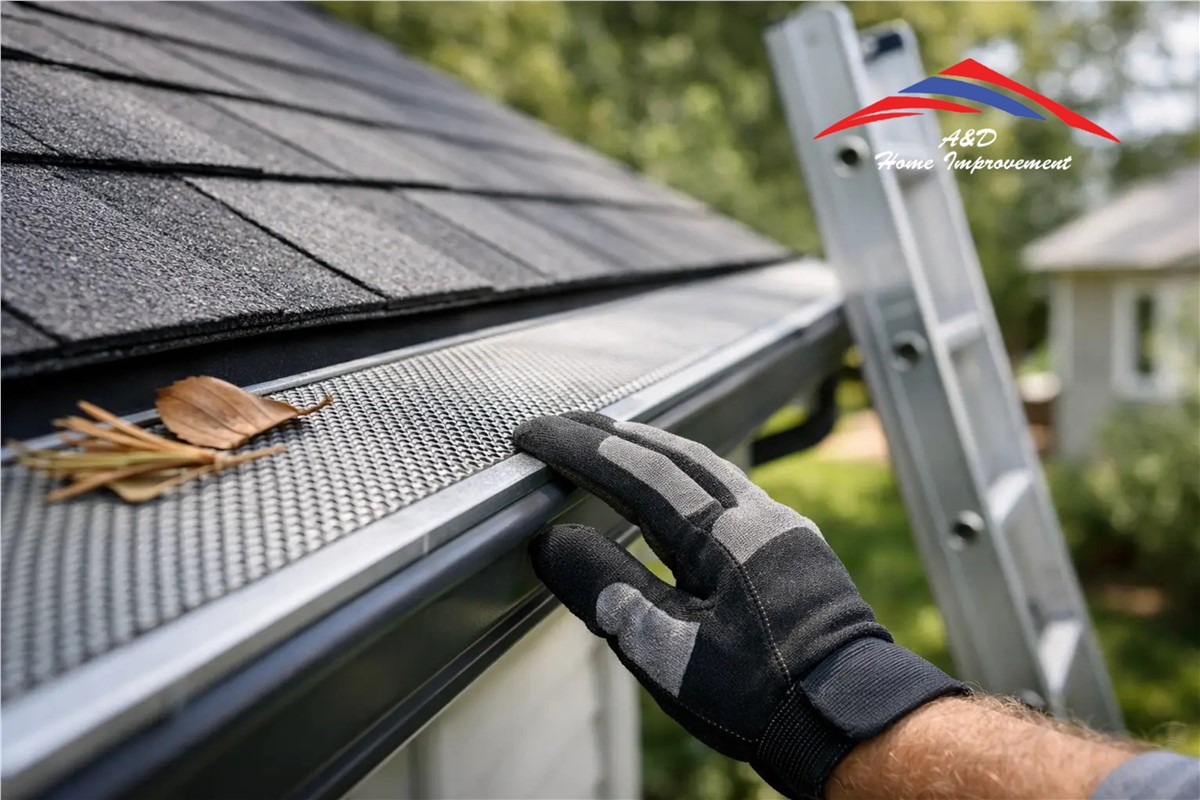
Gutter guards help reduce the amount of debris that enters the gutter channel while allowing water to move through the system. On the right home, that means fewer clogs, fewer cleanings, and more reliable drainage during heavy weather. For homeowners who want a lower-maintenance exterior and fewer ladder trips, that has real value.
Still, "worth it" does not mean "never think about your gutters again." Even high-quality guards need occasional inspection and some maintenance. The difference is that you are usually dealing with light surface debris, not packed-down sludge inside the gutter.
What gutter guards do well
The biggest benefit is clog reduction. Leaves, twigs, seed pods, and roof grit are less likely to collect inside the trough when a properly fitted guard is installed. That helps water flow toward downspouts instead of spilling over the sides during rain.
They also cut down on maintenance frequency. Without guards, many homes need cleaning more than once a year, especially if they sit under oak, maple, or pine trees. With guards, cleanings are often less frequent and less labor-intensive. That matters if you are paying for service or if you simply do not want to get on a ladder.
There is also a protection benefit that homeowners sometimes overlook. Gutters are not just there to catch rain. They help manage where water goes once it leaves your roof. If the system clogs and overflows, you can end up with fascia rot, siding stains, basement moisture issues, eroded mulch beds, or icy walkways near entry points. Gutter guards do not solve every drainage problem, but they can reduce the chances of preventable overflow.
In colder climates, they may also help limit the buildup of dense, wet debris that contributes to winter blockage. That can improve drainage during temperature swings, although no gutter guard can fully prevent ice dams on its own. Ice dam prevention starts with the full system - attic insulation, ventilation, roofing details, and drainage all need to work together.
When gutter guards are worth the investment
They tend to make the most sense on homes with moderate to heavy tree coverage. If branches hang over the roof or your yard fills up every fall, open gutters will likely keep collecting debris. In that case, guards can pay off through reduced cleanings and less risk of water-related damage.
They are also a strong option for homeowners with tall rooflines or difficult access points. A two-story home, steep roof sections, or areas above porches and sunrooms can make gutter cleaning harder and riskier. Paying for repeated cleanouts adds up. Guards can reduce how often that service is needed.
Another good fit is a homeowner planning long-term improvements. If you are already replacing gutters or investing in roofing, siding, or fascia work, it often makes sense to evaluate gutter guards at the same time. Installation is more efficient when the system is being updated together, and you get a cleaner, more integrated result.
For older homeowners or busy families, the value can be even more straightforward. If the main goal is to reduce exterior upkeep and improve peace of mind, gutter guards can be a practical upgrade rather than a luxury add-on.
When gutter guards may not be worth it
If your home has very little tree exposure and your gutters stay relatively clean year-round, the return may be smaller. Some properties only need a simple annual cleaning, and that may be enough.
They may also be a poor investment if your gutters are already undersized, poorly sloped, loose, or damaged. In that situation, the main problem is not debris entry. It is system performance. Adding guards to failing gutters does not correct alignment issues, leaking seams, or inadequate water capacity.
Product quality matters too. Low-cost inserts or poorly fitted screens can shift, trap debris on top, or create more maintenance than expected. Homeowners often decide gutter guards are not worth it after a bad experience with the wrong product, when the real issue was product selection or installation quality.
That is why a professional assessment matters. The right recommendation should account for roof pitch, shingle type, tree debris, gutter size, downspout placement, and local weather conditions.
The trade-offs homeowners should know
No gutter guard is completely maintenance-free. Debris can still collect on the surface, especially in homes with pine needles, helicopters, or small seed debris. You may still need periodic brushing or rinsing to keep water moving cleanly through the system.
There is also an upfront cost. While guards can reduce cleaning bills and lower the risk of water damage, the payoff depends on how often your gutters clog today. A homeowner who cleans once every few years will see a different return than one who deals with repeated overflow every season.
Winter performance is another area where expectations should stay realistic. Quality guards can help reduce debris-related blockages, but they do not replace proper attic insulation, ventilation, and roof design. If your home has heat loss issues, ice can still form along the roof edge and affect drainage.
Are gutter guards worth it compared to regular cleaning?
For some homeowners, regular cleaning is enough. If access is easy, debris levels are light, and you do not mind the upkeep, routine service may be the simpler option.
But for many properties in northern Illinois, the comparison shifts over time. Repeated cleanings, service calls after storms, and the possibility of hidden water damage all add cost. Gutter guards are often worth it when they reduce those recurring problems and help the gutter system perform more consistently.
The key is to look beyond the price of the guard itself. Think about total ownership cost: maintenance, risk, safety, and the condition of surrounding exterior materials. Protecting trim, soffit, siding, and the foundation can be just as important as keeping leaves out of the gutter.
What to look for before you decide
Start with the condition of your current gutters. If they are seamless, properly pitched, securely fastened, and sized for your roof area, adding guards may be a smart next step. If they are aging or underperforming, replacement may come first.
Next, consider the debris pattern around your home. Broad leaves, pine needles, roof granules, and nearby overhanging branches all affect which guard style performs best. There is no one-size-fits-all answer.
Finally, choose installation that matches the rest of your exterior system. A professional contractor should be able to evaluate not only the guard, but also how your gutters, roof edge, fascia, and attic ventilation are working together. That bigger picture matters in a climate like ours, where one drainage issue can turn into several building-envelope problems.
For homeowners who want dependable performance and fewer surprises, this is usually not a place to cut corners. A well-matched gutter guard system installed by an experienced exterior contractor can add real long-term value, especially when paired with high-quality gutters and proper drainage planning.
If you are still weighing the decision, the best next step is simple: look at how often your gutters clog, what that upkeep is costing you, and what one season of overflow could do to the rest of your home. In many cases, that makes the answer clear.
Subscribe to A&D Home Improvement's Blog