A roof can look fine from the street and still be the wrong system for your home, your budget, and the weather it has to handle. If you're figuring out how to choose roof shingles, the best decision usually comes down to more than color. In the Chicago suburbs, shingles need to stand up to wind, hail, heat, snow, and sudden temperature swings without turning your next roof replacement into a short-term fix.
That is why shingle selection should be based on performance first, appearance second, and price in the context of long-term value. The right product can improve curb appeal, protect against storm damage, support better warranty coverage, and help you avoid costly repairs later.
How to Choose Roof Shingles for Illinois Weather
Illinois weather is demanding. A roof in this region deals with freezing winters, humid summers, hail events, strong wind, and ice buildup along eaves. That means the best shingle for one market is not always the best shingle for a home in Elk Grove Village or the surrounding suburbs.
When homeowners ask how to choose roof shingles, the first question should be how the roof will perform in local conditions. Impact resistance matters if your area sees hail. Wind ratings matter if your neighborhood is exposed or your home sits in an open subdivision. Algae resistance can also matter, especially on shaded roof slopes that stay damp longer.
This is where cheaper shingles often lose their appeal. A lower upfront price can look attractive until you compare lifespan, storm performance, and manufacturer warranty options. Spending a bit more on a better-rated architectural shingle often makes more sense than replacing an entry-level roof earlier than expected.
Start With Shingle Type, Not Just Color
Most residential homes use asphalt shingles, but there is still a range within that category. Three-tab shingles are the most basic option. They cost less, but they also offer a flatter appearance and generally lower wind resistance. For many homeowners, they are no longer the best value.
Architectural shingles are the most common upgrade because they deliver a thicker profile, improved durability, and a more dimensional look. They tend to hold up better over time and give the roof a more finished appearance. For many suburban homes, this is the practical middle ground between affordability and performance.
Designer or luxury shingles go a step further. These products are built to mimic higher-end materials like slate or cedar while offering stronger visual impact. They can be a smart fit for larger homes or premium neighborhoods where curb appeal and resale presentation matter, but the added cost should be weighed against how long you plan to stay in the home.
Match the Shingle to the Life Stage of the Home
A shingle should fit the property, not just the brochure. If you are replacing a roof on a starter home you expect to sell in a few years, your priorities may be different than if you are reroofing a long-term family home. The same goes for investment properties and commercial buildings where maintenance planning and lifecycle cost matter more than appearance alone.
For a long-term residence, it usually makes sense to choose a stronger product with better warranty protection and higher wind resistance. If storm exposure is a concern, impact-rated options may be worth the added investment. If resale is likely in the near future, a clean architectural shingle in a broadly appealing color may offer the best balance of protection and buyer appeal.
Color Matters, but Performance Matters More
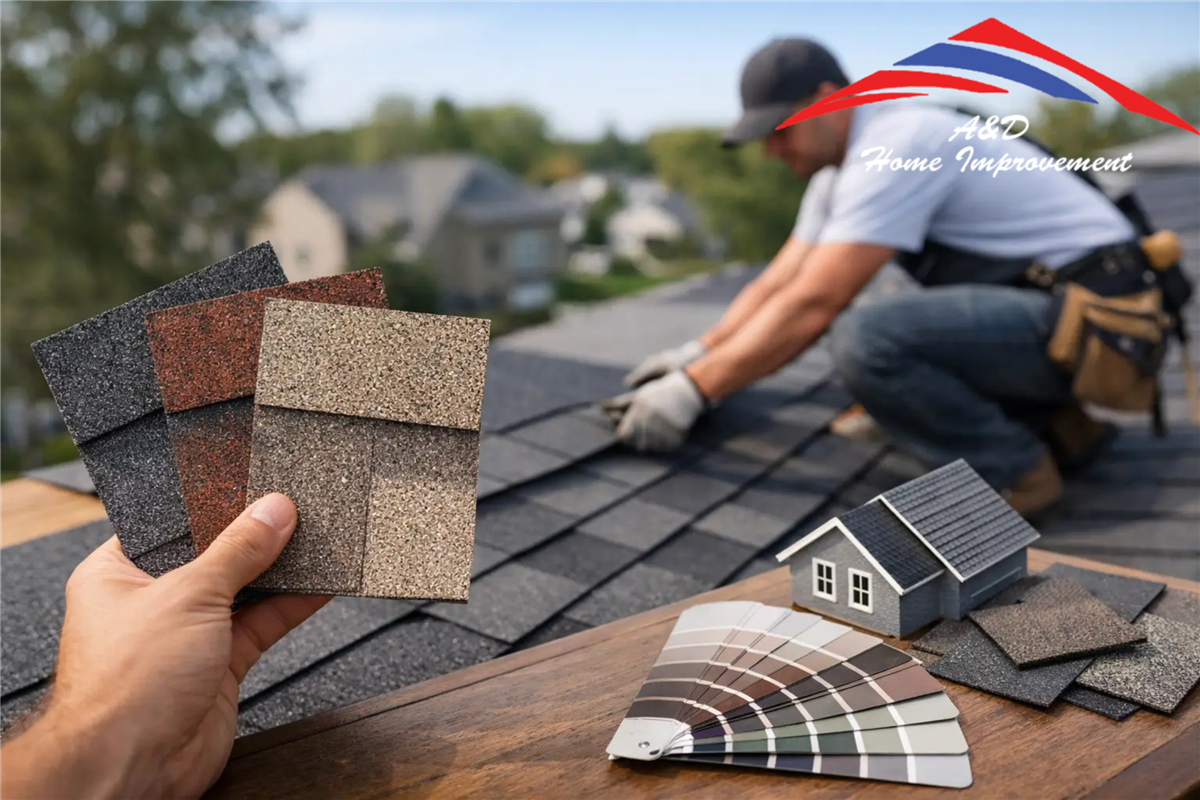
Most homeowners naturally start with samples. That makes sense because the roof is one of the most visible parts of the home. Still, color should be one of the last decisions you make after narrowing down product quality and performance.
Darker shingles can create a bold, classic look and often pair well with brick exteriors common throughout the Chicago suburbs. Lighter tones can soften the appearance of the home and may help reduce heat absorption in summer. Neither choice is automatically better. It depends on your siding, trim, masonry, neighborhood style, and how much sun the roof gets.
It also helps to think about consistency. A shingle color that looks good in a small sample may look very different across an entire roof plane. Blended tones often age better visually than flat colors because they add depth and can hide minor discoloration over time.
Look Closely at Wind, Impact, and Algae Ratings
Not all shingles are built to the same standard. Product specs can tell you a lot about how the roof may perform in the real world. Wind ratings are especially important in this area, where storms can move through fast and cause damage even without major hail.
Impact resistance is another category worth reviewing, especially if your current roof has taken storm hits in the past. A shingle with stronger impact performance may reduce the chance of granule loss, bruising, or punctures after hail. It will not make the roof indestructible, but it can improve resilience.
Algae resistance is often overlooked. Black streaking may not affect waterproofing right away, but it can hurt curb appeal and make a newer roof look older sooner. If your home has tree cover or limited direct sun, algae-resistant shingles are usually worth considering.
The Roofing System Matters as Much as the Shingle
A shingle is only one part of the roof system. Underlayment, ice and water protection, starter strips, ridge ventilation, flashing, and installation quality all affect how the roof performs. Homeowners sometimes compare shingle brands while missing the bigger issue, which is whether the entire system is designed and installed correctly.
That matters even more in climates with snow and freeze-thaw cycles. If attic ventilation is poor or ice barrier protection is insufficient, even a premium shingle can underperform. A quality roof replacement should be built as a complete system, not a stack of materials chosen one by one on price.
This is also where certified installation standards make a real difference. Manufacturer-backed systems and stronger workmanship warranties often depend on proper installation methods, not just the product name on the packaging.
Warranties Deserve a Closer Look
Warranty language can sound impressive until you read what is actually covered. Some warranties focus on manufacturing defects but offer limited practical value if the roof was not installed to the required standard. Others become more meaningful when a certified contractor installs a full roofing system from a recognized manufacturer.
When comparing options, ask simple questions. Is the warranty prorated or non-prorated for a period of time? Does it cover wind damage up to a certain rating? Is workmanship coverage separate from material coverage? What installation requirements must be met to keep protection in force?
The strongest warranty is usually not the one with the biggest number in the brochure. It is the one backed by a reputable manufacturer, installed by a qualified contractor, and clearly explained before the project starts.
Price Should Be Measured Over Time
One of the biggest mistakes homeowners make is choosing shingles based only on the lowest estimate. Roofing is a major exterior investment, and the cheapest bid can leave out the details that matter most, including ventilation upgrades, ice protection, flashing replacement, or better shingle lines.
A better way to compare pricing is to think in terms of cost over the life of the roof. If a modest upgrade gets you better wind performance, stronger warranty coverage, and a longer service life, the value may be better even if the upfront cost is higher. Financing can also make a stronger system more accessible without forcing you to compromise on protection.
How to Choose Roof Shingles With the Right Contractor
Even the best shingles can fail early if they are installed poorly. That is why contractor selection is part of how to choose roof shingles, not a separate issue. You want a roofing company that understands local code requirements, regional weather demands, ventilation design, and manufacturer installation standards.
Look for proof of certification, clear scope details, warranty explanations, and a process that does not feel rushed or vague. A dependable contractor should be able to explain why one shingle line fits your home better than another and show how the full roofing system will be built.
For homeowners in the Chicago suburbs, working with a local company that understands storm exposure and seasonal roofing demands can reduce risk. A&D Home Improvement approaches roof replacement with that full-system mindset, helping homeowners compare options based on performance, appearance, warranty strength, and long-term value rather than just price alone.
The right shingles should make you feel confident every time the weather turns. If a product looks good, fits your budget, and is built to handle the conditions your home actually faces, you are probably making the kind of roofing decision that pays off for years.
Subscribe to A&D Home Improvement's Blog