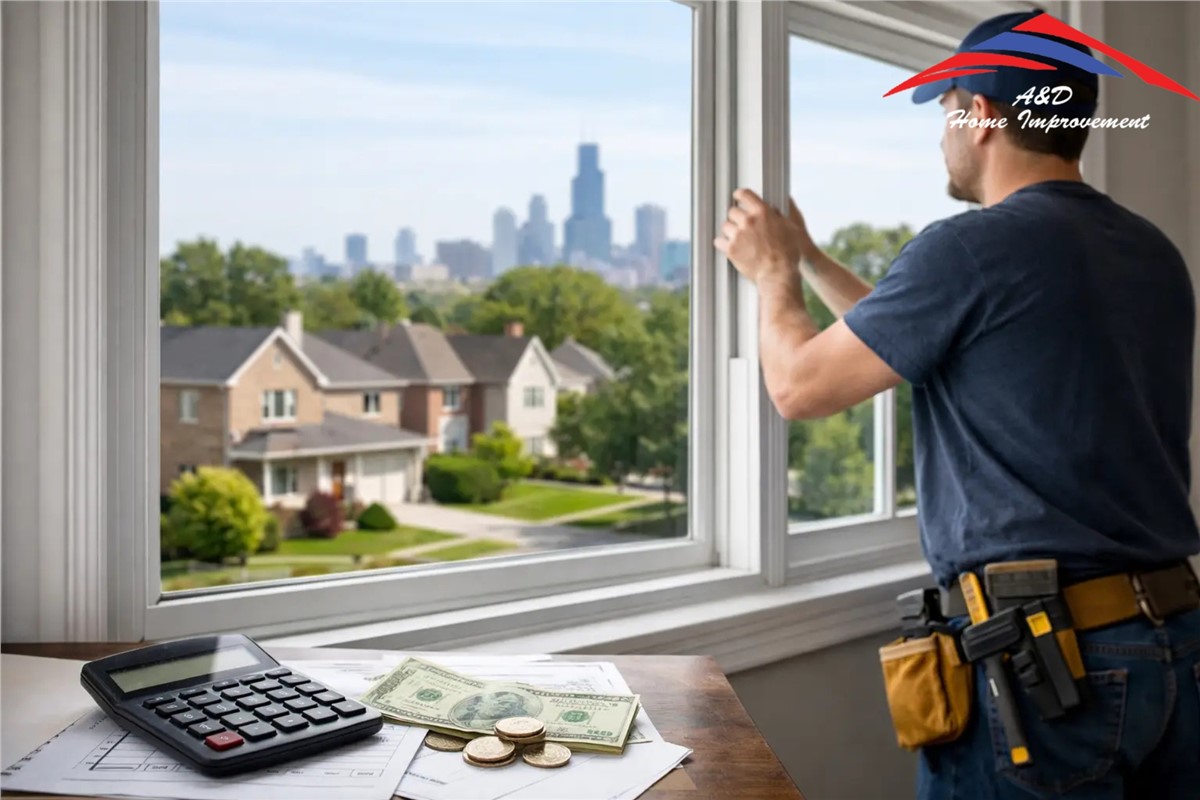
If your rooms feel drafty in January, too hot near the glass in July, or your energy bills keep climbing without a clear reason, your windows may be part of the problem. Knowing how to choose energy efficient windows is less about picking the most expensive option and more about matching the right product and installation to your home, budget, and the Illinois climate.
In the Chicago suburbs, windows do real work. They have to manage winter cold, summer heat, wind, humidity, and the day-to-day wear that comes with a four-season climate. That means the best choice is rarely a one-size-fits-all window. A strong decision comes from understanding performance ratings, frame materials, glass packages, and just as important, the quality of the installation.
How to choose energy efficient windows for your home
Start with the reason you are replacing them. Some homeowners want lower utility bills. Others want better comfort, less outside noise, easier maintenance, or improved curb appeal. Most want all of the above, but priorities matter because they shape where your budget should go.
If energy savings is your top goal, pay close attention to glass performance and air leakage. If your current windows are hard to open, rotting, or showing seal failure between panes, durability and build quality matter just as much. If the home faces busy roads or harsh western sun, solar heat control and sound reduction should move higher on the list.
A good window should solve the problems you actually have, not just look impressive on a quote.
Focus on the ratings, not just the sales pitch
Window labels tell you more than showroom language ever will. The two numbers most homeowners should understand are U-Factor and Solar Heat Gain Coefficient, often called SHGC.
U-Factor measures how well a window prevents heat from escaping. Lower numbers mean better insulation, which matters a lot during Illinois winters. SHGC measures how much solar heat passes through the glass. Lower SHGC can help reduce unwanted summer heat gain, especially on south- and west-facing sides of the house.
Air leakage is another important metric. A lower air leakage rating generally means fewer drafts. Visible condensation resistance can also matter, particularly in homes that struggle with interior humidity during colder months.
These ratings work together. A window with a great U-Factor but poor solar control may still create comfort issues in certain rooms. That is why window selection should be based on the orientation of the home, the age of the structure, and how each space is used.
Glass package matters more than many homeowners realize
When people think about windows, they often focus on the frame color or style first. In reality, the glass package is where much of the energy performance comes from.
Double-pane windows are standard for many replacement projects and can offer a strong balance of value and efficiency. Triple-pane glass can improve insulation even further, but the extra cost is not always necessary for every home or every opening. It depends on your goals, your budget, and whether you are solving for extreme drafts, outside noise, or long-term energy performance.
Low-E coatings are one of the most important features to look for. These coatings help reflect heat while still allowing natural light into the home. Argon gas fills between panes can also improve thermal performance. Together, these features can make a noticeable difference in year-round comfort.
The best setup is not always the most loaded package available. It is the package that gives you measurable value in your climate and in the rooms where performance matters most.
Don’t ignore the direction your windows face
North-facing windows often benefit from strong insulating performance because they receive less direct sun and can feel colder in winter. South- and west-facing windows may need more solar heat control to keep rooms from overheating in warmer months. East-facing windows can create strong morning light and heat gain depending on the layout.
That means one glass package may not be ideal for every side of the house. In some projects, a tailored approach delivers better comfort than applying the exact same specification everywhere.
Choose a frame that fits your priorities
Frame material affects efficiency, maintenance, appearance, and cost. Vinyl windows are popular because they offer solid thermal performance, resist moisture, and require relatively little maintenance. For many homeowners, they provide a practical return on investment.
Fiberglass is another strong option, especially when durability and long-term stability are priorities. It handles temperature changes well and can offer a more premium feel. Wood windows bring classic appearance and strong insulation, but they usually require more maintenance and a higher budget.
Composite options can also perform well, depending on the manufacturer and product line. The key is not to assume one material is always best. A high-quality vinyl window can outperform a lower-grade product made from a more expensive material. Product quality, engineering, and installation all matter.
Style affects efficiency too
Window style changes how tightly the unit seals and how ventilation works. Picture windows do not open, so they often provide excellent energy performance because there are fewer moving parts. Casement windows tend to seal tightly when closed and can be a strong choice for efficiency.
Double-hung windows remain a favorite for appearance and function, especially in traditional homes, but not all double-hung products perform the same way. Sliding windows can be convenient, though air sealing can vary by design and manufacturer.
This is where aesthetics and performance need to meet. The right choice should complement the home while still delivering practical comfort benefits.
Installation is not optional - it is part of the product
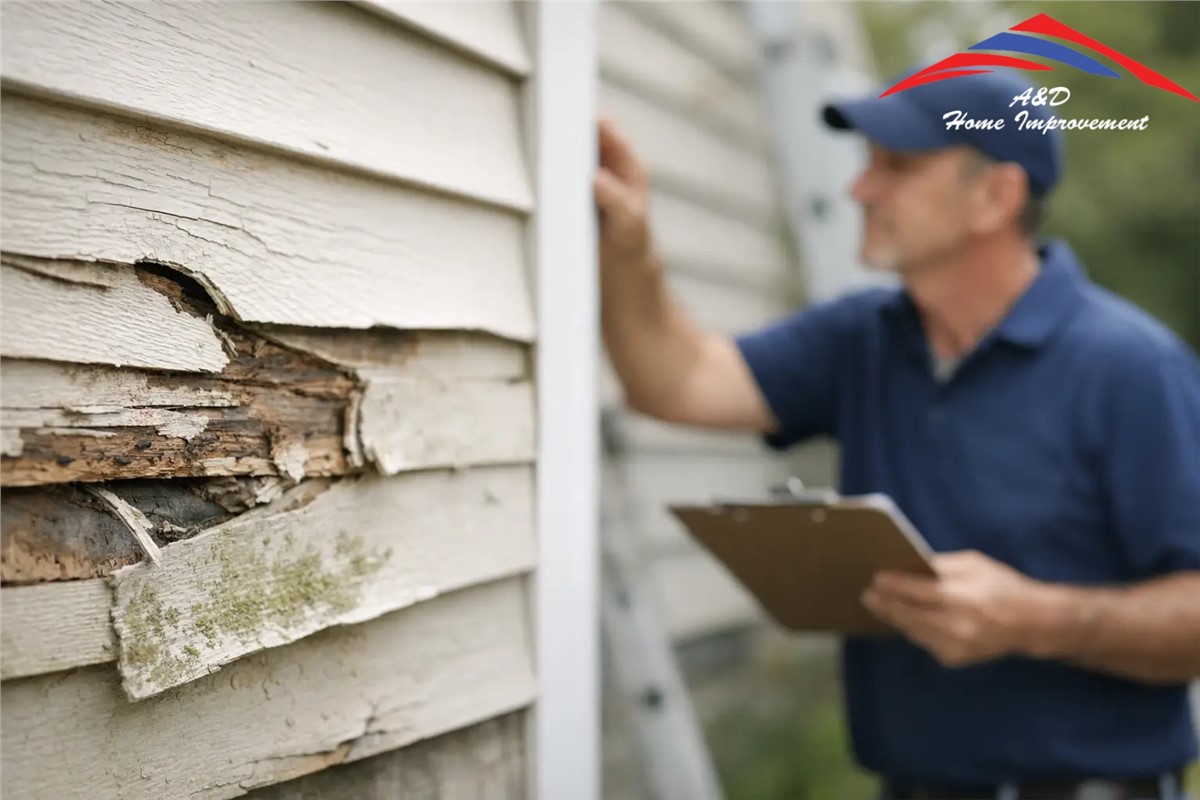
Even the best-rated window can underperform if it is installed poorly. Gaps, improper flashing, weak insulation around the frame, and out-of-square installation can all lead to drafts, moisture issues, and shortened product life.
That is why choosing the contractor matters almost as much as choosing the window itself. Homeowners should look for experienced installers, manufacturer-backed certifications, clear workmanship warranties, and a process that includes accurate measuring and proper sealing methods.
In a climate like ours, installation quality directly affects how the window handles wind, rain, and seasonal expansion and contraction. A lower-priced bid may not be a better value if it cuts corners where performance matters most.
Think in terms of long-term value, not just upfront price
A common mistake is shopping windows by sticker price alone. The cheaper option may look attractive at first, but if it leads to higher heating and cooling costs, frequent service issues, or early replacement, it becomes more expensive over time.
A better question is this: what are you getting for the investment? Stronger glass performance, better frame construction, dependable hardware, warranty protection, and certified installation all contribute to value. Financing can also help homeowners choose a better long-term solution rather than settling for the lowest immediate cost.
For many families, replacing windows is not just about utility savings. It is about comfort, quieter interiors, reduced maintenance, improved appearance, and confidence that the home is better protected through every season.
How to compare quotes without getting misled
Not all window proposals are equal. One contractor may quote a builder-grade product with minimal installation detail, while another includes a higher-performance window, better trim work, disposal, warranty coverage, and more thorough labor standards.
When reviewing quotes, make sure you know the exact product line, frame material, glass package, performance ratings, installation scope, and warranty terms. If one proposal is dramatically cheaper, ask why. Sometimes the difference is reasonable. Sometimes it means important parts of the job are being left out.
A dependable contractor should be able to explain the trade-offs clearly and recommend options based on your goals, not just push the highest ticket.
What Illinois homeowners should prioritize most
For homes in the Chicago suburban market, cold-weather insulation, air tightness, and weather-resistant installation should be near the top of the list. Summer comfort still matters, but winter heat loss and draft control are often where homeowners feel the biggest difference.
That is one reason many property owners choose to work with an established local contractor that understands regional conditions, product performance, and the importance of proper installation. A&D Home Improvement approaches window replacement with that full picture in mind, helping homeowners balance energy performance, appearance, durability, and budget without losing sight of long-term value.
The right windows should make your home feel more comfortable the first season after installation, not just look better from the street. If you are weighing options, take your time, ask direct questions, and choose a solution built for how your home actually performs. A good window decision pays you back every day you live with it.
Subscribe to A&D Home Improvement's Blog