A hailstorm can be over in 15 minutes and still leave you with thousands of dollars in damage. The hardest part for most property owners is not spotting a problem - it is figuring out how to file storm claim paperwork correctly, in the right order, without missing details that can affect approval.
If your roof, siding, gutters, or windows took a hit, speed matters. So does accuracy. A storm claim is not just about calling your insurance company and hoping for the best. It is about documenting damage, protecting the property from further loss, and making sure the full scope of repairs is recognized.
How to file storm claim without costly mistakes
The first step is to stay safe and avoid making assumptions from the ground. You may notice shingles in the yard, dented downspouts, cracked siding, or water spots on a ceiling, but some storm damage is less obvious. Wind can loosen roofing materials without tearing them off completely, and hail can bruise shingles in ways that shorten roof life even if there is no immediate leak.
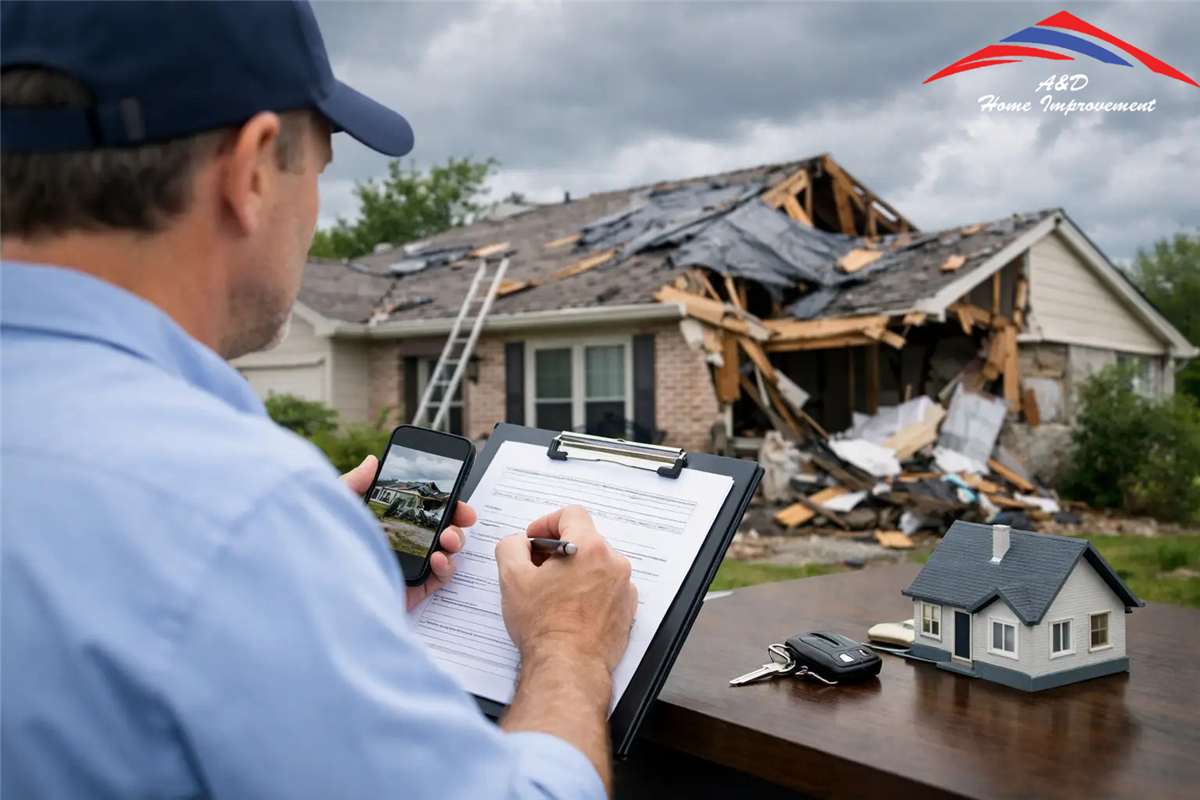
Before you call your carrier, take clear photos and videos of anything visible. Focus on the date, the general condition of the property, and each damaged area. Get wide shots that show the whole elevation or roofline, then close-ups of dents, cracks, missing materials, or displaced flashing. If you have interior damage, document that too. Water stains, bubbling paint, wet insulation, and active drips all matter.
Then make temporary protective repairs if needed. If a section is actively leaking, tarping or emergency sealing may be necessary to prevent additional damage. Most insurance policies expect homeowners to take reasonable steps to limit further loss. Keep every receipt related to emergency mitigation, because those costs may be reimbursable depending on the policy.
Once you have documented the damage, review your policy basics. You do not need to become an insurance expert overnight, but you should confirm your deductible, whether coverage is replacement cost or actual cash value, and whether there are special exclusions for wind or hail. In Illinois, that policy language can make a meaningful difference in what you are paid and when.
Start the claim early, but do not rush the inspection
When you are ready to open the claim, contact your insurance company directly and report the storm event. Be prepared with the date of loss, a short description of what happened, and the areas you believe were affected. Keep the explanation factual. You do not need to diagnose every issue on the call. You simply need to report that storm-related damage may have occurred.
After the claim is opened, the carrier will usually assign an adjuster or schedule an inspection. This is where many claims become difficult. If the inspection happens before the damage is fully identified, parts of the loss may be missed. That can lead to underpayment, delays, or partial approvals that do not cover what the property actually needs.
A professional exterior inspection before or during the adjuster visit can help create a more complete picture. Roofing, siding, gutters, and window systems often fail in connected ways after a severe storm. If only one trade is considered, related damage may not be properly documented. That is especially true with hail strikes on soft metals, lifted shingles after high winds, or collateral damage across multiple elevations.
For Chicago-area homes and commercial properties, storm exposure is rarely uniform. One slope can be badly impacted while another looks mostly intact. That does not mean the undamaged-looking areas are fine. It means the inspection needs to be thorough and informed by how Midwest weather actually affects exterior systems.
What your insurance company will look for
Insurance carriers generally want to confirm three things. First, that the damage was caused by a covered storm event. Second, that the damage is significant enough to justify repair or replacement under the policy. Third, that the claim was filed within the required timeline.
That is why documentation matters so much. Photos, inspection notes, weather dates, contractor observations, and evidence of sudden damage all support the file. If your roof is older, the carrier may look more closely at whether the condition was due to wear and tear instead of hail or wind. This is one of the most common gray areas in storm claims.
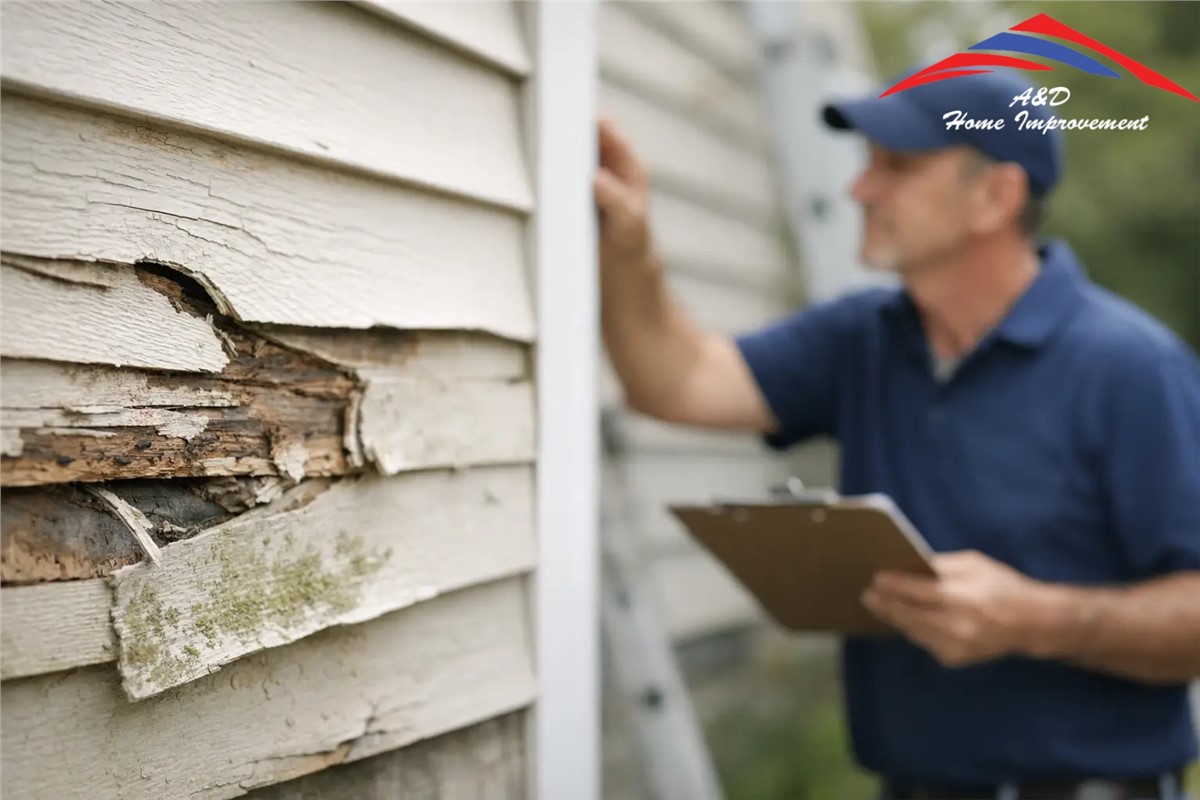
It depends on the material, the age of the system, and the severity of the impact. A roof near the end of its service life can still have legitimate storm damage. But the evidence has to show a storm-created issue, not just general aging. The same goes for siding and gutters. A dented gutter from hail is different from long-term sagging caused by poor drainage or failed fasteners.
How to file storm claim for roof and siding damage
If the damage involves more than one exterior system, your claim should reflect that from the start. A roof claim should not be treated as roof-only if siding is cracked, fascia is bent, gutters are dented, or window wraps were hit as well. Storm restoration works best when the property is viewed as a whole exterior envelope.
During the inspection process, ask for line items and scope details in writing. If the carrier approves part of the claim, review what is included and what is not. Pay attention to quantities, materials, code-related items, and accessories like flashing, starter shingles, ridge components, and disposal. On siding claims, look at whether matching is addressed and whether affected elevations are grouped logically.
This is also where contractor experience matters. A company that regularly handles storm-related restoration can help identify omissions, supplement missing items, and explain whether the approved scope is enough to restore the property properly. That does not mean every claim turns into a dispute. It means the repair plan should match the actual damage, not just the first draft of the paperwork.
Common reasons storm claims get delayed
The most common delay is incomplete information. Missing photos, vague damage descriptions, or inconsistent dates can slow everything down. Another issue is waiting too long. Property owners sometimes notice damage, put it off, and then try to file months later after new weather events complicate the timeline.
A second problem is making permanent repairs too early. Emergency protection is fine and often necessary, but if major repairs are completed before the adjuster documents the damage, it may be harder to prove what happened. If a repair cannot wait, document thoroughly before work begins.
There is also the issue of low initial scopes. An estimate may cover obvious shingle replacement but omit ventilation components, underlayment, or code upgrades. It may approve a partial siding repair without addressing color mismatch or brittle surrounding panels. These are not unusual situations, but they do require follow-up.
What to do after the claim is approved
Once your claim is approved, the focus shifts from paperwork to execution. Review the settlement documents carefully, including depreciation, deductible, and any holdback amounts that may be released after completion. If your policy is replacement cost, you may receive payment in stages rather than all at once.
Choose a contractor with proven storm restoration experience, strong manufacturer credentials, and a clear installation process. That matters because an approved claim only solves part of the problem. The real value comes from having the roof, siding, gutters, or windows installed correctly so the property is protected for the long term.
For many homeowners in the Chicago suburbs, this is also the moment to think beyond basic replacement. If storm damage has forced the project forward, it may make sense to upgrade to more impact-resistant roofing, better-performing siding, or gutter protection that improves drainage during heavy Illinois storms. The right improvement can reduce future maintenance while improving curb appeal and resale value.
A&D Home Improvement works with property owners through this process with the same priorities that matter most after a storm: clear communication, accurate scope review, certified installation, and repairs built for local weather conditions.
If you are trying to figure out what comes first, remember this: file early, document thoroughly, and do not treat storm damage like a cosmetic issue. What looks minor from the driveway can turn into leaks, structural moisture, insulation problems, or shortened material life. A careful claim process gives you the best chance of restoring the property the right way - and moving forward with confidence.
Subscribe to A&D Home Improvement's Blog