A storm can damage your roof in fifteen minutes and leave you waiting weeks for the insurance process to catch up. That gap is where most frustration starts. If you have been searching for an insurance restoration timeline explained in plain English, the short answer is this: most projects move through inspection, claim review, approval, material scheduling, and construction, but the timing depends on the damage, your carrier, and how organized the process is from day one.
For homeowners and property owners in the Chicago suburbs, weather adds another layer. Hail, wind, and heavy rain can create urgent exterior issues, but local demand spikes after major storms often slow adjuster scheduling, material availability, and contractor calendars. That does not mean your project is off track. It means the right expectations matter.
Insurance restoration timeline explained from first inspection to final repair
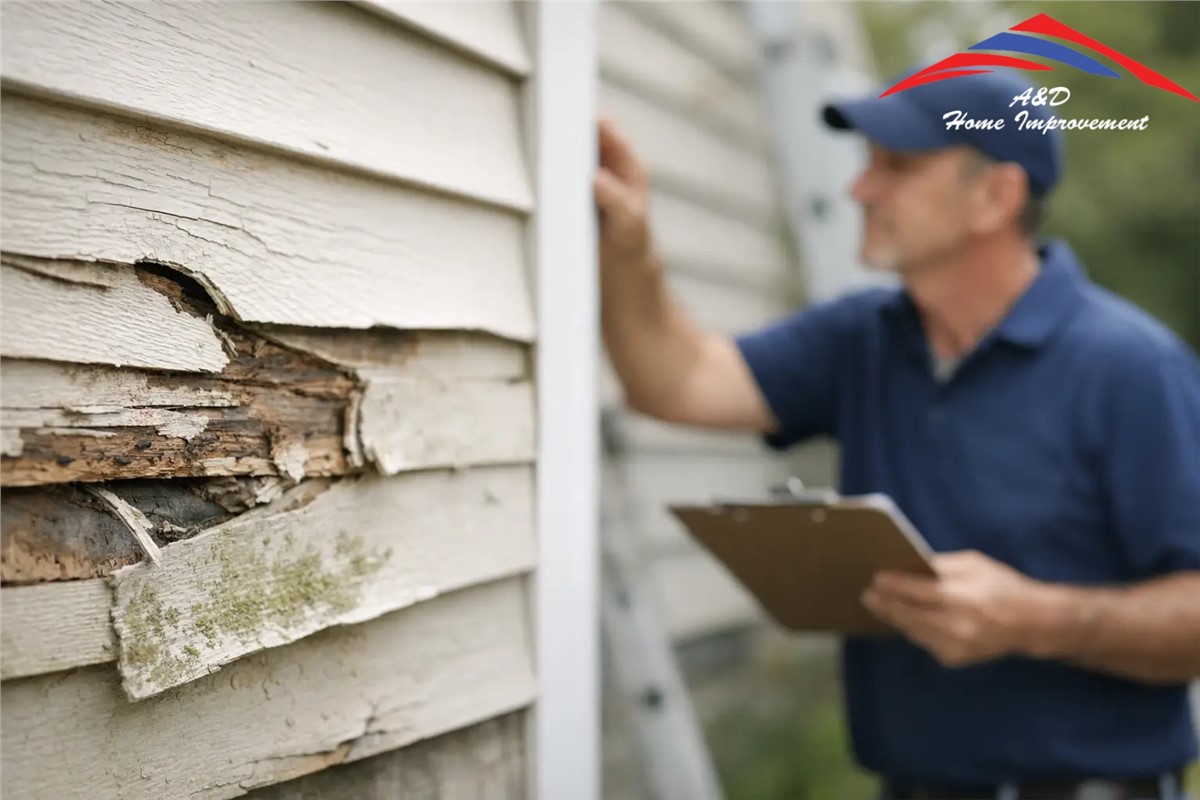
Most insurance restoration jobs follow the same general sequence, even if the exact pace changes. After storm damage is discovered, the first step is documenting the condition of the property. That usually includes a professional inspection, photos, notes on affected areas, and a review of what damage appears storm-related versus what may be wear and tear.
Once the claim is filed, the insurance carrier assigns an adjuster or schedules an inspection. In a lighter claim season, this can happen within a few days. After a widespread hail or wind event, it may take longer. In the Chicago market, high-volume storm periods can stretch that initial wait, especially when entire neighborhoods are filing claims at the same time.
After the inspection, the carrier issues a scope of loss or an estimate. This outlines what the insurer agrees to cover based on the policy and their findings. If the contractor's inspection shows additional legitimate storm damage that was missed or undervalued, there may be a supplement process. That can add time, but it is often necessary to make sure the repair is properly funded.
Once the scope and pricing are aligned, materials are ordered, permits are handled if required, and work is scheduled. Construction itself may be relatively fast for a straightforward roof replacement, while larger exterior restoration projects involving siding, gutters, windows, or commercial roofing systems can take more coordination.
The final stage is completion, final invoicing, and any remaining insurance paperwork. If recoverable depreciation applies, that final documentation often triggers the release of the last portion of claim funds.
What a typical insurance restoration timeline looks like
A simple residential roofing claim may move from inspection to completed work in a few weeks. A more complex loss involving multiple trades or disputed scope items can take several months. That range is normal.
In many cases, the first inspection happens within one to seven days after you call a contractor, assuming conditions are safe and accessible. Filing the claim may happen the same day or shortly after. The insurance adjuster inspection may follow within a few days, but after a major storm it can take one to three weeks or more.
The estimate review and approval stage often takes another several days to two weeks. If supplements are needed, that phase may extend further depending on how quickly documentation is submitted and reviewed. Material ordering and scheduling can add another one to three weeks, especially for specialty siding colors, premium shingles, custom windows, or products affected by seasonal demand.
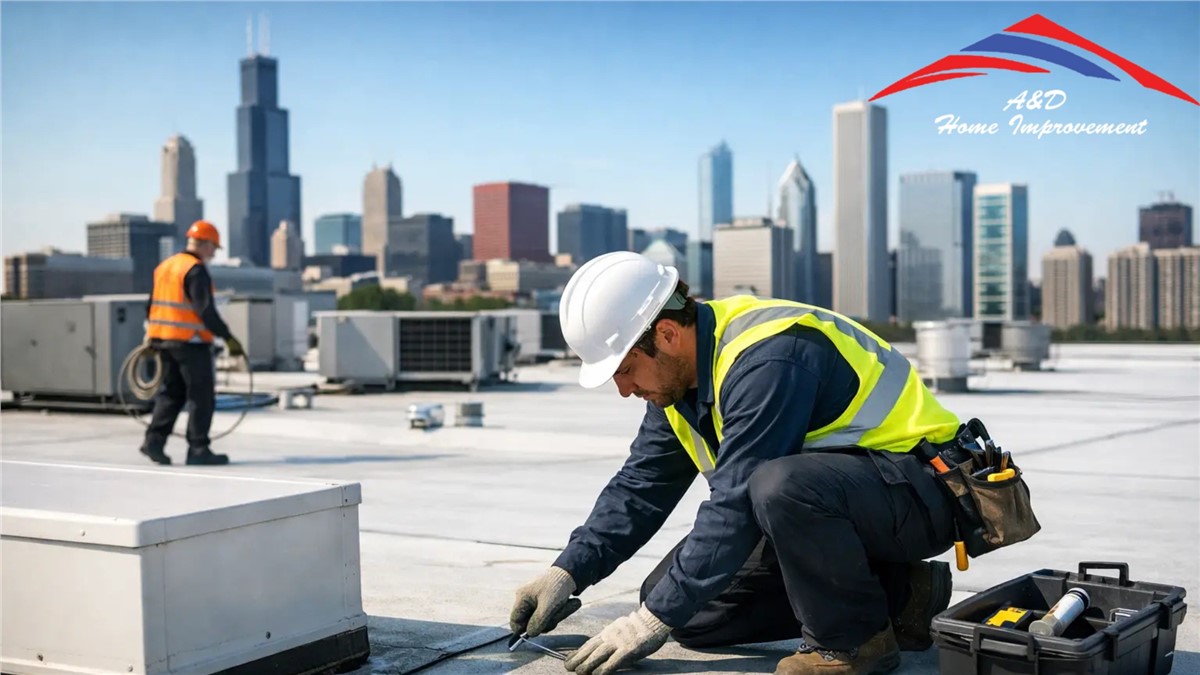
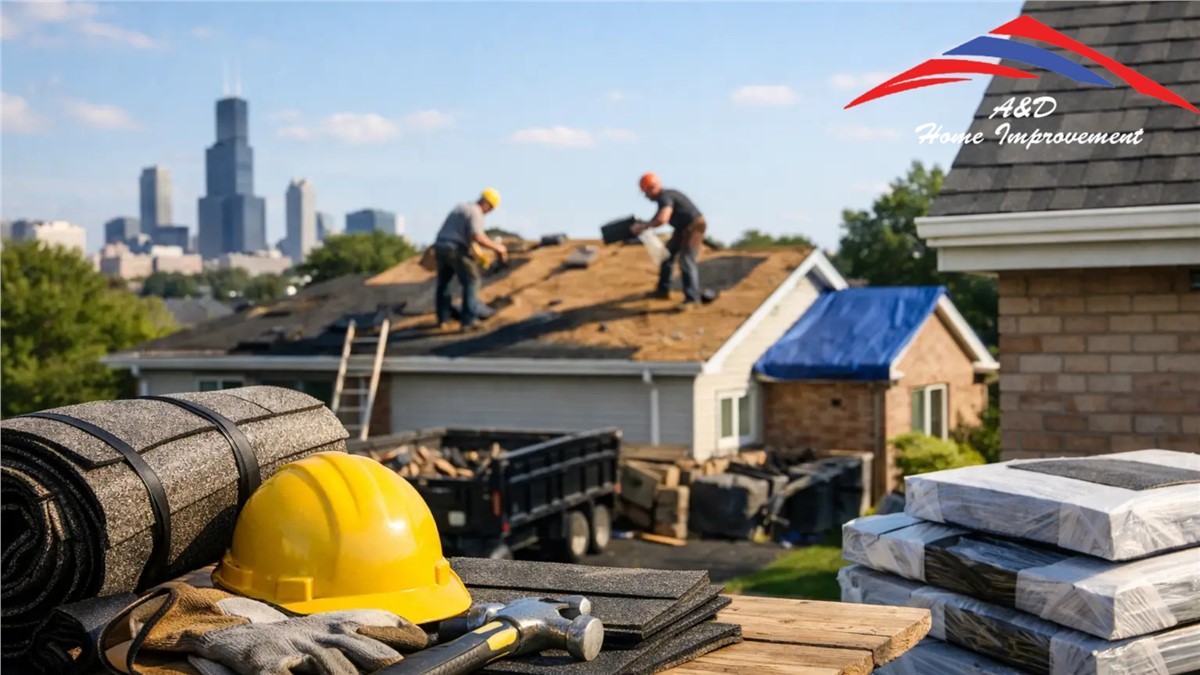
Once work begins, roof replacement is often completed in one to two days for many homes, while siding and window restoration may take longer. Commercial properties usually have a broader timeline because access, safety planning, tenant coordination, and building-specific requirements all need to be managed carefully.
So if you want a realistic answer, not a sales pitch, the insurance restoration timeline explained for most exterior claims is usually measured in weeks, not days. The exception is emergency mitigation, which should happen right away when the property needs immediate protection.
Why some claims move faster than others
Two homes on the same block can have very different claim timelines. The biggest factor is claim complexity. A clean hail claim on an asphalt roof is easier to inspect and scope than a mixed-loss project involving roofing, gutters, siding, fascia, and interior water intrusion.
Your policy also matters. Deductibles, exclusions, depreciation terms, and actual cash value versus replacement cost coverage can all affect next steps. If the paperwork is unclear or the carrier requests more information, the process slows down.
Contractor documentation plays a major role too. Clear photos, accurate measurements, storm-date context, and line-item support can help prevent avoidable back-and-forth. When the inspection and estimating process is precise, approval tends to move more smoothly.
Timing within the season matters as well. In Illinois, storm damage claims often cluster in spring and summer. That creates pressure across the whole system - carriers, adjusters, suppliers, permit offices, and installation crews. A local contractor with an organized process is valuable here because scheduling and communication become just as important as the repair itself.
Common delays property owners should expect
The most common delay is waiting for the adjuster after a major weather event. That is frustrating, but it is standard during high-volume claim periods. Another common issue is incomplete scope approval. If an initial estimate misses necessary items, the project should not be rushed forward just to save time. It is better to resolve scope questions before construction starts.
Material lead times can also affect scheduling. Basic roofing materials are often easier to source quickly than custom-color siding or specialty windows. Weather itself can push dates too. Exterior work needs safe conditions, and Chicagoland weather does not always cooperate.
There are also delays caused by avoidable communication gaps. Missed calls, unsigned documents, slow payment processing, and uncertainty about mortgage company endorsements can all add unnecessary downtime. Good project management helps prevent that, but property owners should also stay responsive.
How to keep your restoration project on track
The best way to speed up a claim is to be prepared before the insurance company asks for something. Start with a prompt inspection and document visible damage early. Save photos, note the date of the storm if known, and keep records of any leaks or immediate concerns.
Choose a contractor who understands insurance restoration, not just basic replacement work. There is a difference. Storm restoration requires accurate damage identification, familiarity with carrier paperwork, and the ability to support legitimate supplements when needed. It also helps to work with a company that handles the full exterior scope when multiple systems are affected.
Ask direct questions about scheduling, claim support, permits, product lead times, and what happens if the carrier underestimates the loss. Straight answers early are a good sign. So is a clearly defined process.
It is also smart to make temporary protection a priority. If your roof is actively leaking or the exterior envelope is compromised, emergency measures may be needed before the full claim is finalized. That step protects the property and may help reduce secondary damage.
Insurance restoration timeline explained for roofing and exterior work
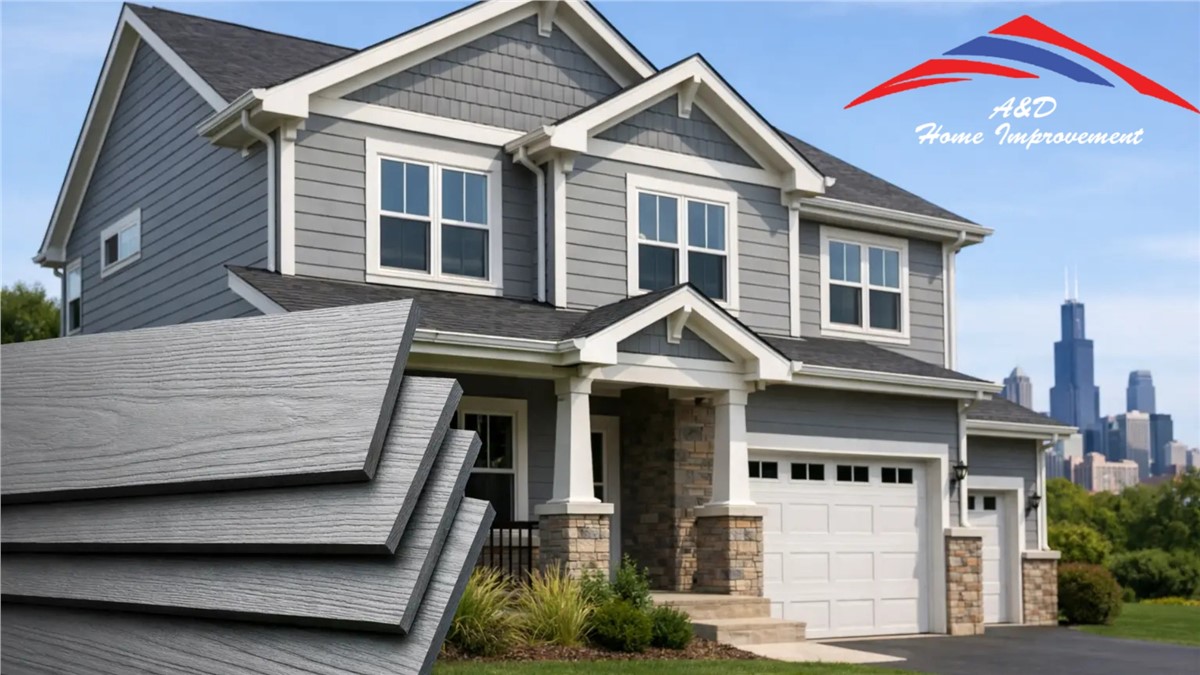
Roofing claims usually move faster than projects involving several exterior systems, but not always. If a storm affects shingles, gutters, downspouts, fascia, siding, and windows, the timeline grows because each trade has its own measurements, materials, and install sequencing.
That is why a full-service exterior contractor can simplify the process. Instead of coordinating multiple companies, you are working through one project path with one standard for documentation, scheduling, and workmanship. For property owners looking for fewer handoffs and clearer accountability, that matters.
For example, a roof may need to be completed before gutter installation, while siding work may need to be sequenced around trim or window replacement. If those moving parts are not organized from the start, delays stack up quickly. Companies such as A&D Home Improvement build that coordination into the restoration process, which helps customers move from claim to completion with less confusion.
What to expect after the work is done
Completion does not always mean the claim is fully closed that same day. Final photos, invoices, certificate paperwork, and depreciation recovery documents may still need to be submitted. If your mortgage company is listed on the claim check, endorsement and disbursement can also take time.
This last phase is easy to overlook, but it matters. You want clean documentation, clear warranty information, and confirmation that all approved work matches the final scope. A professional contractor should make this part feel organized, not rushed.
If there is one practical takeaway, it is this: insurance restoration works best when speed and accuracy are balanced. Fast is helpful, but complete and properly documented is what protects your property, your claim value, and your long-term results. When you know what the timeline should look like, it is easier to spot progress, ask better questions, and move forward with confidence.
Subscribe to A&D Home Improvement's Blog