A few missing shingles after a Chicago-area storm can turn into a much bigger problem if the damage is not documented correctly from the start. An insurance claim roof inspection is one of the most important steps in the restoration process because it helps establish what happened, how extensive the damage is, and what your policy may cover.
For homeowners and property managers, this is where confidence matters. You do not want guesswork, vague photos, or a rushed opinion when your roof, siding, gutters, or interior could be exposed to more damage. You want a clear inspection process, accurate documentation, and a contractor who understands both storm restoration and the standards insurers use when evaluating a claim.
What an insurance claim roof inspection actually involves
An insurance claim roof inspection is not the same as a quick estimate or a basic maintenance check. It is a focused evaluation of storm-related roof damage, usually caused by hail, wind, falling debris, or heavy weather events. The goal is to identify visible and functional damage, record it thoroughly, and help support a claim with evidence that matches what the insurance carrier will review.
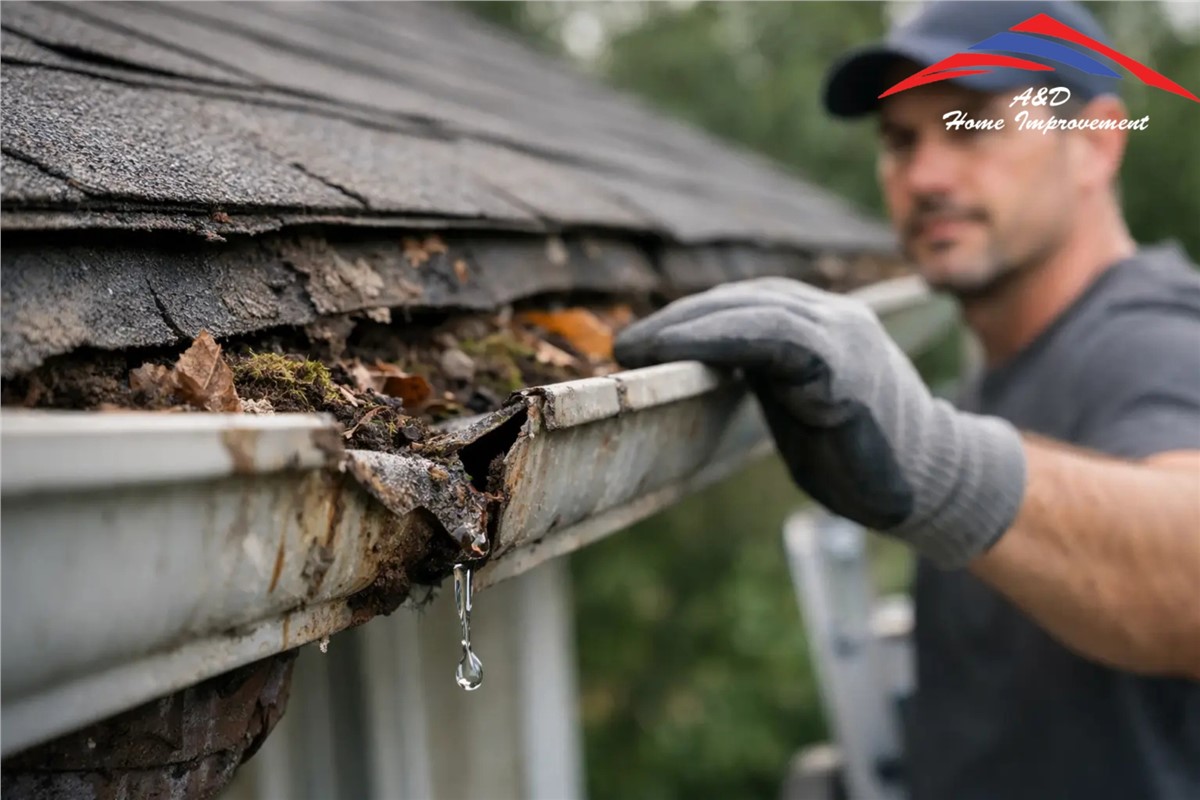
That usually starts with a full exterior assessment. The inspector looks at shingles or roofing membranes, flashing, vents, ridge caps, valleys, gutters, downspouts, soffit, fascia, and other components that may show signs of impact or wind lift. On some properties, window wraps, siding, and detached structures are also checked because storm damage rarely affects just one surface.
Inside the property, the inspection may include attic spaces, ceilings, and areas where moisture intrusion, staining, or ventilation issues appear after the storm. That matters because insurance companies often want to see whether the roof damage has led to secondary issues, and whether those issues are consistent with the reported loss.
Why documentation makes or breaks the claim
The inspection itself is only part of the job. The real value comes from the quality of the documentation. Clear photos, marked damage locations, notes on material condition, and measurements all help create a more complete picture for the adjuster.
This is where many claims slow down. If the damage is real but poorly recorded, it may be undervalued or treated as normal wear and tear. If the roof is older, the line between storm damage and age-related deterioration can become a point of dispute. A professional inspection helps separate those issues so the claim is based on evidence, not assumptions.
In Illinois, weather can be especially hard on roofing systems. Hail bruising, granule loss, lifted shingles, creased tabs, punctures, and flashing displacement may not look dramatic from the ground, but they can still reduce the roof's ability to protect the structure. A detailed inspection puts those findings in writing and helps support a fair review.
What adjusters usually look for during an insurance claim roof inspection
Insurance adjusters are focused on cause, scope, and policy relevance. They want to confirm that the damage came from a covered event and not from deferred maintenance or an aging roof that was already failing. That means they are looking for patterns that match recent storm activity, along with clear physical signs on the roofing materials and related exterior components.
They may check whether the damage appears random or directional, whether it is isolated to soft metals and roof slopes exposed to hail or wind, and whether surrounding surfaces show similar impact. They also compare the claimed damage with the age and condition of the roof. If a roof had visible issues before the storm, that can affect how the loss is evaluated.
This is one reason it helps to have a contractor present during the adjuster visit. A qualified roofing professional can point out damaged areas, explain why the findings are storm-related, and make sure nothing is missed. That does not guarantee approval, but it does improve accuracy.
The difference between storm damage and normal wear
Not every roof problem belongs in an insurance claim. Cracked sealant, long-term granule loss, brittle shingles, poor ventilation, and installation defects are usually maintenance or age issues rather than covered storm events. A dependable contractor should be honest about that.
That honesty protects you. Filing a claim for damage that is not storm-related can waste time and create frustration when the insurer denies it. On the other hand, some legitimate storm damage gets dismissed too quickly because it is subtle. Creased shingles from wind uplift, bruising from hail, or hidden flashing damage may not stand out to an untrained eye.
A thorough inspection should make that distinction clearly. It should tell you whether you likely have a viable claim, whether spot repairs may be enough, or whether the roof system has been compromised enough to justify full replacement. The right answer depends on the extent of damage, local code requirements, repairability, and what the policy allows.
Timing matters after a storm
The best time to schedule an insurance claim roof inspection is soon after you notice storm activity or signs of damage. Waiting too long can make the process harder. Wind-damaged shingles can blow off completely, hail marks can become harder to tie to a specific date of loss, and water intrusion can create additional interior issues that complicate the timeline.
Most policies also have reporting requirements. Even if you are not ready to file immediately, it helps to know the condition of the roof while the event is still recent. An early inspection gives you options. You can decide whether to move forward with a claim, make temporary protective repairs, or monitor the damage with a documented baseline.
If emergency tarping or leak control is needed, that should be handled quickly to prevent more loss. Insurance carriers generally expect property owners to take reasonable steps to protect the home after a storm.
What property owners should do before the inspection
You do not need to prepare much, but a few simple steps can help. If you saw the storm happen, note the approximate date and what you observed, such as hail size, strong winds, or fallen branches. Take photos from the ground if it is safe to do so. Inside, document any ceiling stains, active leaks, or attic moisture.
It also helps to gather basic insurance information and any records of prior roof work or previous claims. That history can matter if the carrier asks about age, repairs, or prior damage. If your roof is steep or storm conditions are still unsafe, stay off it. A proper inspection should be done by trained professionals with the right equipment.
Why contractor experience affects the outcome
Storm restoration is not just roofing. It is roofing, documentation, code awareness, insurance process familiarity, and the ability to build the approved scope correctly once the claim moves forward. That is why experience matters.
A contractor who handles insurance-related storm work regularly can identify damage that less experienced inspectors may overlook. They also understand how to organize photos, measurements, and repair logic in a way that supports the claim process without overstating the facts. That balance matters. Insurance carriers respond better to precise, defensible documentation than to inflated promises.
For Chicago suburban properties, local experience adds another layer of value. Roofing systems here deal with hail, freeze-thaw cycles, high winds, heavy snow loads, and rapid weather swings. Inspection findings should be interpreted by someone who understands how those regional conditions affect shingles, flashing, ventilation, and drainage over time.
If the claim is approved, what comes next
Once the claim is approved, the next step is aligning the insurance scope with the actual work needed. Sometimes that is straightforward. Other times, supplements are needed if code items, hidden damage, or related exterior components were not included in the original estimate.
This is where a full-service exterior contractor can simplify the process. If the storm affected roofing, gutters, siding, or other systems, coordinating the work through one qualified team often reduces delays and helps maintain a cleaner, more consistent result. A&D Home Improvement works with property owners across the Chicago suburbs on storm-related exterior restoration with that kind of process-driven approach.
Just as important, the installation itself should meet manufacturer standards and local code requirements. A successful claim is not only about getting approval. It is about ending up with a roof system that is built to perform through the next round of Illinois weather.
When it makes sense to request an inspection
If your neighborhood recently had hail or strong winds, if you see shingles in the yard, if gutters or downspouts are dented, or if a leak appeared after a storm, it makes sense to have the roof checked. Even if the damage turns out to be minor, that clarity is valuable.
A professional inspection gives you facts. It helps you make a lower-risk decision, whether that means filing a claim, scheduling repairs, or planning a replacement on your own timeline. When your roof is protecting your home or commercial property, certainty is worth more than guesswork.
The right inspection does not pressure you into a claim. It gives you a clear understanding of the damage, the likely insurance path, and the best next step for protecting your property with confidence.
Subscribe to A&D Home Improvement's Blog