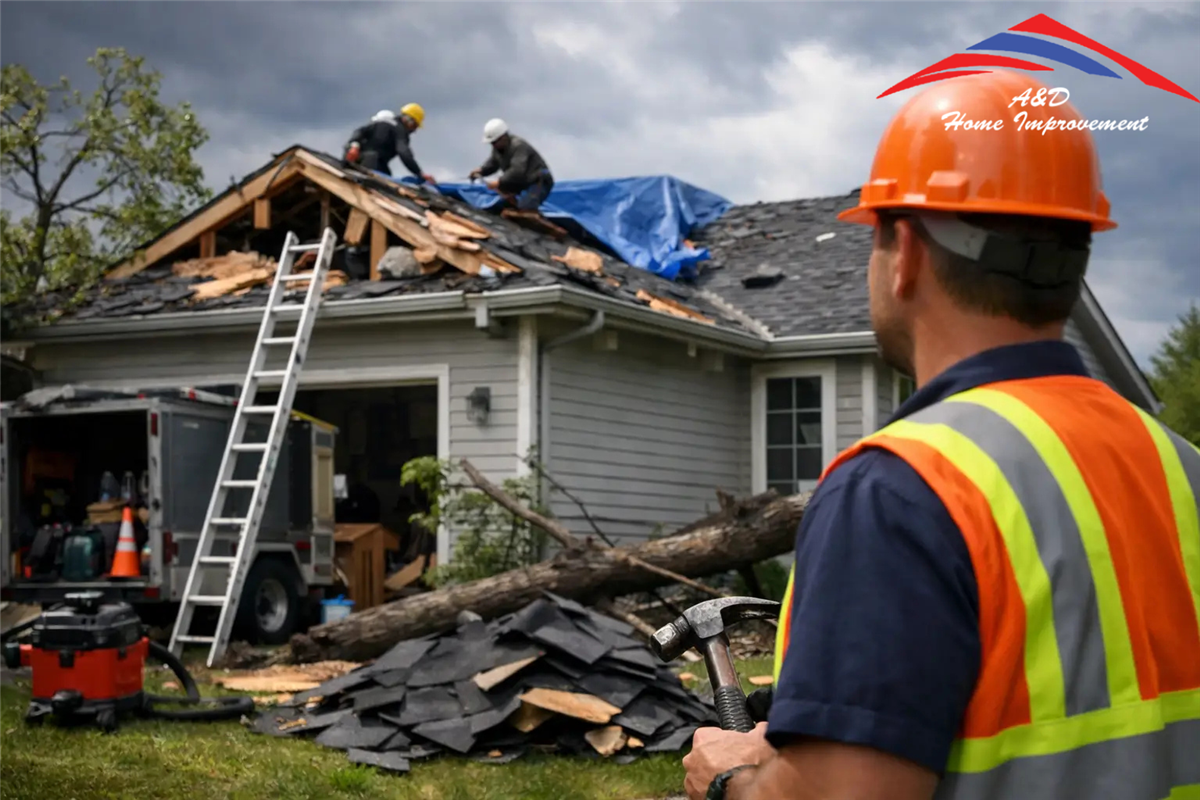
A loud overnight storm can leave you with more than a mess in the yard. In the Chicago suburbs, hail, wind, and heavy rain often cause hidden exterior damage that gets worse fast if it is missed. This storm damage restoration guide is built for property owners who need clear next steps, reliable repairs, and a process that protects both the building and the insurance claim.
The first priority is safety. If a tree limb is down on the roof, power lines are nearby, or water is actively entering the property, keep people away from the area and address immediate hazards first. Storm restoration starts with urgent protection, but the long-term result depends on what happens in the first 24 to 72 hours.
What storm damage restoration actually includes
Storm damage restoration is not just patching a leak or replacing a few shingles. It is the full process of identifying storm-related damage, preventing additional loss, documenting what happened, coordinating with insurance when applicable, and completing repairs or replacement to restore performance and appearance.
For most Illinois homes and commercial buildings, that means looking beyond the roof. Hail and wind can damage shingles, flashing, gutters, fascia, soffit, siding, window trim, and even attic ventilation. In some cases, insulation and interior drywall are affected too. A proper restoration plan looks at the entire exterior system because weak points tend to show up together.
That matters in our climate. A roof that took hail impact in spring may not leak immediately, but it can become vulnerable during summer storms and winter freeze-thaw cycles. The same is true for siding loosened by wind or gutters pulled out of alignment. Small issues rarely stay small for long.
First steps in a storm damage restoration guide
After the storm passes, take a slow, methodical approach. Start from the ground if possible. Look for missing shingles, dented gutters, siding panels out of place, damaged window screens, displaced downspouts, and debris impact around the property. If you see granules collecting near downspouts or on walkways, that can signal roof wear from hail or high winds.
Photos matter. Take wide shots of each elevation of the property, then closer photos of visible damage. Include damaged landscaping, fence sections, HVAC fins, and outdoor fixtures if they were hit. Those details can help establish the severity and direction of the storm event.
It is also smart to make notes right away. Record the date of the storm, the approximate time, and what you observed inside and outside. If you noticed active leaking, ceiling stains, or drafts near windows after the storm, write that down. Insurance claims and repair conversations go more smoothly when details are documented early.
Temporary protection may be needed, but this is where judgment matters. If water is coming in, emergency tarping or board-up service can help prevent further damage. Still, temporary work should not replace a full inspection. A covered area can make the property look better while hidden moisture or impact damage continues underneath.
Common storm damage homeowners miss
Obvious damage gets attention. The less obvious damage is often what creates expensive problems later.
Hail can bruise asphalt shingles without tearing them off. From the ground, the roof may look fine. Up close, the protective granule layer may be knocked loose, exposing the mat underneath and shortening the roof's life. Wind can break seal strips or lift shingles enough to crease them, even if they settle back into place. That kind of movement weakens the system and increases the chance of future blow-offs.
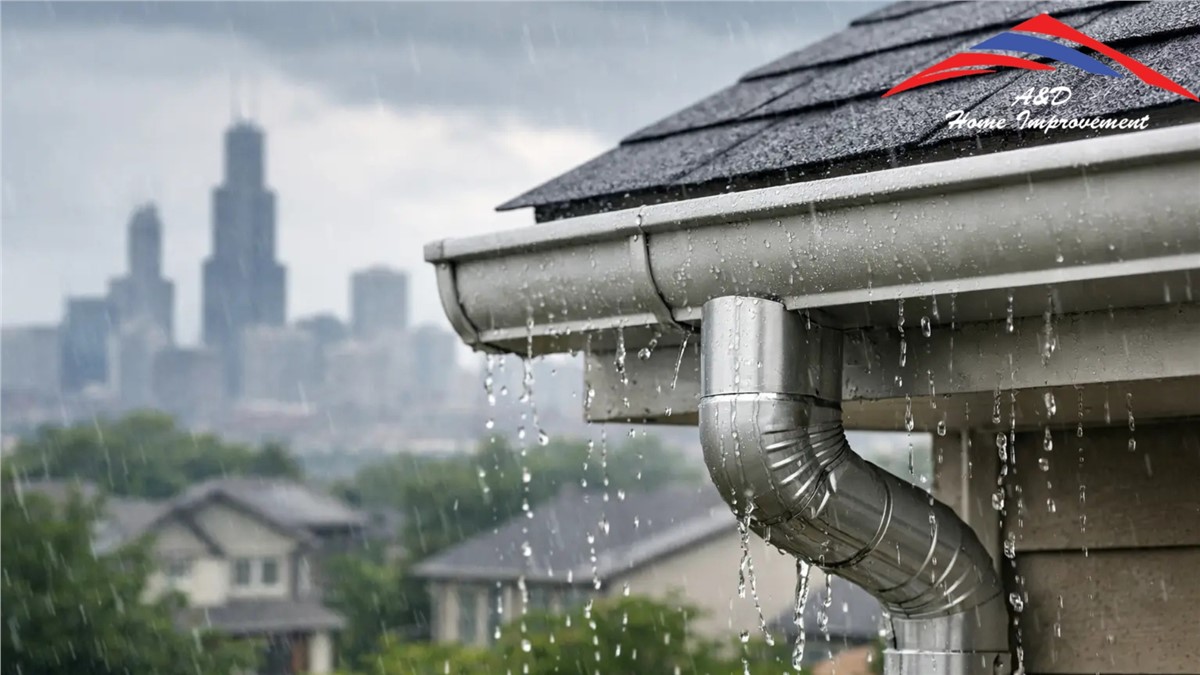
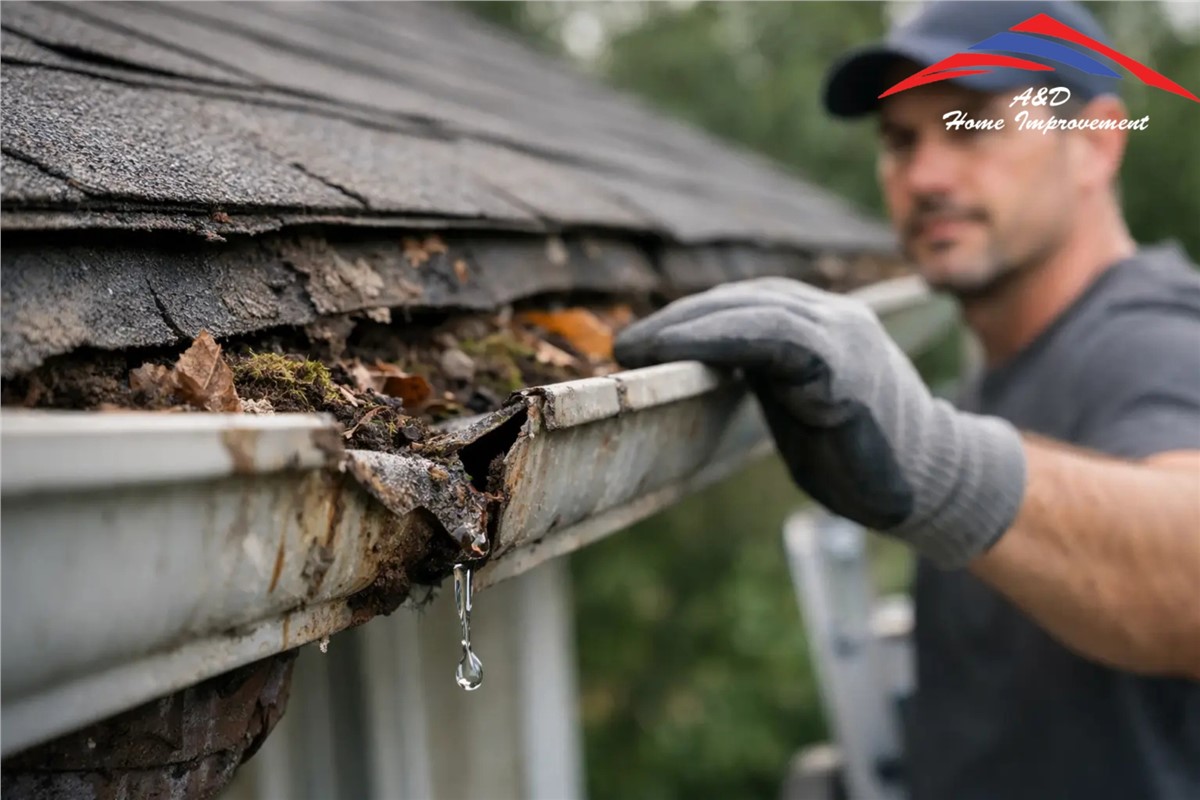
Siding damage is also easy to underestimate. A cracked panel, loosened seam, or impact mark may seem cosmetic, but water can work behind the cladding and affect sheathing over time. Gutters are another common issue. A dented or misaligned gutter may still hold water for now, yet poor drainage can lead to fascia rot, foundation pooling, and ice problems later in the year.
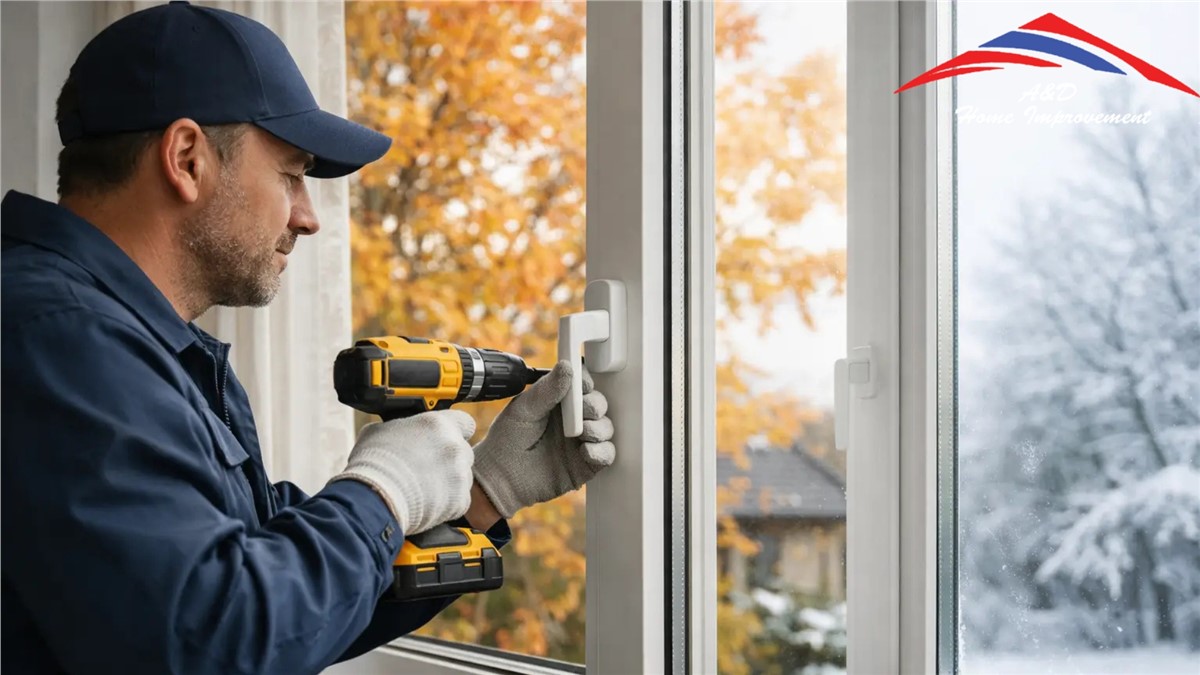
Windows deserve a close look too. Storm pressure and debris impact can damage seals, trim, or frames. If windows suddenly feel drafty or show signs of moisture between panes, the storm may have done more than cosmetic harm.
When to call a contractor and when to call insurance
A practical storm damage restoration guide should be honest here: it depends on the severity of the event and the age and condition of the exterior before the storm.
If there is active leaking, visible structural damage, or clear impact to roofing, siding, gutters, or windows, bring in a qualified exterior contractor quickly for a documented inspection. A thorough contractor assessment can help you understand whether the issue calls for isolated repairs or a broader insurance-supported restoration claim.
Insurance should generally be contacted when the damage is sudden, storm-related, and significant enough to justify a claim after factoring in your deductible. That said, not every damaged roof should automatically become a claim. If the damage is minor, or if the roof was already near the end of its life, the best path may be different. This is where a straightforward inspection and honest recommendation matter.
For many property owners, the most helpful approach is to have a contractor inspect first, explain what is storm-related, and provide photos and scope details before the adjuster visit. That creates a more informed conversation and reduces the chance of overlooked damage.
What a strong inspection and restoration process looks like
A good restoration process is organized, documented, and easy to follow. That matters because storm projects often involve urgency, insurance communication, material choices, and scheduling pressure all at once.
The process should start with a full exterior inspection, not just a quick glance at the roof. Roofing, siding, gutters, windows, flashing, and ventilation should all be reviewed. If there is attic access, signs of moisture intrusion, insulation disturbance, or ventilation imbalance should be noted too.
Next comes documentation. Clear photos, marked damage areas, and a written scope help establish exactly what needs to be addressed. If insurance is involved, this documentation supports the claim and helps align contractor and adjuster expectations.
Then there is the repair-versus-replacement question. This is one of the biggest decision points. If a limited section is damaged and the surrounding system is still in strong condition, a targeted repair may be the right move. But if storm damage affects multiple slopes, compromises matching, or reveals broader aging, replacement often provides better long-term value. The lower upfront option is not always the lower-cost option over time.
Material selection should also reflect local weather conditions. In the Chicago area, that means choosing products and installation methods built for wind resistance, water management, and seasonal temperature swings. Certified installation standards and manufacturer-backed systems make a difference here. Storm restoration is not just about making the property look normal again. It is about restoring performance for the next storm too.
Choosing the right contractor for storm restoration
Storm events tend to bring out aggressive sales tactics, especially after hail season. Property owners should be careful about making fast decisions based on pressure, vague promises, or unusually low pricing.
Look for a contractor with a strong local presence, clear credentials, and experience handling full exterior restoration. Roofing expertise matters, but so does the ability to assess siding, gutters, windows, and insulation when those systems are part of the damage pattern. The best results usually come from companies that can manage the project as a whole rather than piecing it together through multiple trades.
Ask practical questions. Are they certified by major manufacturers? Do they offer workmanship warranties in addition to product warranties? Can they explain the insurance process clearly without overpromising claim outcomes? Do they provide detailed scopes and timelines? A dependable contractor should make the process feel more structured, not more confusing.
For many local property owners, working with an established company like A&D Home Improvement offers an advantage because the work is built around Illinois weather demands, recognized installation standards, and a service process that supports both repairs and full replacement when needed.
How to avoid delays and claim problems
Delays often happen because damage was poorly documented, temporary repairs were handled without records, or the scope of work was too vague from the start. Good organization prevents a lot of frustration.
Keep all storm-related photos, inspection notes, receipts, and claim correspondence in one place. If emergency work is done, ask for photos before and after. If an adjuster visits, compare the assessment with the contractor's findings. Differences are common, and they do not always mean someone is acting in bad faith. Sometimes damage is simply easier to identify from one inspection than another.
It also helps to move quickly but not recklessly. Waiting too long can lead to more damage and more difficult claim conversations. On the other hand, signing with the first person who knocks on the door after a storm is rarely the best decision.
A storm-damaged exterior should come back stronger
The best restoration work does more than replace what was lost. It improves drainage, reinforces vulnerable areas, restores curb appeal, and gives you confidence when the next storm line moves through. If your property has been hit by hail or wind, the right next step is not guessing from the driveway. It is getting a careful inspection, a clear scope, and a restoration plan that protects your investment for the long run.
Subscribe to A&D Home Improvement's Blog