Why roof planning matters
Roof replacement is not just a cosmetic upgrade. In this region, your roof has to handle snow loads, freeze-thaw cycles, strong summer storms, hail, wind, and wide temperature swings. That means planning is not only about selecting a shingle color or getting a price. It is about choosing a roofing system that fits the structure, ventilation needs, drainage patterns, and weather exposure of your property.
Poor planning often shows up later as premature wear, ice dam issues, attic moisture, or warranty problems. A lower quote can become expensive if the installation shortcuts lead to repairs in a few years. On the other hand, a well-planned replacement can improve protection, energy performance, resale confidence, and long-term value.
Start with the real reason for replacement
Every roof project has a trigger, and that trigger affects the right plan. If your roof is simply old, you may have time to compare systems, review financing, and schedule the work around your calendar. If the roof has storm damage, the process may involve documentation, insurance coordination, and a faster timeline. If you are replacing a roof during a home sale or after an inspection report, your priorities may lean toward dependability, warranty coverage, and clean project execution.
The key is to understand whether you are dealing with age, visible damage, active leaks, ventilation issues, or structural concerns. Those are not all solved the same way. A roof that looks worn may still have years left if the problem is isolated. A roof with repeated leaks may need full replacement even if some sections still look acceptable from the ground.
Roof replacement planning guide: what to decide first
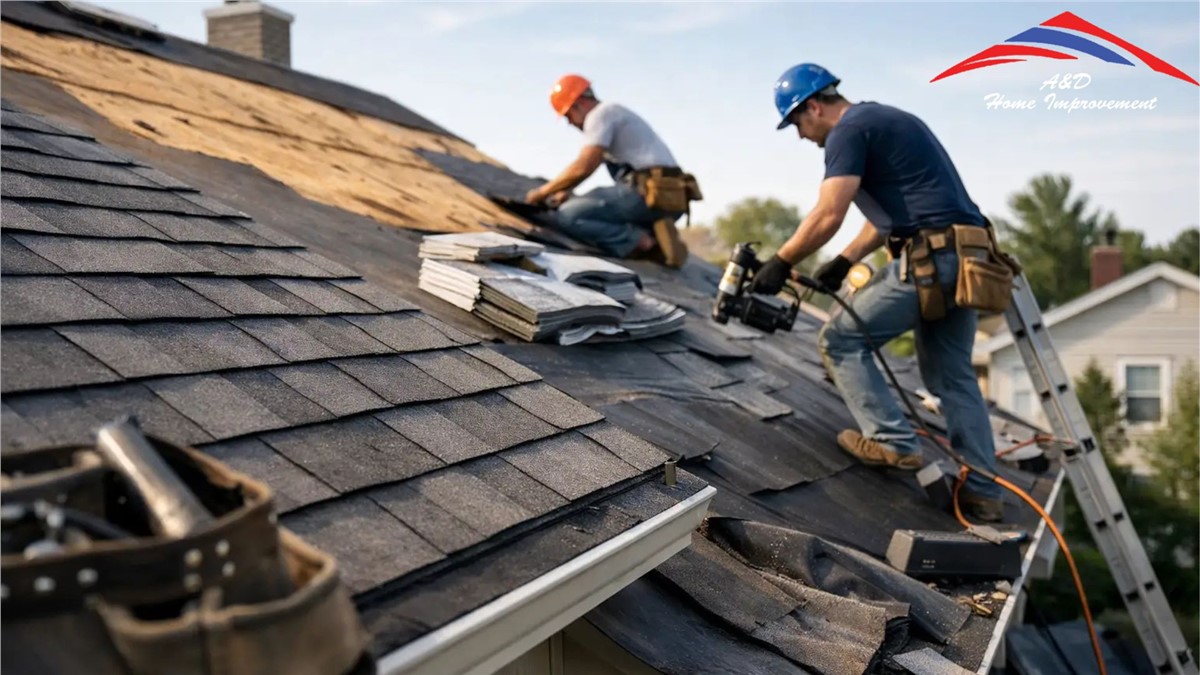
The first decision is scope. Are you replacing shingles only, or does the project need decking repairs, upgraded flashing, new underlayment, improved intake and exhaust ventilation, or gutter replacement at the same time? Bundling related exterior work can save labor and avoid future disruption, but it also changes the budget.
The second decision is performance level. Some homeowners want a dependable architectural shingle system with strong warranty protection and solid value. Others want an upgraded system designed for higher wind resistance, better algae protection, enhanced curb appeal, or a longer product lifespan. Neither choice is automatically right. It depends on how long you plan to stay, how exposed the home is to weather, and what matters most to you.
The third decision is timing. Emergency replacement limits your options. Planned replacement gives you room to compare product lines, ask better questions, and choose a contractor based on quality rather than availability alone.
Budgeting beyond the shingle price
Many property owners start by asking what a new roof costs. That is reasonable, but the useful question is what your roof replacement includes. Pricing changes based on roof size, pitch, tear-off layers, material type, flashing complexity, chimney details, ventilation upgrades, code requirements, and wood deck replacement if hidden damage is found.
A realistic budget should also account for accessories and protection details that affect performance. Underlayment, ice and water barrier, ridge vent components, pipe boots, starter strips, ridge caps, and proper flashing work are not minor add-ons. They are part of whether the system performs as intended.
Financing can make a better roof system more practical, especially when replacement is unplanned. For many homeowners, spreading payments out allows them to choose stronger materials or complete related exterior work without delaying a necessary project.
Choosing the right roofing material
For most homes in the Chicago suburban market, architectural asphalt shingles are the most practical fit. They offer a strong balance of appearance, cost, durability, and manufacturer-backed warranty options. Within that category, though, there is still a range of quality. Some shingles are designed for stronger wind performance or longer lifespan, while others are more budget-focused.
Material choice should also match the home. A large custom home, a rental property, a townhouse, and a commercial building do not always call for the same solution. Low-slope sections, dormers, additions, and attached garages may require different details than a simple gable roof.
This is where certified installation standards matter. Premium materials only perform as expected when the full system is installed correctly. That includes how the roof is ventilated, sealed, flashed, and fastened.
Don’t overlook ventilation and attic conditions
One of the most common planning mistakes is treating roof replacement as only an exterior project. In reality, attic ventilation and insulation conditions directly affect roof life. If heat and moisture are trapped in the attic, shingles can age faster and condensation issues can develop even on a brand-new roof.
In Illinois, ventilation is especially important because roofs face both summer heat and winter ice dam risk. A proper balance of intake and exhaust ventilation helps regulate attic temperature and moisture. Sometimes a roof replacement is the ideal time to correct existing ventilation problems because the roofing system is already being opened and rebuilt.
How to evaluate a roofing contractor
A roof replacement is only as good as the company installing it. This is not the place to choose based on the lowest number alone. You want a contractor with local experience, manufacturer certifications, proof of insurance, clear workmanship warranty terms, and a documented process from inspection through final cleanup.
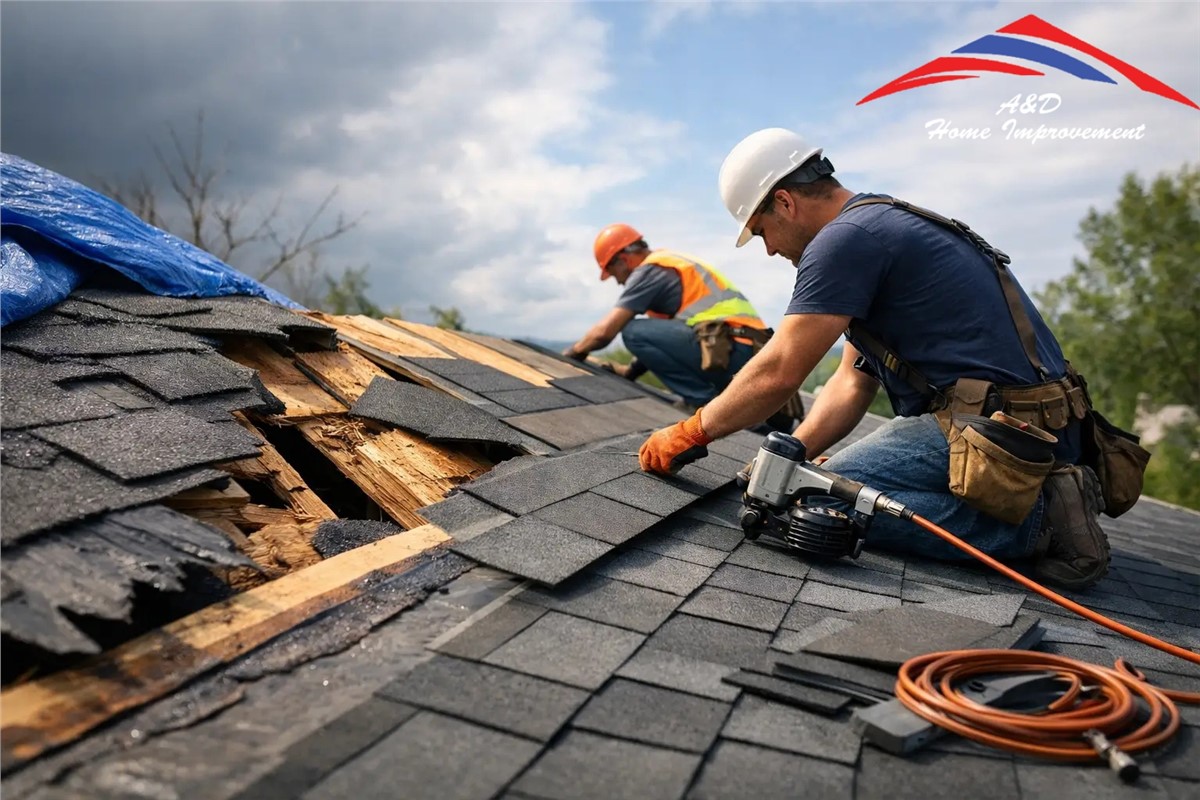
Ask how the company handles decking damage if it is discovered during tear-off. Ask who supervises the crew, how property protection is managed, what ventilation improvements may be recommended, and whether warranty registration is included. A professional contractor should be able to explain the system in plain language and put the scope in writing.
For homeowners in the Chicago suburbs, local experience matters. Weather patterns, municipal codes, seasonal scheduling, and storm-related repair needs are different here than in other regions. A contractor familiar with Illinois conditions is better positioned to recommend materials and installation details that make sense for this market.
Storm damage changes the planning process
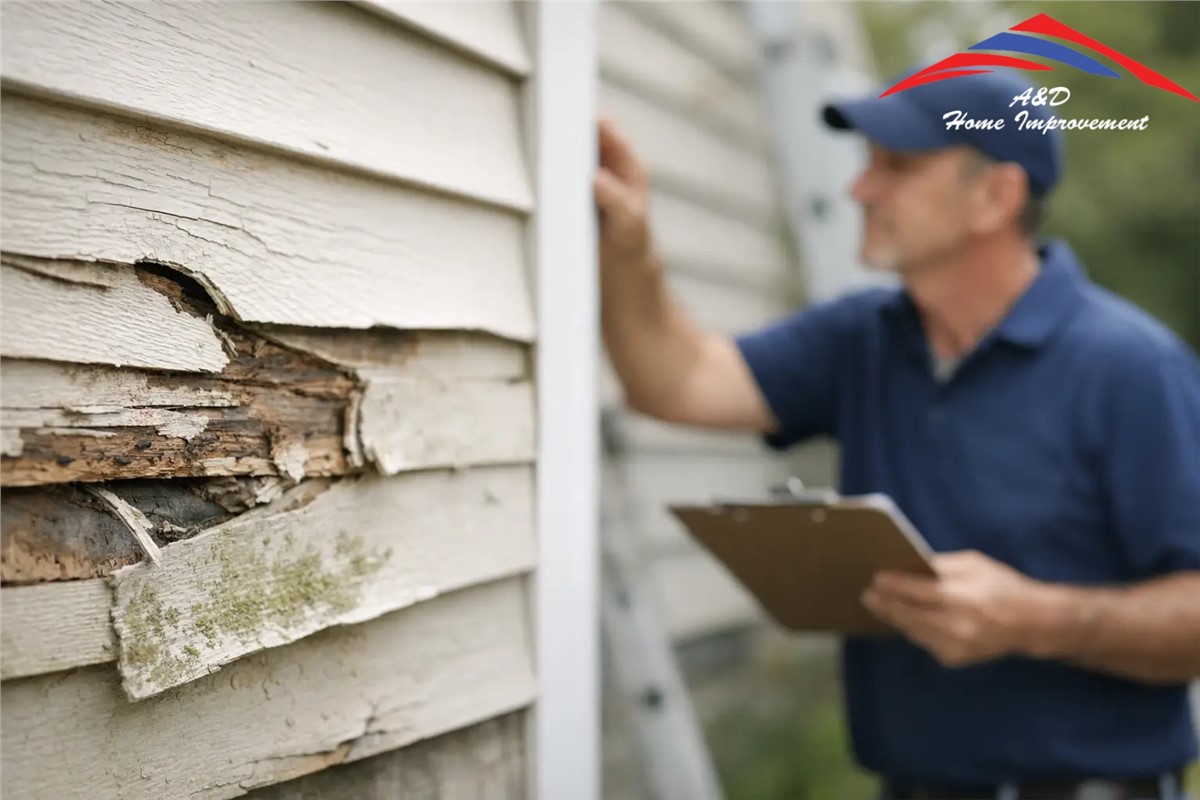
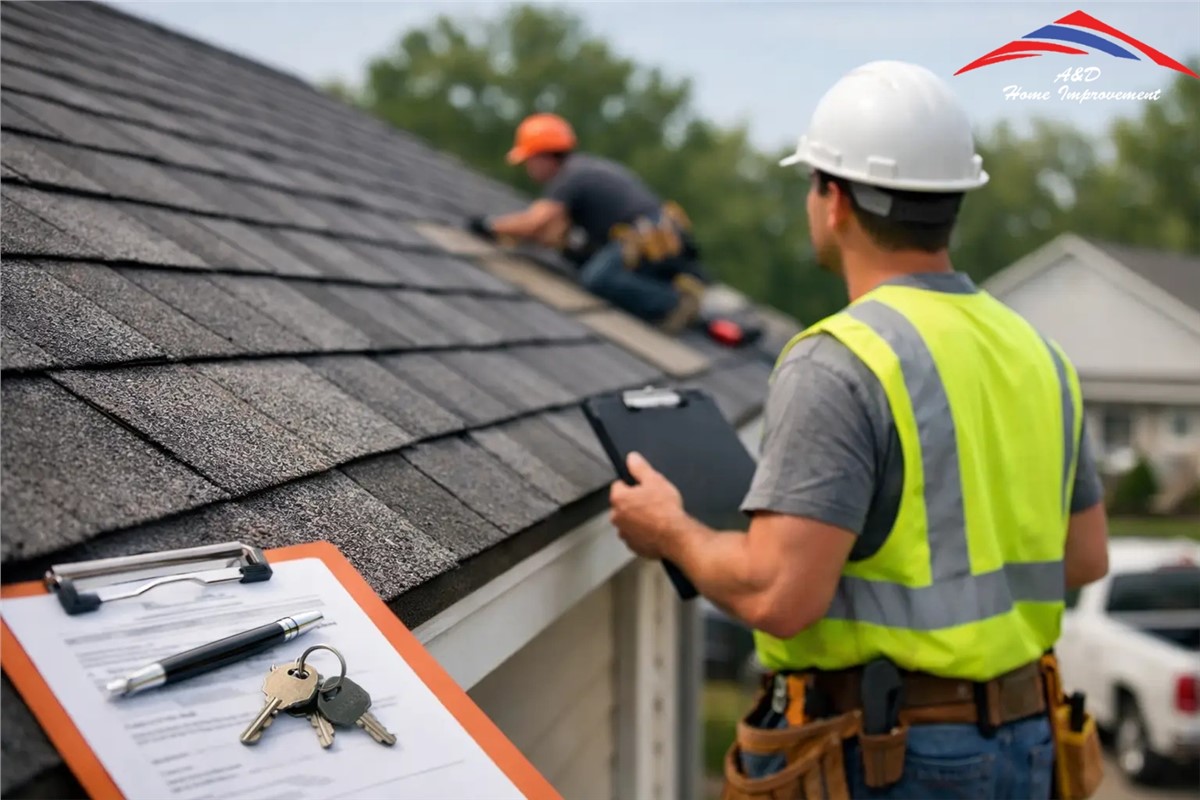
If hail or wind damage is part of the reason for replacement, the planning process often includes insurance documentation. That requires attention to detail from the start. Photos, inspection notes, date of loss information, and a clear explanation of damage all help support the claim process.
Not every roof issue qualifies as storm damage, and not every insurance claim is approved. That is why honesty during the inspection matters. A dependable contractor should identify storm-related issues accurately, explain what appears to be claim-worthy versus age-related wear, and help you understand the next step without overpromising.
A&D Home Improvement works with many property owners facing this exact situation, where storm damage, insurance questions, and timing pressures all intersect. The best outcome usually comes from an organized process, not a rushed one.
Scheduling the project the right way
Roof replacement can be done in many parts of the year, but the ideal schedule depends on weather, product availability, and your property’s condition. Spring through fall tends to offer the most predictable installation windows, though demand is often highest after major storms.
If your roof is aging but not yet failing, planning ahead gives you more control. You can choose materials without pressure, review financing if needed, and schedule before peak emergency season. If leaks are active, waiting can increase interior damage and repair costs.
Homeowners should also think about logistics. Protecting landscaping, moving vehicles, securing pets, and planning around noise are small details that make the project smoother.
A roof replacement planning guide should include long-term value
The best roof plan is not always the cheapest and not always the most premium. It is the one that fits your home, your goals, and the way you want this investment to perform over time. For some property owners, that means a strong architectural shingle system with dependable warranties. For others, it means upgrading ventilation, gutters, or attic insulation at the same time to improve full-system performance.
Long-term value comes from the full picture: material quality, installation standards, warranty coverage, curb appeal, weather resistance, and confidence that the job was done right. That is especially true when a roof protects not just a building, but your daily routine, your family, or your business operations.
If you are starting to think about replacement, the smartest first move is not guessing from the ground. It is getting a professional evaluation that gives you a clear view of condition, options, and next steps. A well-planned roof project should leave you with more than a new surface overhead. It should give you confidence every time the weather turns.
Tags
Subscribe to A&D Home Improvement's Blog