What affects flat roof replacement cost commercial projects?
The biggest cost driver is size, but square footage is only the starting point. A large open roof on a simple industrial building will usually cost less per square foot than a smaller roof with multiple penetrations, rooftop equipment, parapet walls, and poor drainage. Complexity increases labor time, material waste, and detail work.
Roof system selection also has a major impact. TPO is often chosen for its balance of performance, efficiency, and price. EPDM can be a practical option on certain buildings where flexibility and proven durability matter. Modified bitumen and built-up roofing may still make sense for some properties, especially when owners want multi-layer protection. PVC can be more expensive, but it may be worth it for restaurants or facilities exposed to grease, chemicals, or demanding conditions.
The condition of the existing roof is another major factor. If the current roof has trapped moisture, deteriorated insulation, or damaged deck sections, replacement costs rise quickly. The same is true when old flashing details, coping, drains, or curbs need to be rebuilt to meet current standards.
In the Chicago suburbs, weather-readiness matters too. A commercial flat roof has to handle freeze-thaw cycles, heavy rain, snow load, wind exposure, and summer heat. Projects designed for this climate may include upgraded insulation, better drainage design, stronger attachment methods, and higher-performing membrane assemblies. Those choices affect the initial investment, but they are often the reason the roof lasts.
Typical commercial flat roof replacement cost ranges
Most owners want a realistic range before they request estimates. In general, commercial flat roof replacement cost often falls between about $6 and $14 per square foot, but that range can move higher depending on system type, tear-off scope, insulation package, access limitations, and code requirements.
A basic replacement on a straightforward building with easy access and limited repairs may land near the lower end. A premium system with full tear-off, insulation upgrades, custom sheet metal, deck repairs, and complex rooftop details can move well beyond the middle of the range. If the building has multiple layers that must be removed, restricted access for material loading, or specialized warranty specifications, costs can climb further.
That is why price per square foot is useful, but incomplete. Two buildings with the same roof area can have very different final numbers. One may need a clean replacement. The other may need structural corrections, drainage improvements, and extensive flashing reconstruction.
Tear-off, overlay, and hidden conditions
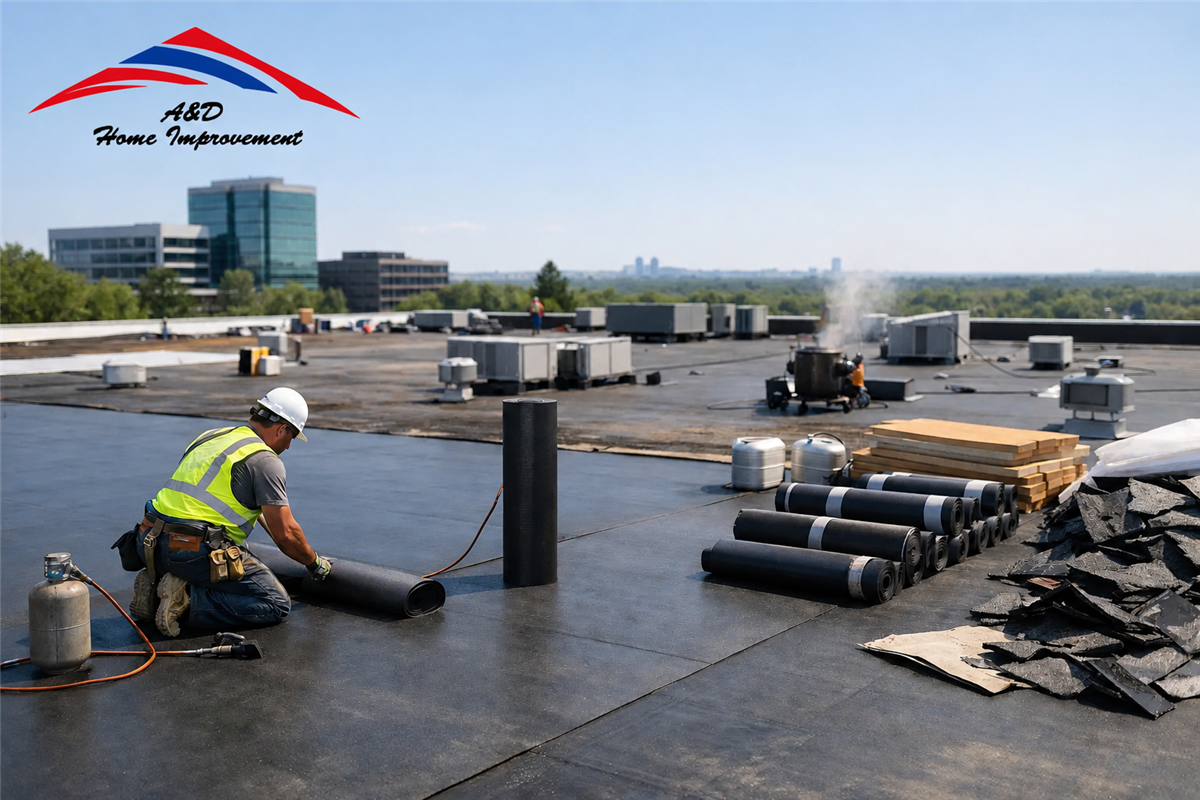
Some commercial buildings qualify for a recover system, where a new membrane is installed over the existing roof assembly. In the right situation, that can reduce labor and disposal costs. It can also limit disruption to tenants or operations.
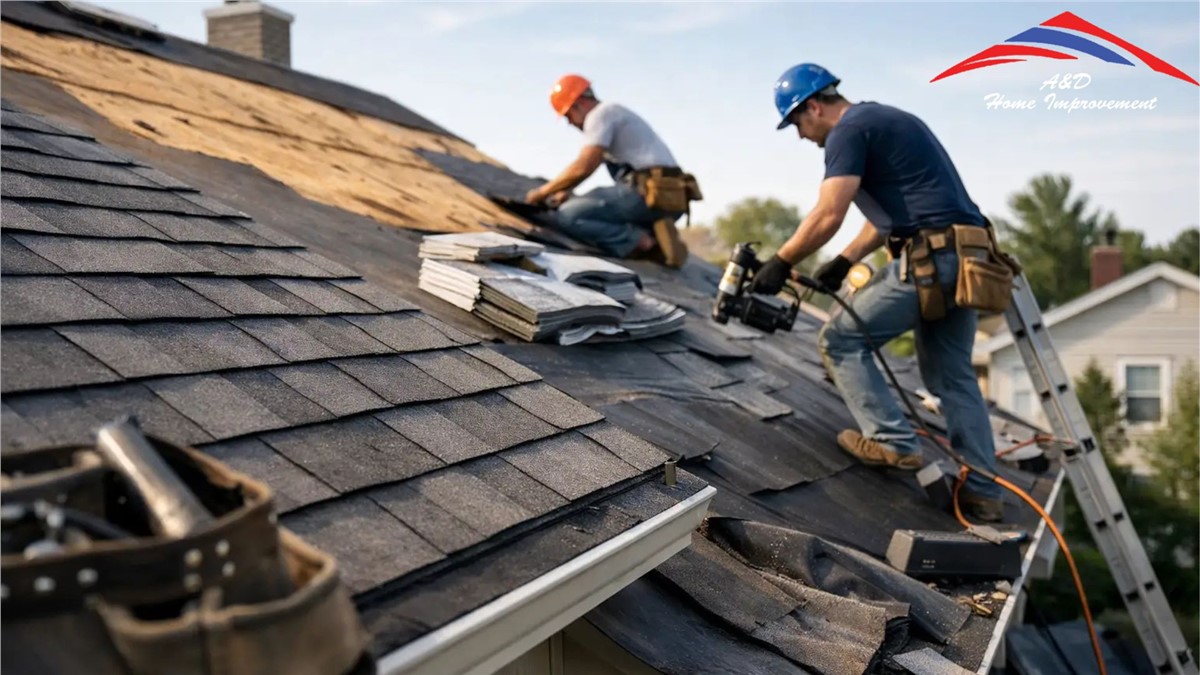
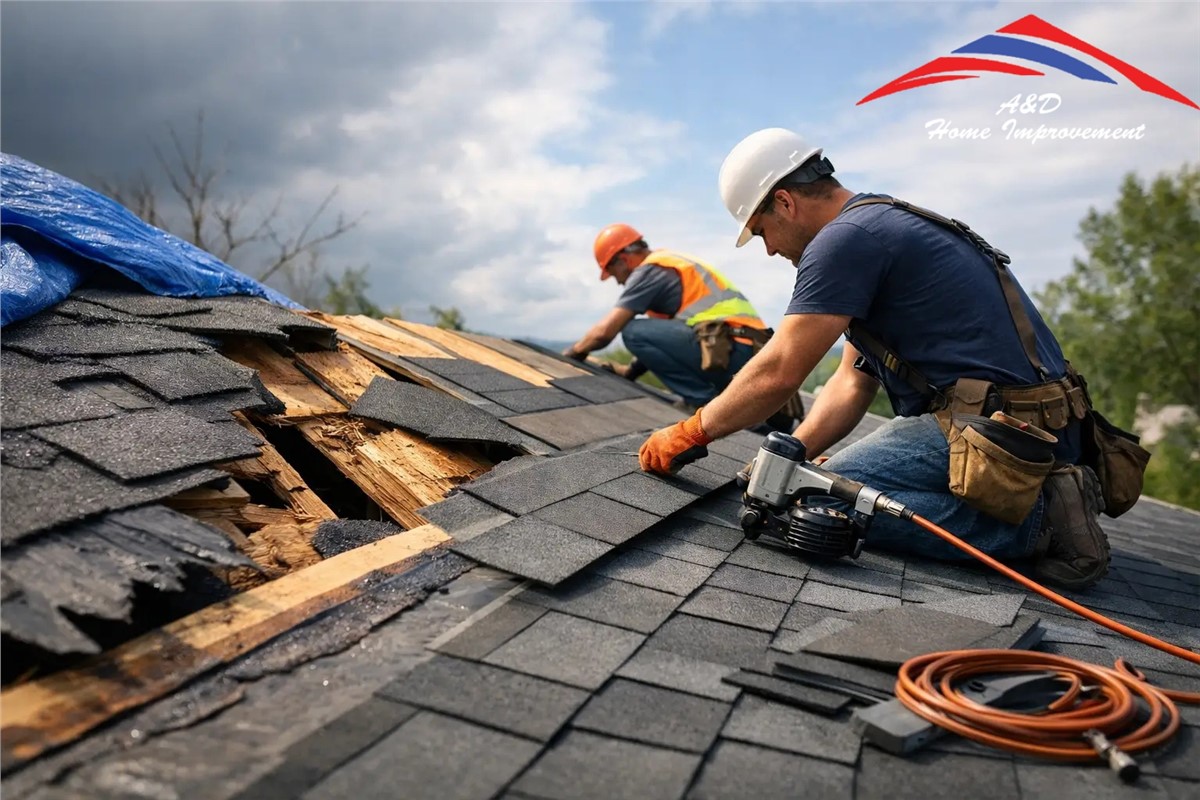
But an overlay is not always the smart move. If the existing roof holds moisture, has multiple failing layers, or hides substrate problems, covering it can postpone rather than solve the issue. Full tear-off costs more upfront, yet it gives the contractor a chance to inspect the deck, replace wet materials, and rebuild the system correctly.
Hidden conditions are where many budget changes happen. Once the old roof comes off, crews may find rusted metal decking, rotted wood components, failing curbs, or insulation that has been holding water for years. A dependable contractor prepares owners for that possibility before work starts instead of treating it like an unexpected sales opportunity.
Material choice and long-term value
The least expensive commercial roof is not always the lowest-cost roof over time. Material selection should match the building use, expected service life, and maintenance plan.
TPO remains a popular choice because it offers strong energy performance, heat-welded seams, and a competitive installed cost. EPDM may appeal to owners looking for a proven membrane with good flexibility in fluctuating temperatures. Modified bitumen can provide strong puncture resistance and layered protection, which may be valuable on roofs that see more foot traffic.
For some buildings, especially those with exposure to grease or harsh exhaust conditions, PVC may justify the added investment. If the roof supports expensive interior operations, sensitive inventory, or tenant spaces where leaks are costly, spending more on the right system can make financial sense.
Warranty terms matter here as well. Manufacturer-backed warranties often require specific attachment methods, insulation layouts, edge details, and certified installation standards. Those requirements can raise the project price, but they also add a layer of protection many commercial owners want.
Why insulation and drainage can change the price fast
Insulation is not just an add-on. It is a major part of a commercial roof system. If your building needs tapered insulation to move water toward drains, that alone can significantly affect cost. Still, poor drainage usually costs more in the long run through ponding water, membrane stress, and premature failure.
Code upgrades may also require higher insulation values than the existing roof has now. That means a replacement may include more material depth, more fastening, and more labor than a simple like-for-like swap.
Drainage improvements are often worth the investment. Adding or rebuilding drains, scuppers, crickets, or sump areas can help the new roof perform the way it should. On flat roofs, water management is not a detail. It is one of the main reasons the system succeeds or fails.
Labor, access, and building use
Commercial roofing labor is heavily influenced by logistics. A one-story building with open perimeter access is easier to manage than a busy retail center, occupied office property, or building with limited staging space. If crews need cranes, special safety setups, after-hours scheduling, or protection for daily operations, those costs get built into the proposal.
Occupied buildings often require more coordination. Tenants, customers, employees, and equipment all have to be protected during tear-off and installation. That may mean phased work, stricter cleanup, noise scheduling, or temporary weatherproofing measures. Good planning reduces risk, but it also adds labor time.
This is one reason experienced commercial roofers often provide more reliable pricing than general contractors or low-cost crews. They understand how operations, weather exposure, and roof details affect both the job and the final result.
How to compare estimates without getting burned
A low number is only useful if you know what it includes. When comparing commercial flat roof proposals, look closely at tear-off scope, substrate repairs, insulation type and thickness, membrane brand, flashing details, sheet metal work, warranty coverage, and cleanup. If one estimate is far below the others, there is usually a reason.
Ask whether the proposal includes deck replacement allowances or how unforeseen conditions will be handled. Clarify who is responsible for permits, code compliance, and disposal fees. Review the warranty length, but also ask what standards must be met to keep that warranty valid.
For property owners who want durability and fewer surprises, the better proposal is usually the one that is more detailed. Precision in estimating often reflects precision in execution.
Planning the budget the smart way
The best time to replace a commercial flat roof is before active leaks start damaging the interior. Emergency replacement almost always reduces your options and increases pressure on the budget. When owners plan ahead, they have more time to compare systems, phase related repairs, and line up financing if needed.
It also helps to think beyond the roof membrane alone. If rooftop penetrations, coping, gutters, fascia, or insulation need work, handling them as part of the same project can be more efficient than patching them separately later. A complete scope often costs more upfront, but it usually delivers better performance and fewer callbacks.
For commercial properties in the Chicago suburban market, local weather experience should carry real weight in your decision. A roof that looks good on paper still has to stand up to snow, wind, standing water, and seasonal temperature swings. That is where certified installation, manufacturer-approved systems, and a strong workmanship warranty matter.
A&D Home Improvement works with property owners who want that balance - clear pricing, dependable installation, and roofing systems built for long-term protection rather than short-term savings. If you are budgeting for replacement, the smartest next step is a thorough on-site evaluation that tells you what your roof actually needs, not just what a square-foot formula suggests.
A commercial roof is one of the few building systems that can either protect every investment underneath it or quietly put all of them at risk, so the right price is the one that holds up long after the invoice is paid.
Subscribe to A&D Home Improvement's Blog