How to Spot Hail Damage on Your Home
Start with the timing. If your property was in the path of a recent hailstorm, especially one with quarter-size hail or larger, there is already a reason to inspect. Age matters too. Older roofing materials, brittle siding, and worn sealants are more likely to show damage from a storm that a newer system might handle better.
Begin at ground level before climbing anything or getting too close to edges. Look at the soft metal components first. Gutters, downspouts, vents, flashing, and window trim often show dents sooner than shingles do. Those dents do not always mean the roof itself is damaged, but they are a strong clue that hail had enough force to impact the entire exterior.
Then check the areas around landscaping, decks, AC units, and mailboxes. Hail often leaves a pattern. If you see fresh pitting on metal surfaces or chipping on painted wood, your roof and siding deserve a closer look.
What hail damage looks like on asphalt shingles
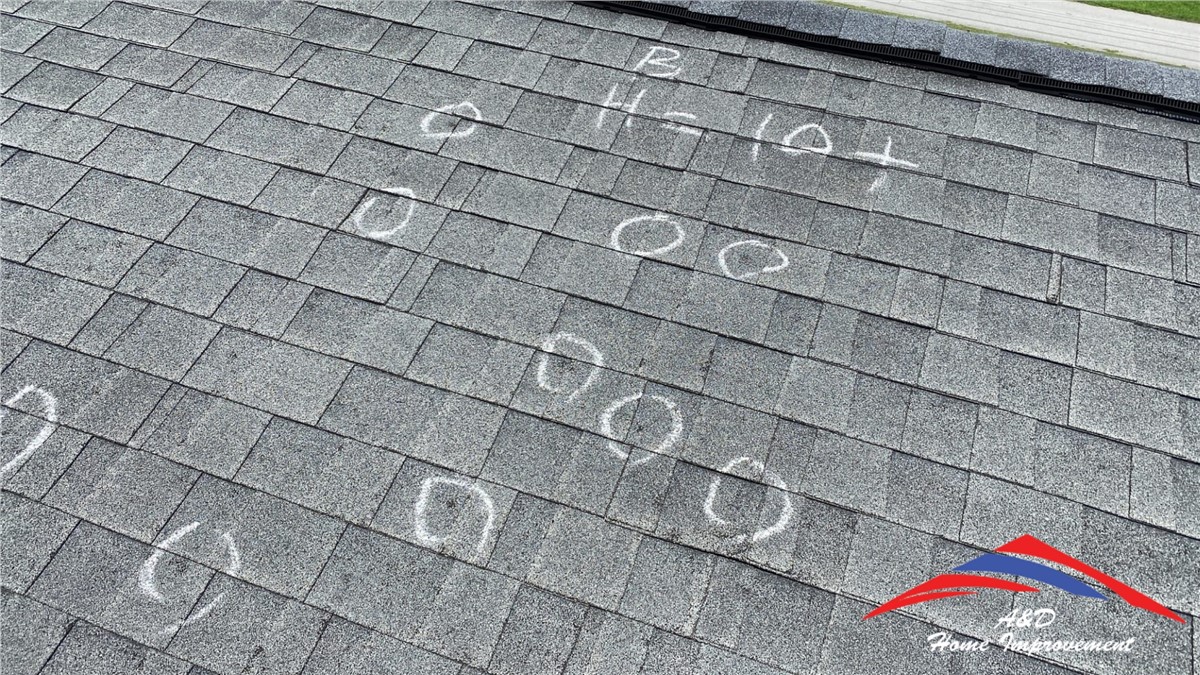
On asphalt shingles, hidden hail damage often appears as dark spots where protective granules have been knocked away. Those spots can look random, not neatly spaced. A true hail hit may also feel soft or bruised when inspected up close. That bruise is damage to the shingle mat underneath, and it can shorten the roof's service life even if the shingle is not torn through.
The challenge is that not every dark mark is hail damage. Blistering, foot traffic, manufacturing variation, and normal wear can create similar-looking changes. This is where homeowners can get tripped up. If you only look for holes or missing shingles, you may miss real storm impact. If you assume every mark is hail, you may overestimate the problem.
Check roof valleys, slopes facing the direction of the storm, and areas around vents and flashing. Hail does not always hit every section evenly. One side of the roof may show noticeable impact while another side shows very little.
Siding, windows, and gutters can tell the story
If the roof evidence is subtle, the rest of the exterior often helps confirm what happened. Vinyl siding may show cracks, chips, or small punctures after larger hail. Fiber cement and engineered wood products can show chipped paint or surface marks depending on the age and condition of the finish. Aluminum soffit, fascia, and gutters tend to show dents clearly.
Window screens are another useful checkpoint. Hail can tear or puncture screens even when the glass stays intact. Window bead, trim, and cladding may also show impact marks. On commercial properties, rooftop equipment housings, metal edge details, and HVAC fins can reveal the storm's severity.
The signs homeowners miss most often
Some of the most expensive hail-related repairs start with signs that seemed minor at the time. Granule loss is a good example. Homeowners may notice extra granules in the gutters after a storm and assume it is normal aging. Sometimes it is. Sometimes it is a sign that the roof took a direct hit and lost a layer of protection that helps block UV exposure and water intrusion.
Flashing damage is also easy to overlook. Hail can loosen flashing around chimneys, skylights, roof-to-wall transitions, and pipe penetrations. The metal may not split, but the seal can weaken. That creates a path for slow leaks that do not show up until the next heavy rain.
On siding, small cracks can expand with freeze-thaw cycles. In Illinois, that matters. A mark that looks cosmetic in summer can turn into moisture entry by winter. The same goes for gutter systems. A slight dent may not seem urgent, but if it affects pitch or water flow, drainage performance suffers and fascia or foundation issues can follow.
Interior clues after a hailstorm
If the exterior signs are hard to read, look inside. New ceiling spots, damp attic insulation, staining around vent pipes, and musty smells near upper walls can all point to storm-related damage. That does not always mean hail is the cause, but it does mean the roof system should be inspected.
Attics are especially useful because they can reveal active moisture before it reaches finished living space. Check for darkened wood, wet decking, or daylight around penetrations. Even small signs deserve attention after a severe storm.
When damage is cosmetic and when it is not
This is where professional judgment matters. Not every dent means a full replacement is needed, and not every roof bruise means the system will fail tomorrow. The real question is whether the hail affected the material's ability to shed water, resist weather, and last as intended.
Cosmetic damage may leave visible marks without creating immediate functional problems. Functional damage affects the roof, siding, gutter, or flashing performance. Insurance carriers often draw a distinction between the two, especially on metal surfaces. That can affect claim outcomes, repair options, and timing.
It also depends on the material. Architectural shingles, metal roofing, flat commercial membranes, vinyl siding, and fiber cement all react differently to hail. A surface mark on one product may be harmless, while a similar-looking impact on another may indicate deeper failure.
Why a professional inspection matters
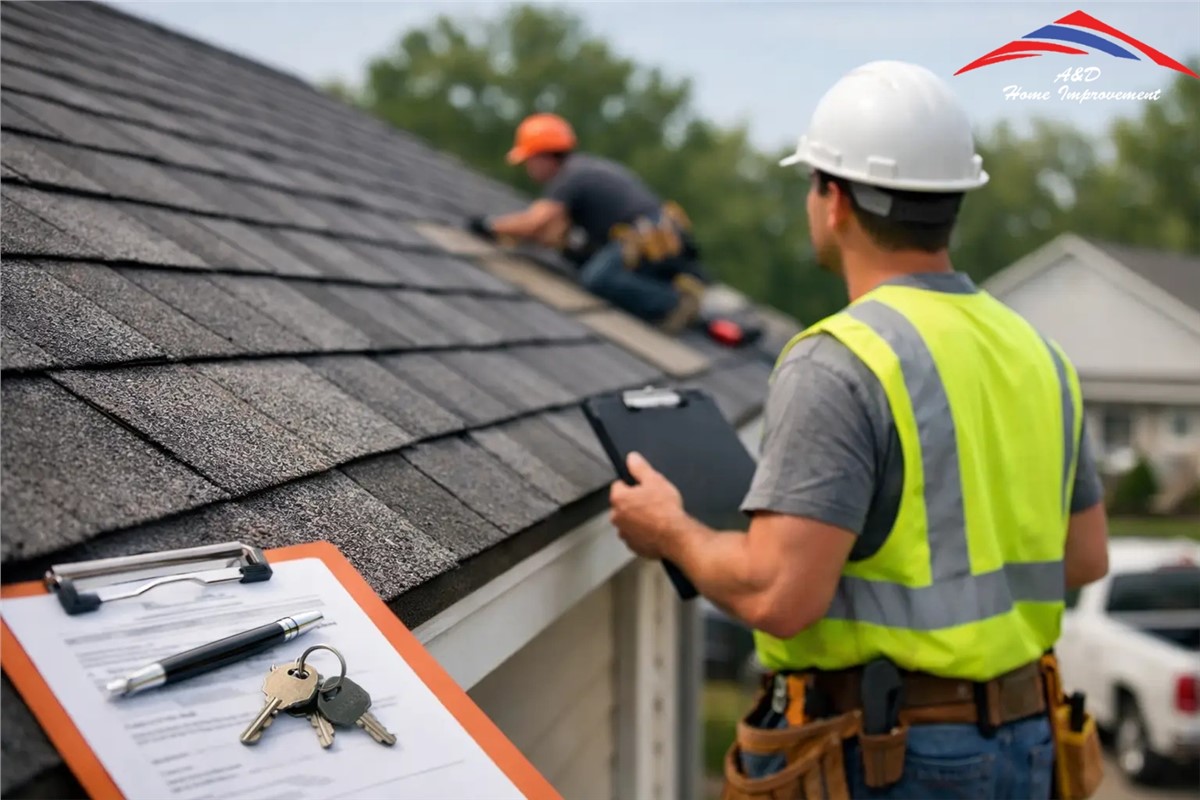
If you are trying to figure out how to spot hidden hail damage, the honest answer is that homeowners can identify warning signs, but they usually cannot confirm the full extent alone. A qualified exterior contractor knows how to separate hail impact from age, installation issues, and normal wear. That matters because the next step may involve repairs, replacement planning, or an insurance claim.
A strong inspection should include more than a quick glance at shingles. It should review roof slopes, soft metals, flashing, vents, gutters, siding, windows, and other exposed components. On commercial properties, that inspection should also account for membrane condition, rooftop penetrations, drainage details, and equipment exposure.
This is one reason many property owners in the Chicago area prefer working with a full-service exterior company rather than a storm chaser. Local experience matters. So do manufacturer certifications, documented inspection standards, and workmanship-backed repairs. A company like A&D Home Improvement can assess whether the issue is isolated, widespread, cosmetic, or functionally significant and help you move forward with confidence.
What to do after you find possible hail damage
Take clear photos from safe ground positions and note the date of the storm if you know it. Do not get on a steep or wet roof to investigate. Temporary fixes done the wrong way can create more damage and complicate claims.
Schedule an inspection sooner rather than later. Waiting can make it harder to connect damage to a specific storm, and delayed repairs can allow minor issues to become expensive ones. If damage is confirmed, ask for a clear explanation of what was found, what is urgent, and whether the issue is likely repairable or better addressed with replacement.
For homeowners and property managers, speed matters, but so does accuracy. The goal is not just to find damage. It is to protect the building envelope, preserve long-term value, and avoid surprises the next time severe weather hits.
A hailstorm does not need to leave obvious holes to create real problems. If something about your roof, siding, or gutters looks slightly off after a storm, trust that instinct and have it checked before a hidden issue turns into a visible one.
Subscribe to A&D Home Improvement's Blog