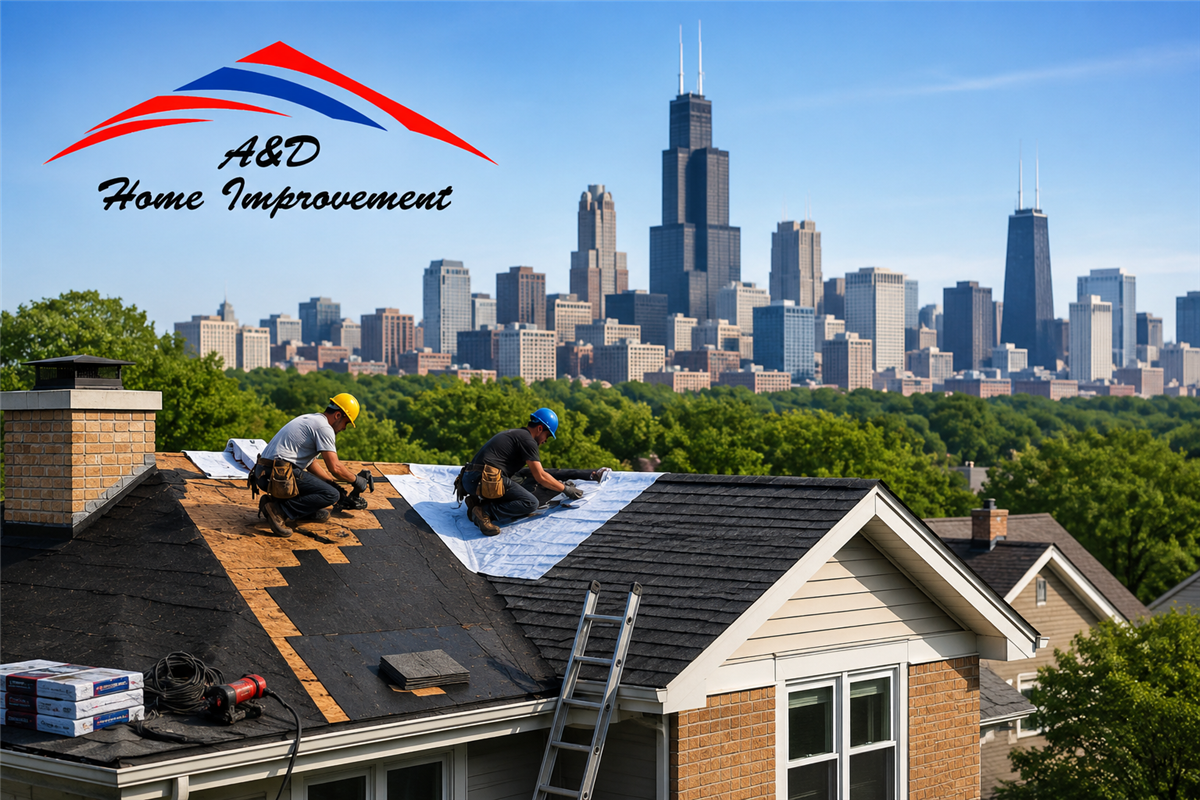
When roof replacement makes more sense than repair
Some roofing issues are isolated. A few damaged shingles after a wind event, a small section affected by flashing failure, or a minor leak around a roof penetration can often be repaired. The problem is that many roofs show symptoms in one place while the real wear is spread across the whole system.
If your roof is nearing the end of its expected life, repeated repairs can become a short-term patch on a long-term problem. Asphalt shingle roofs often start showing age through granule loss, curling, cracking, dark streaking, exposed nail heads, soft decking, and recurring leaks. On flat or low-slope commercial systems, ponding water, membrane separation, open seams, and repeated moisture intrusion are common red flags.
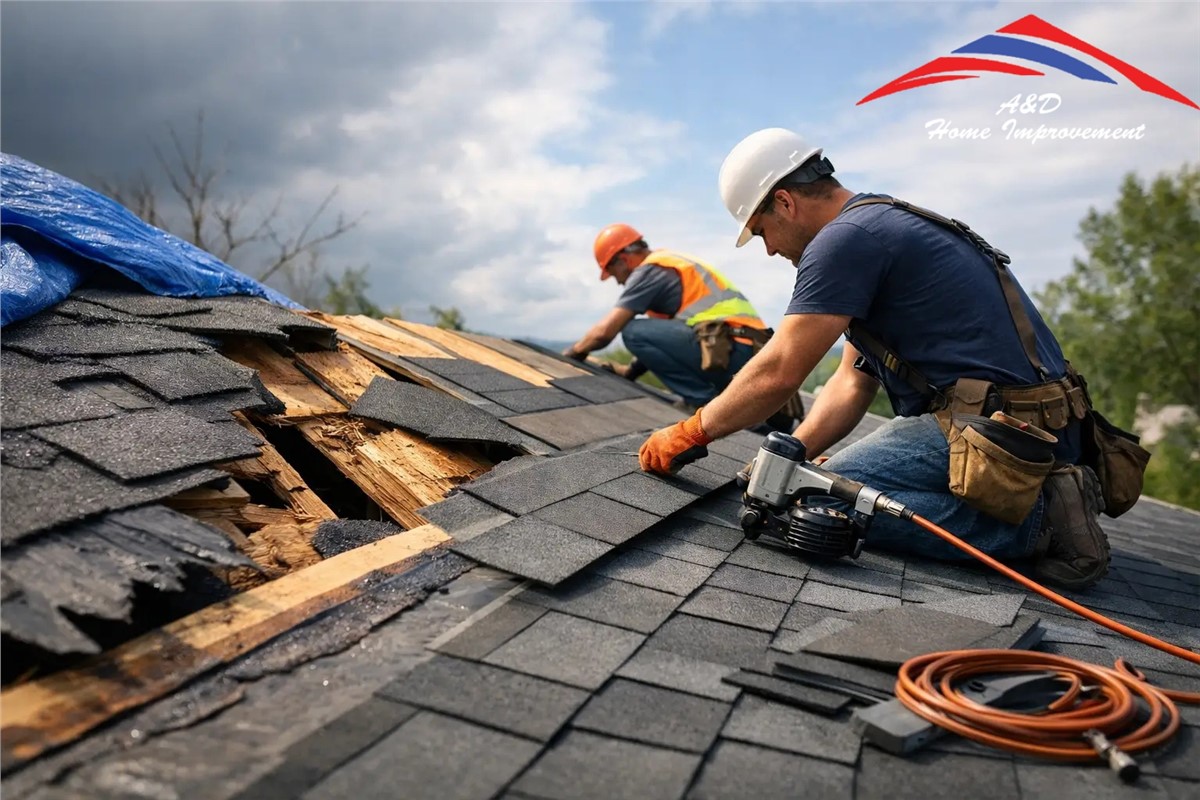
Storm damage changes the equation, too. Hail and wind can shorten a roof's remaining life even when the damage is not obvious from the ground. That is why a professional inspection matters. A good contractor is not just looking for visible surface damage. They are checking the integrity of the full system, including decking condition, attic ventilation, flashing, underlayment, and drainage performance.
Signs your roof replacement should not wait
There is a difference between a roof that is aging and a roof that is becoming a liability. If you are seeing interior water stains, frequent leaks, mold concerns in the attic, sagging roof lines, or shingles collecting in the yard after every storm, delaying action usually raises the final cost.
Energy efficiency can be another sign. Poor attic ventilation and failing roofing materials can trap heat and moisture, which puts strain on insulation, increases utility bills, and shortens the life of the roof from the inside out. Homeowners often focus on the shingles they can see, but roof replacement is often also a chance to correct ventilation issues that have been quietly damaging the system for years.
For commercial buildings, the warning signs may show up in operations before they show up on the roof. Ceiling stains, tenant complaints, inventory risk, and emergency maintenance calls all point to a system that may no longer be dependable. In that setting, replacement is often as much a business continuity decision as a construction one.
What a quality roof replacement includes
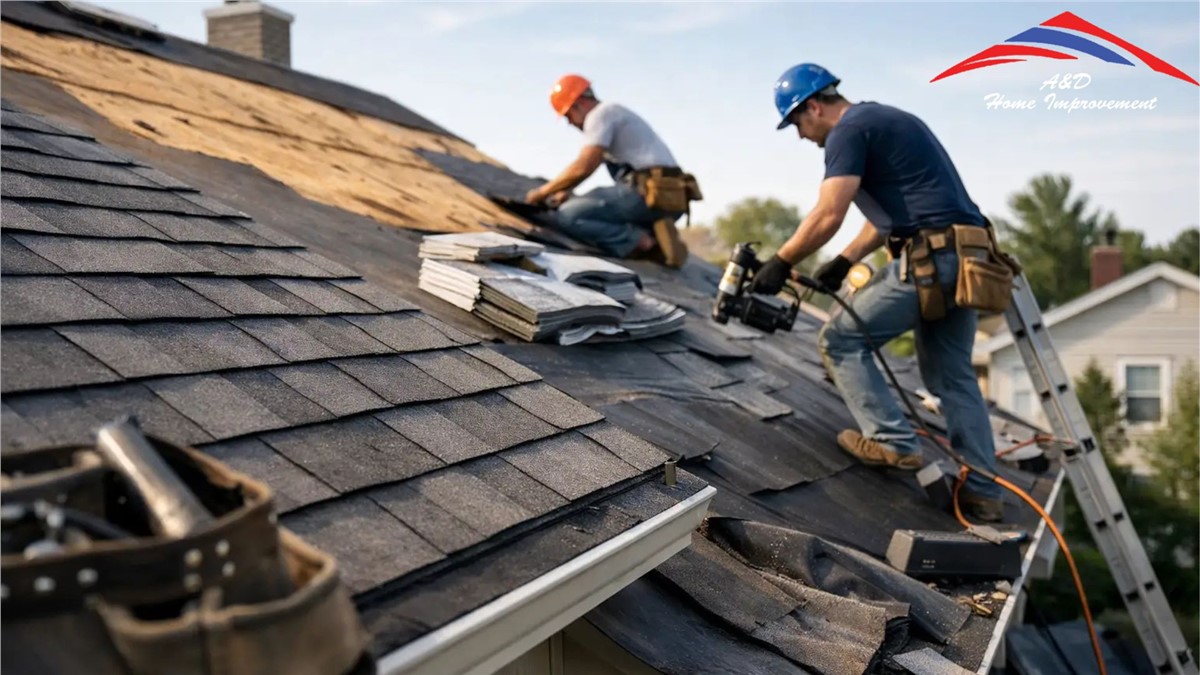
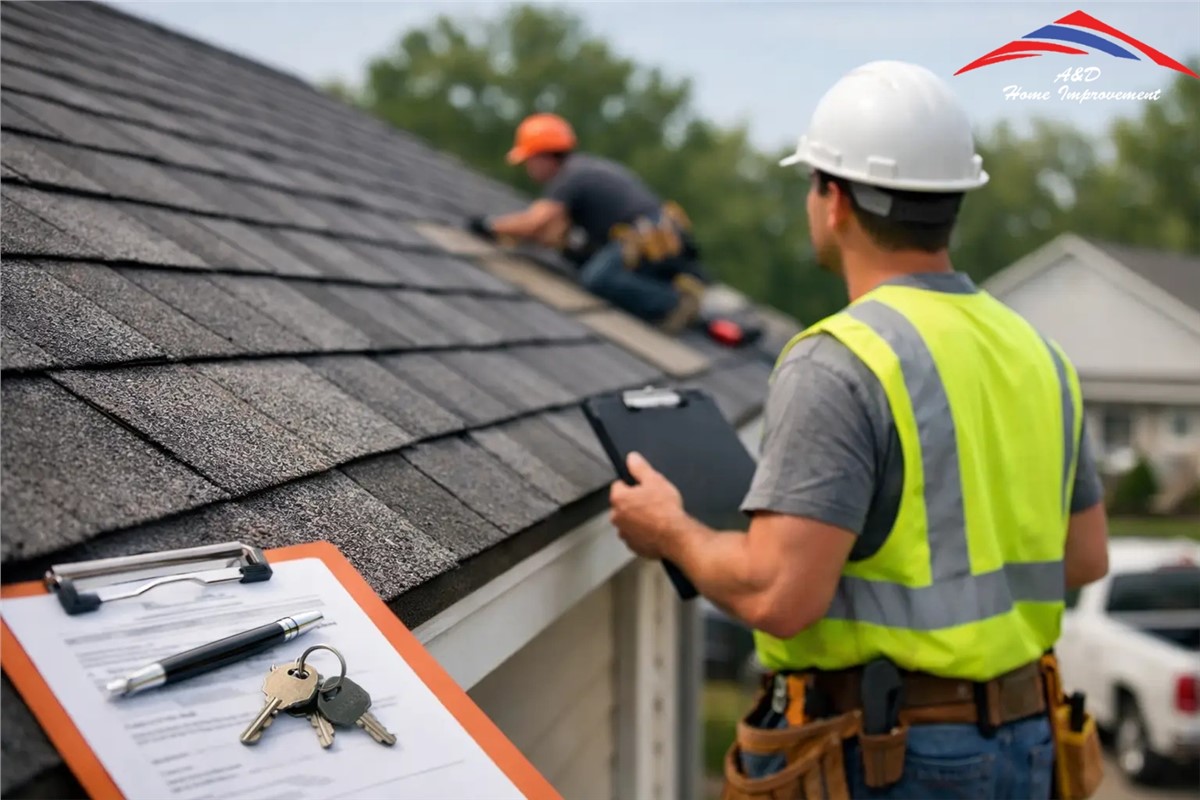
A dependable roof replacement is more than tearing off old shingles and installing new ones. It should start with a clear inspection and a scope of work that explains what is being replaced, what is being upgraded, and why.
That usually includes removal of old roofing materials, inspection of the roof deck, replacement of damaged decking as needed, installation of proper underlayment, ice and water protection in vulnerable areas, new flashing, drip edge, starter materials, field shingles or membrane, and ridge ventilation where appropriate. Gutters, soffits, fascia, and attic airflow may also need attention to make the whole system perform correctly.
This is where certification and product selection matter. Manufacturer-backed systems are designed to work together, and certified installation standards help protect both performance and warranty coverage. For homeowners planning to stay in the property, that can mean fewer repair calls, better weather resistance, and stronger long-term value. For owners preparing to sell, a properly documented replacement can also improve buyer confidence.
Roof replacement in Illinois is about system performance
Illinois weather is hard on exteriors. Freeze-thaw cycles can exploit small weaknesses. Wind can lift poorly sealed shingles. Ice dams can push water beneath roofing materials. Heavy rain can test valleys, flashing, and drainage all at once.
That is why the best roof replacement projects are designed for local conditions, not just general product specs. The goal is not simply to install a new roof. The goal is to install a roof that performs through the climate this region actually experiences.
That may affect material recommendations, ventilation strategy, underlayment choice, and edge protection. It may also shape whether it makes sense to replace gutters at the same time or improve attic insulation to reduce moisture and temperature imbalance. A trustworthy contractor should explain these trade-offs clearly instead of pushing a one-size-fits-all package.
Cost, financing, and long-term value
Price matters, but it should be viewed in context. The lowest bid is not always the lowest cost over the life of the roof. If a proposal leaves out ventilation corrections, uses lower-grade materials, skips critical accessories, or relies on weak workmanship standards, you may save upfront and pay more later.
A strong estimate should be detailed and easy to compare. It should explain materials, warranty terms, installation steps, cleanup, and any conditions that could affect final cost, such as hidden deck damage. That level of transparency is one of the clearest signs that you are dealing with a professional operation.
Financing can also make a better project more accessible. Many property owners would prefer to install a longer-lasting, higher-performing system now rather than settle for another temporary fix. When financing options are available, the decision becomes less about delay and more about choosing the right solution without unnecessary strain on cash flow.
Insurance claims and storm-related roof replacement
After a hail or wind event, many owners are unsure whether to call a roofer or their insurance carrier first. The best path usually starts with a professional inspection that documents storm-related damage accurately. That gives you a factual basis for the next step rather than guesswork.
Not every damaged roof will qualify for full replacement through insurance, and not every insurer evaluates claims the same way. Still, proper documentation, photos, measurements, and a contractor familiar with storm restoration can make the process far smoother. This is especially important when damage is widespread but subtle.
For homeowners in the Chicago suburbs, this is one area where local experience really matters. Storm patterns, building styles, and code requirements all affect the scope of work. A contractor that regularly handles insurance-supported restoration can help reduce confusion and keep the project moving.
Choosing the right roof replacement contractor
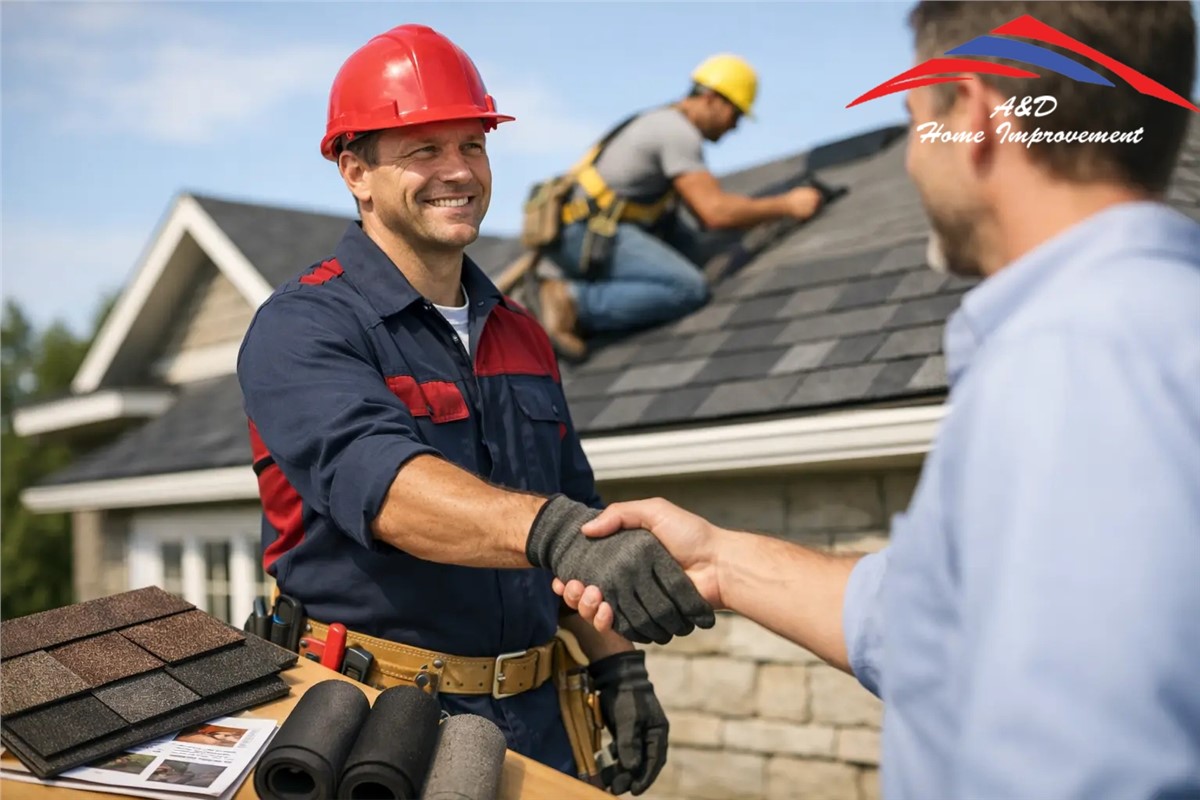
A new roof is a major investment, so the contractor matters as much as the product. Look for a company with strong local experience, manufacturer certifications, clear workmanship warranties, and a process that feels organized from the first inspection through final cleanup.
Reviews, project photos, and proof of completed work in your area are useful because they show consistency, not just marketing. It also helps to choose a contractor that can handle related exterior needs if the project reveals additional issues with gutters, insulation, or siding. That kind of full-service capability can save time and prevent gaps between trades.
A&D Home Improvement is one example of the type of contractor many local owners want to work with - established, certified, and focused on weather-resistant exterior systems built for Illinois conditions. The right partner should make the project feel clearer, not more complicated.
What to expect during the project
Most residential roof replacement projects move quickly once materials are on site and weather allows. Commercial schedules can vary more depending on system type, access, building use, and phasing requirements. In either case, communication is critical.
You should know when the crew will arrive, how the property will be protected, what cleanup measures are in place, and how final walkthroughs are handled. Professional crews plan for landscaping protection, magnetic nail cleanup, debris removal, and quality checks throughout the installation.
The best experience is not just about speed. It is about precision, accountability, and making sure the finished roof matches the proposal.
A roof does more than cover a building. It protects equity, comfort, operations, and peace of mind. If your current roof is showing its age or storm damage is raising doubts, this is the right time to get clear answers from a qualified local expert and move forward with confidence.
Tags
Subscribe to A&D Home Improvement's Blog